
Mchuzi wa Samaki
Mchuzi wa Samaki (m-CHOO-zee wah sah-MAH-kee)
Swahili Fish Curry
Fresh fish fillets simmered in a luscious coconut curry sauce spiced with turmeric, cumin, and tamarind, embodying the soul of Zanzibar cooking.
Nutrition & Info
Allergen Warnings
Equipment Needed
Presentation Guide
Instructions
-
1
Season fish fillets with salt, turmeric, and a squeeze of lemon, set aside for fifteen minutes.
-
2
Heat oil in a deep skillet, sauté onions until golden, then add garlic and ginger for two minutes.
-
3
Add tomatoes, cumin, and remaining turmeric, cook until tomatoes break down into a thick paste.
-
4
Pour in coconut milk and tamarind paste, stir well, and bring to a gentle simmer.
-
5
Nestle fish fillets into the sauce, cover, and cook for twelve minutes until fish flakes easily.
-
6
Garnish with fresh cilantro and serve over wali wa nazi.
Did You Know?
In Zanzibar, the best mchuzi wa samaki is said to come from the fishermen's wives who cook with fish still glistening from the morning catch.
Chef's Notes
Equipment Tips
- deep skillet
- wooden spoon
- cutting board
Garnishing
cilantro, lime wedges
Accompaniments
The Story Behind Mchuzi wa Samaki
Mchuzi wa samaki is the signature dish of Zanzibar and the Swahili coast, born from the marriage of abundant Indian Ocean seafood with the spice trade that made Zanzibar famous worldwide. Turmeric, cumin, and tamarind all arrived through Arab and Indian merchants who settled along the coast over a thousand years ago. This curry represents the essence of Swahili culinary identity, where African, Arab, Indian, and Persian influences merge into something entirely unique.
More Tanzanian Dishes
 Medium
📜 Story
Medium
📜 Story
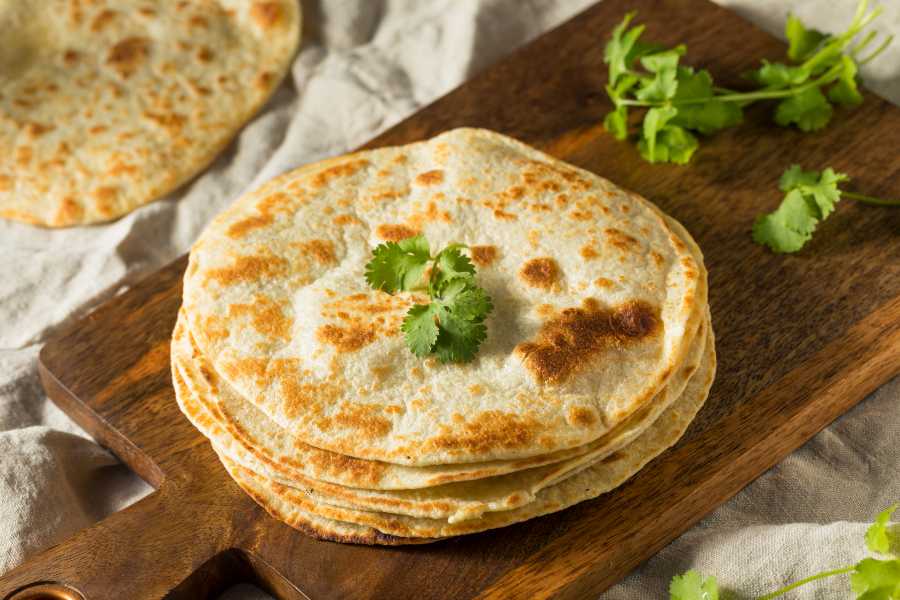
Chapati
Tanzanian Flatbread
Everyday meals, especially with stews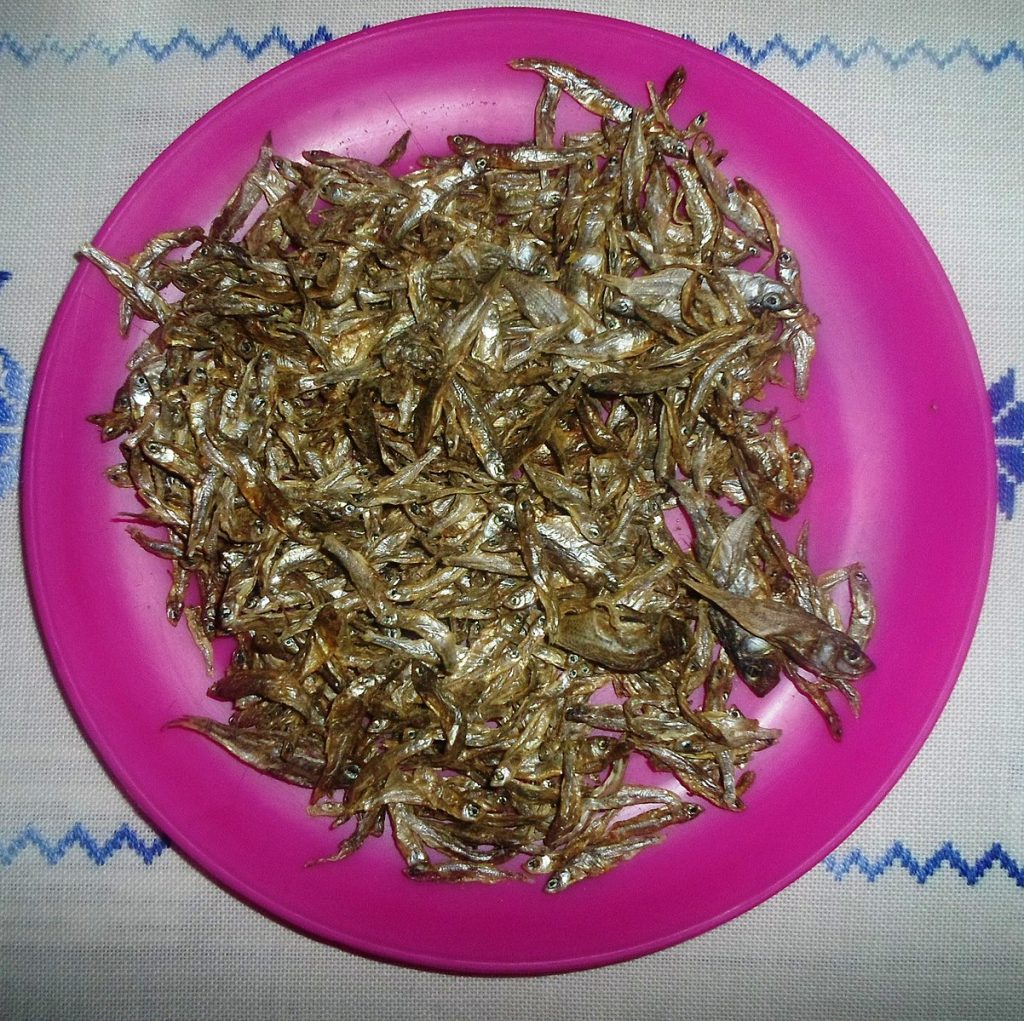 Easy
📜 Story
Easy
📜 Story
Dagaa wa Kukaanga
Fried Silver Sardines
Everyday meals, especially around Lake Victoria Easy
📜 Story
Easy
📜 Story
Kachumbari
Fresh Tomato Onion Salad
Accompaniment to any meal Easy
📜 Story
Easy
📜 Story
Kashata
Coconut Peanut Brittle
Snack and after meals
Comments (0)
Log in to leave a comment.
No comments yet. Be the first to share your thoughts!