
Mchuzi wa Kuku
Mchuzi wa Kuku (m-CHOO-zee wah KOO-koo)
Tanzanian Chicken Curry
Bone-in chicken pieces braised in a fragrant tomato and coconut sauce with ginger, garlic, and curry spices until fall-off-the-bone tender.
Nutrition & Info
Allergen Warnings
Equipment Needed
Presentation Guide
Instructions
-
1
Season chicken pieces generously with salt, pepper, and turmeric, set aside.
-
2
Heat oil in a heavy pot, brown chicken pieces on all sides for eight minutes, remove and set aside.
-
3
In the same pot, sauté onions until golden, add garlic, ginger, and curry powder.
-
4
Add blended tomatoes and cook for ten minutes until the sauce thickens and oil separates.
-
5
Return chicken to pot, pour in coconut milk, cover, and simmer for thirty minutes.
-
6
The chicken should be tender and the sauce thick and rich. Garnish with cilantro.
Did You Know?
In Tanzania, mchuzi wa kuku is the dish that signals a special guest has arrived, as chicken is reserved for honored visitors.
Chef's Notes
Equipment Tips
- large heavy pot
- wooden spoon
- cutting board
Garnishing
cilantro, sliced chili
Accompaniments
The Story Behind Mchuzi wa Kuku
Mchuzi wa kuku holds a place of honor in Tanzanian cuisine as the dish prepared for important guests and celebrations. In a country where chicken was historically more expensive than other proteins, serving this coconut chicken curry communicated respect and generosity. The dish blends Swahili coconut cooking techniques with Indian curry spices, creating a flavor profile unique to the Tanzanian coast that has now spread to every corner of the country.
More Tanzanian Dishes
 Medium
📜 Story
Medium
📜 Story
Chapati
Tanzanian Flatbread
Everyday meals, especially with stews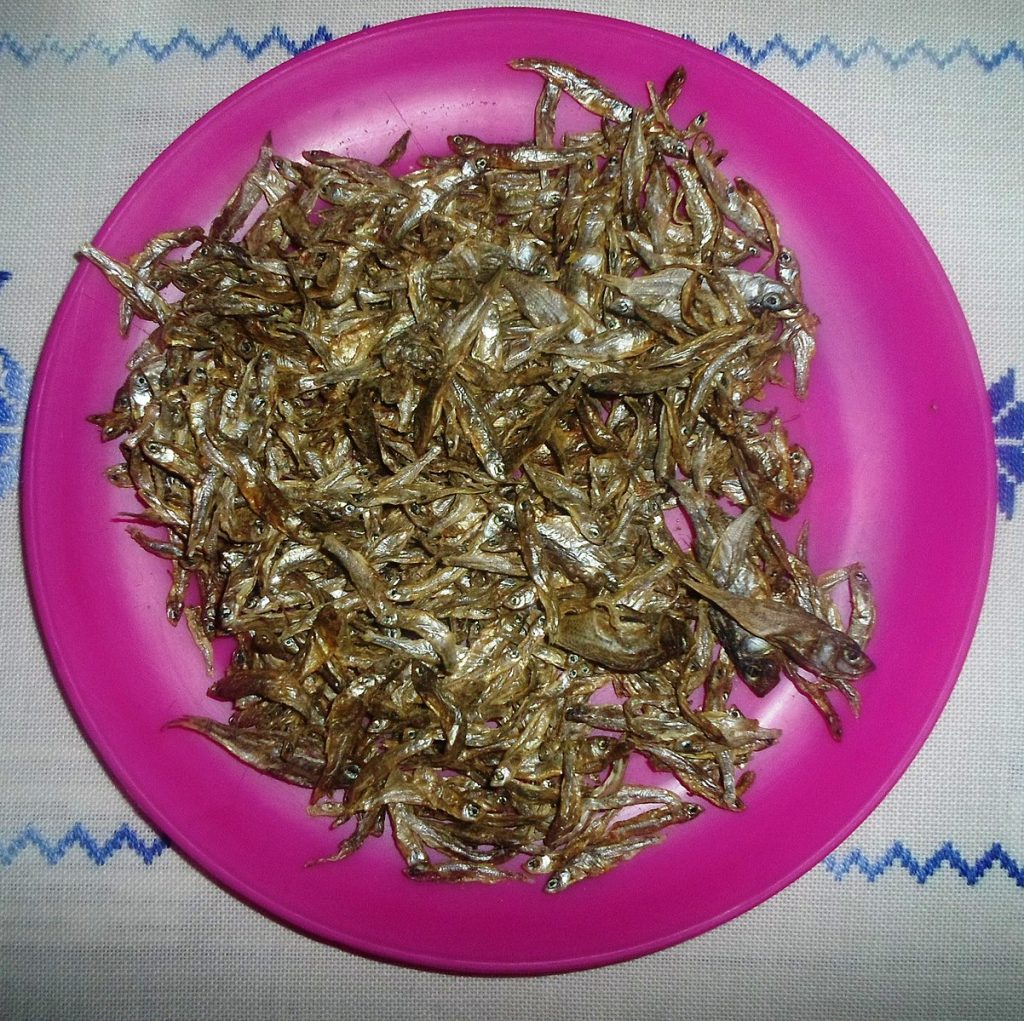 Easy
📜 Story
Easy
📜 Story
Dagaa wa Kukaanga
Fried Silver Sardines
Everyday meals, especially around Lake Victoria Easy
📜 Story
Easy
📜 Story
Kachumbari
Fresh Tomato Onion Salad
Accompaniment to any meal Easy
📜 Story
Easy
📜 Story
Kashata
Coconut Peanut Brittle
Snack and after meals
Comments (0)
Log in to leave a comment.
No comments yet. Be the first to share your thoughts!