
Maharage ya Nazi
Maharage ya Nazi (mah-hah-RAH-geh yah NAH-zee)
Coconut Bean Stew
Creamy red kidney beans simmered in spiced coconut milk with onions, tomatoes, and a touch of curry powder, a hearty Swahili vegetarian staple.
Nutrition & Info
Allergen Warnings
Equipment Needed
Presentation Guide
Instructions
-
1
Boil soaked beans in fresh water for forty-five minutes until tender but not mushy, then drain.
-
2
Heat oil in a heavy pot, sauté onions until softened, add garlic, curry powder, and turmeric.
-
3
Add tomatoes and cook for five minutes until they break down into a sauce.
-
4
Pour in coconut milk, add cooked beans, and stir to combine everything evenly.
-
5
Simmer for fifteen minutes on low heat until the sauce thickens and coats the beans.
-
6
Garnish with cilantro and serve with wali wa nazi or ugali.
Did You Know?
Maharage ya nazi is so central to coastal Tanzanian life that it is often the first dish a young bride learns to cook for her new household.
Chef's Notes
Equipment Tips
- heavy pot
- wooden spoon
- cutting board
Garnishing
cilantro, coconut cream drizzle
Accompaniments
The Story Behind Maharage ya Nazi
Maharage ya nazi is the everyday sustenance of Tanzania's Swahili coast, combining New World kidney beans with the ancient coconut milk tradition of the Indian Ocean littoral. This dish demonstrates how Tanzanian cuisine absorbed ingredients from global trade while maintaining its own identity. The creamy coconut sauce transforms humble beans into something luxurious, providing affordable protein to millions of coastal families every day.
More Tanzanian Dishes
 Medium
📜 Story
Medium
📜 Story
Chapati
Tanzanian Flatbread
Everyday meals, especially with stews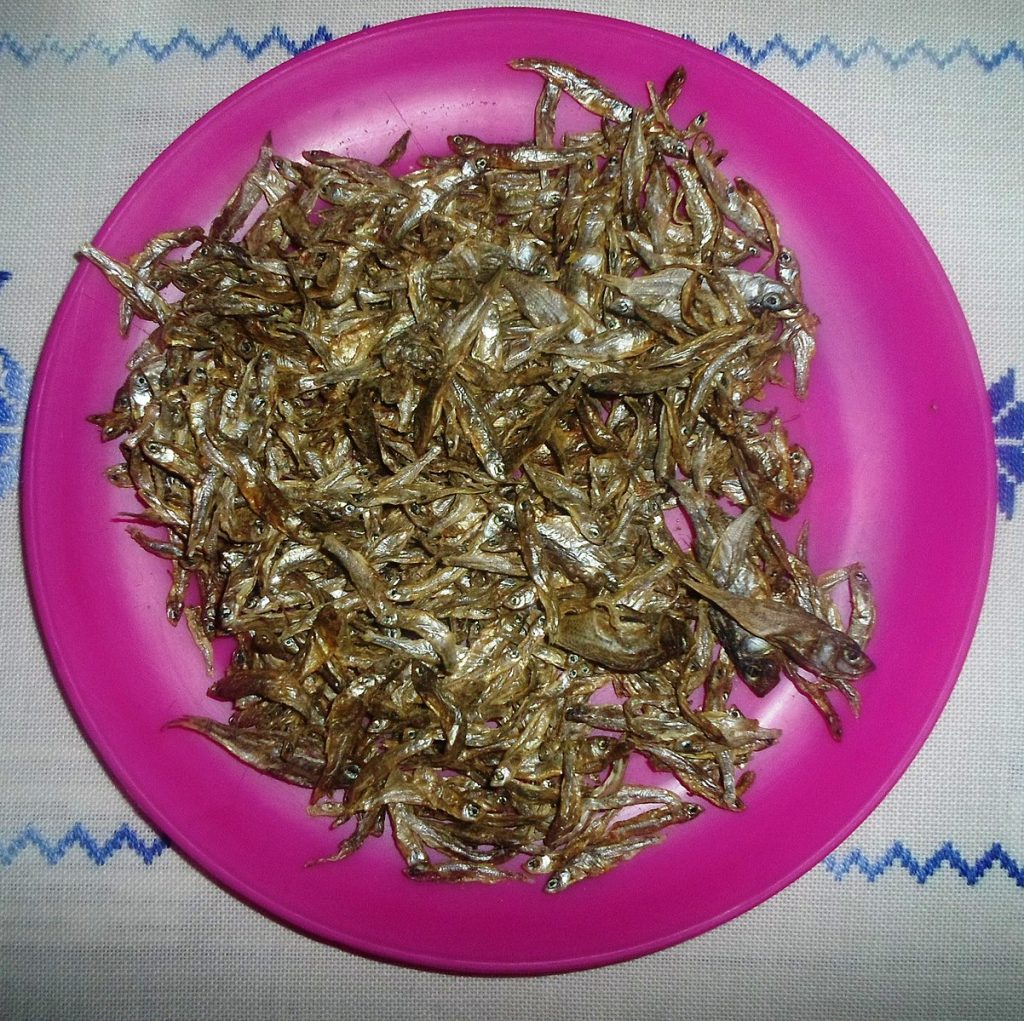 Easy
📜 Story
Easy
📜 Story
Dagaa wa Kukaanga
Fried Silver Sardines
Everyday meals, especially around Lake Victoria Easy
📜 Story
Easy
📜 Story
Kachumbari
Fresh Tomato Onion Salad
Accompaniment to any meal Easy
📜 Story
Easy
📜 Story
Kashata
Coconut Peanut Brittle
Snack and after meals
Comments (0)
Log in to leave a comment.
No comments yet. Be the first to share your thoughts!