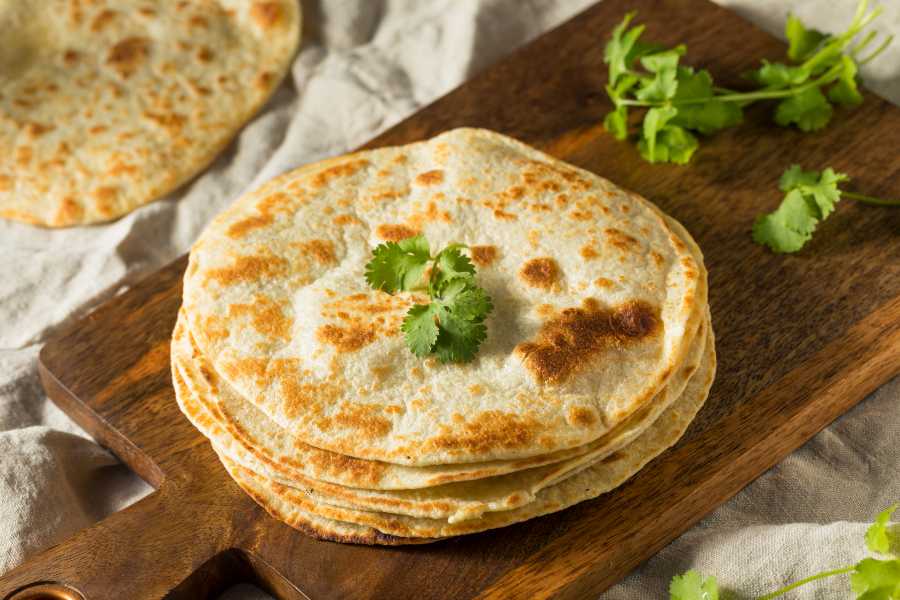
Flaky, layered flatbread made by rolling and coiling dough with oil, then pan-frying until golden and crispy on the outside with soft, buttery layers within.
Nutrition & Info
Allergen Warnings
Equipment Needed
Presentation Guide
Instructions
-
1
Mix flour and salt, add warm water gradually, and knead for ten minutes until smooth and elastic.
-
2
Rest dough covered for thirty minutes to allow gluten to relax.
-
3
Divide into six balls, roll each into a thin circle, brush with oil, then roll into a coil and flatten again.
-
4
Heat a dry skillet over medium heat, place chapati on it, and cook for two minutes per side.
-
5
Brush with a little oil while cooking, pressing edges to ensure even browning.
-
6
Stack cooked chapatis wrapped in a cloth to keep them warm and soft.
Did You Know?
Tanzanian chapati is distinctly flakier than its Indian ancestor because of the coiling technique that creates multiple buttery layers.
Chef's Notes
Equipment Tips
- flat skillet
- rolling pin
- mixing bowl
Garnishing
none
Accompaniments
The Story Behind Chapati
Chapati came to Tanzania with Indian laborers and merchants during the nineteenth century and was quickly adopted into Swahili cuisine. Tanzanians developed their own coiling technique that creates distinctively flaky layers, differentiating it from the Indian original. Today chapati is considered thoroughly Tanzanian, served with everything from bean stews to curries, and no celebration meal is complete without a towering stack of fresh chapatis.
More Tanzanian Dishes
 Easy
📜 Story
Easy
📜 Story
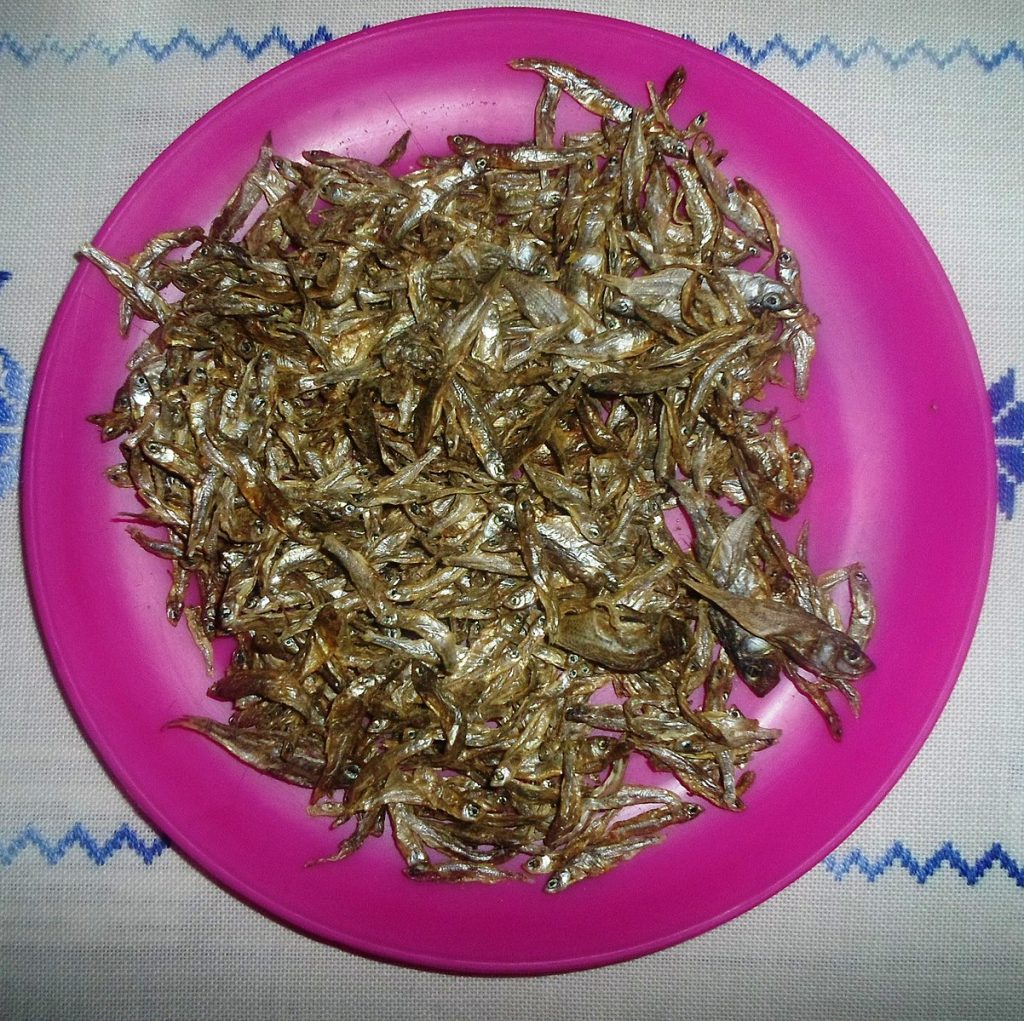
Dagaa wa Kukaanga
Fried Silver Sardines
Everyday meals, especially around Lake Victoria Easy
📜 Story
Easy
📜 Story
Kachumbari
Fresh Tomato Onion Salad
Accompaniment to any meal Easy
📜 Story
Easy
📜 Story
Kashata
Coconut Peanut Brittle
Snack and after meals Easy
📜 Story
Easy
📜 Story
Maharage ya Nazi
Coconut Bean Stew
Everyday lunch and dinner
Comments (0)
Log in to leave a comment.
No comments yet. Be the first to share your thoughts!