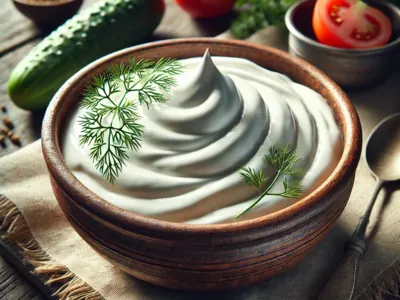
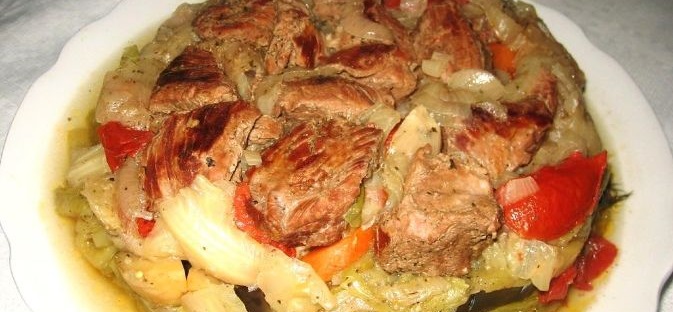
Torn flatbread soaked in a tangy yogurt and onion sauce, topped with fresh herbs and vegetables. Tajikistan's beloved national dish.
Nutrition & Info
Allergen Warnings
Equipment Needed
Presentation Guide
Vessel: large communal bowl (tabak)
Garnishes: fresh herbs, sliced onions
Accompaniments: fresh tomatoes, cucumbers
Instructions
-
1
If using qurut, place the dried yoghurt balls in a bowl and cover with one cup of warm water. Let them soak for twenty to thirty minutes, breaking them apart with a fork occasionally until they dissolve into a smooth, salty, tangy sauce.
-
2
Heat the vegetable oil in a skillet over medium heat. Add the sliced onion rings and fry slowly for ten to twelve minutes, stirring occasionally, until they turn a deep golden brown and become crispy at the edges. Reserve the fragrant oil.
-
3
Tear the fatir flatbread into rough bite-sized pieces and spread them across the bottom of a large, wide serving bowl or traditional wooden dish called a tabaq, creating an even layer of bread pieces.
-
4
Pour the dissolved qurut sauce or thinned yoghurt evenly over the torn bread, ensuring every piece is moistened. The bread should soften slightly from the liquid but still retain some texture and chew rather than becoming completely soggy.
-
5
Scatter the fried onions over the soaked bread, then drizzle the hot fragrant frying oil over the entire surface. This step is essential as the sizzling oil hitting the cool yoghurt creates the distinctive flavour of authentic qurutob.
-
6
Arrange the tomato wedges, diced cucumber, and a generous shower of fresh cilantro, dill, and torn basil leaves over the top. The raw vegetables provide freshness and crunch to contrast the rich, tangy bread and yoghurt base.
-
7
Serve the qurutob immediately at room temperature in the centre of the table. Diners traditionally gather around the single communal bowl and eat directly from it using their right hands, mixing the layers together as they go.
Did You Know?
Qurutob is traditionally eaten communally from a shared platter, reflecting Tajik hospitality.
Chef's Notes
Equipment Tips
- large bowl
- bread knife
- mixing spoon
Garnishing
fresh herbs, sliced onions
Accompaniments
fresh tomatoes, cucumbers
The Story Behind Qurutob
The Story: Qurutob is a distinctive Tajik dish of torn flatbread (fatir) soaked in a sauce of dissolved qurut (dried yogurt balls), topped with a salad of onions, tomatoes, cucumbers, fresh herbs, and a generous drizzle of oil. The dish is a masterpiece of frugal mountain cooking, combining stale bread with preserved dairy and fresh vegetables into a satisfying meal that requires minimal cooking. Qurut, the dried yogurt balls that give the dish its name, are an ancient Central Asian preservation technique that allowed dairy to be stored for months without refrigeration in the mountain climate.
On the Calendar: Qurutob is a summer dish, when fresh tomatoes, cucumbers, and herbs are abundant. It is everyday food in Tajik households and restaurants, particularly popular for lunch during warm weather. It also appears at celebrations and gatherings as a communal dish.
Then and Now: Qurutob has experienced a cultural revival in independent Tajikistan, embraced as a symbol of national identity distinct from Uzbek or Russian culinary influence. Qurutob restaurants specializing in the dish have proliferated in Dushanbe, serving it as a proud expression of Tajik heritage.
Legacy: Qurutob is the taste of Tajik independence, a humble dish of bread, yogurt, and vegetables elevated to national symbol, proving that a country's soul food need not be elaborate to be profound.


Comments (0)
Log in to leave a comment.
No comments yet. Be the first to share your thoughts!