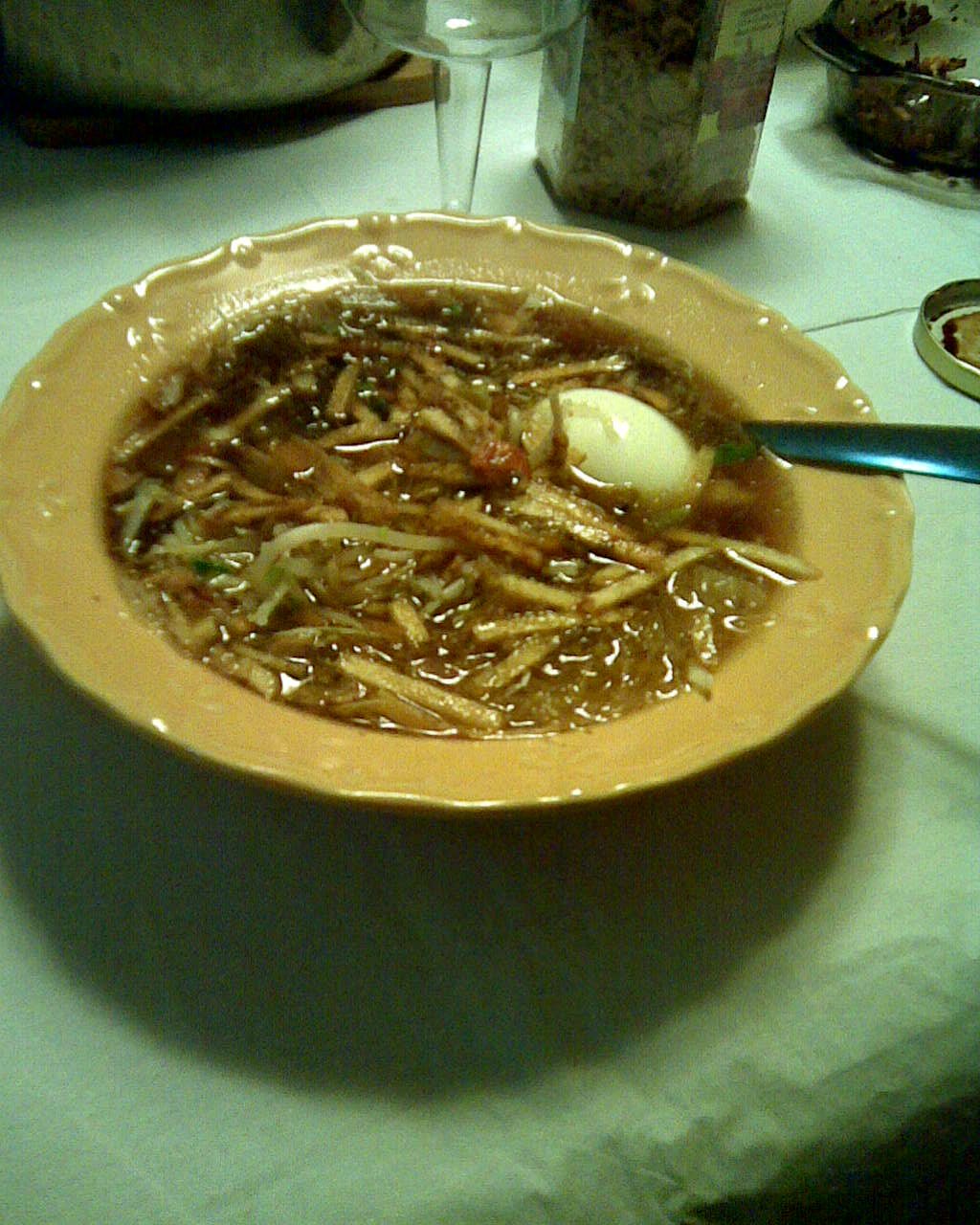
A thick, earthy Surinamese soup made from taro leaves slow-cooked with salted beef, smoked chicken, okra, and hot pepper into a rich green broth.
Nutrition & Info
Equipment Needed
Presentation Guide
Instructions
-
1
Boil soaked salted beef until tender, about one hour. Cut into bite-sized pieces and reserve the cooking liquid.
-
2
Heat oil and saute onions and garlic. Add chopped taro leaves and stir until wilted, about five minutes.
-
3
Add smoked chicken, beef, okra, whole pepper, thyme, and cooking liquid. Bring to a boil.
-
4
Reduce heat and simmer forty-five minutes until taro leaves are completely soft and the soup is thick and green.
-
5
Season with lime juice, salt, and pepper. The soup should be thick and hearty, almost stew-like in consistency.
Did You Know?
Tayer blad soep is often called the Surinamese version of callaloo, connecting it to the broader Caribbean and West African tradition of leafy green soups.
Chef's Notes
Equipment Tips
- large stockpot
- wooden spoon
- blender optional
Garnishing
lime wedge, hot pepper
Accompaniments
white rice, fried plantain
The Story Behind Tayer Blad Soep
Tayer blad soep connects directly to the West African tradition of cooking leafy greens into thick, protein-rich soups. Enslaved Africans in Suriname used locally available taro leaves as a substitute for the greens they knew from home, combining them with the preserved meats available on plantations. The dish survived abolition and urbanization to remain a beloved part of Creole Surinamese cuisine, a direct culinary link to West African heritage.
More Surinamese Dishes
 Easy
📜 Story
Easy
📜 Story
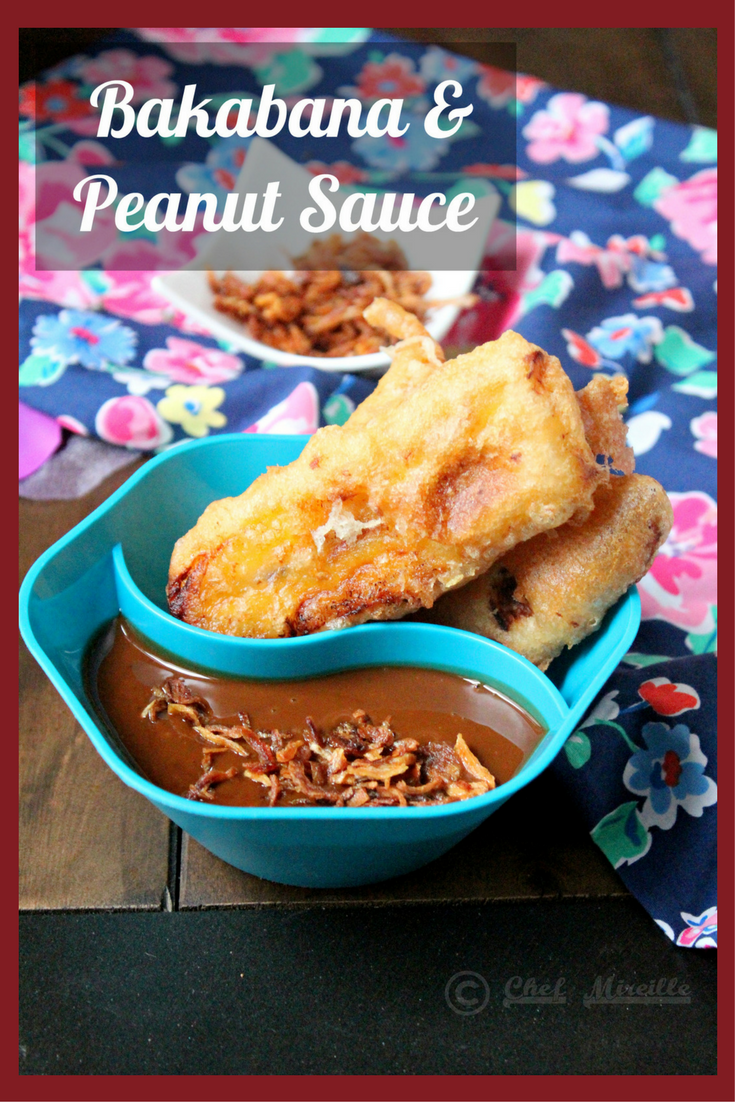
Bakabana
Fried Plantain with Peanut Sauce
Afternoon snack or side dish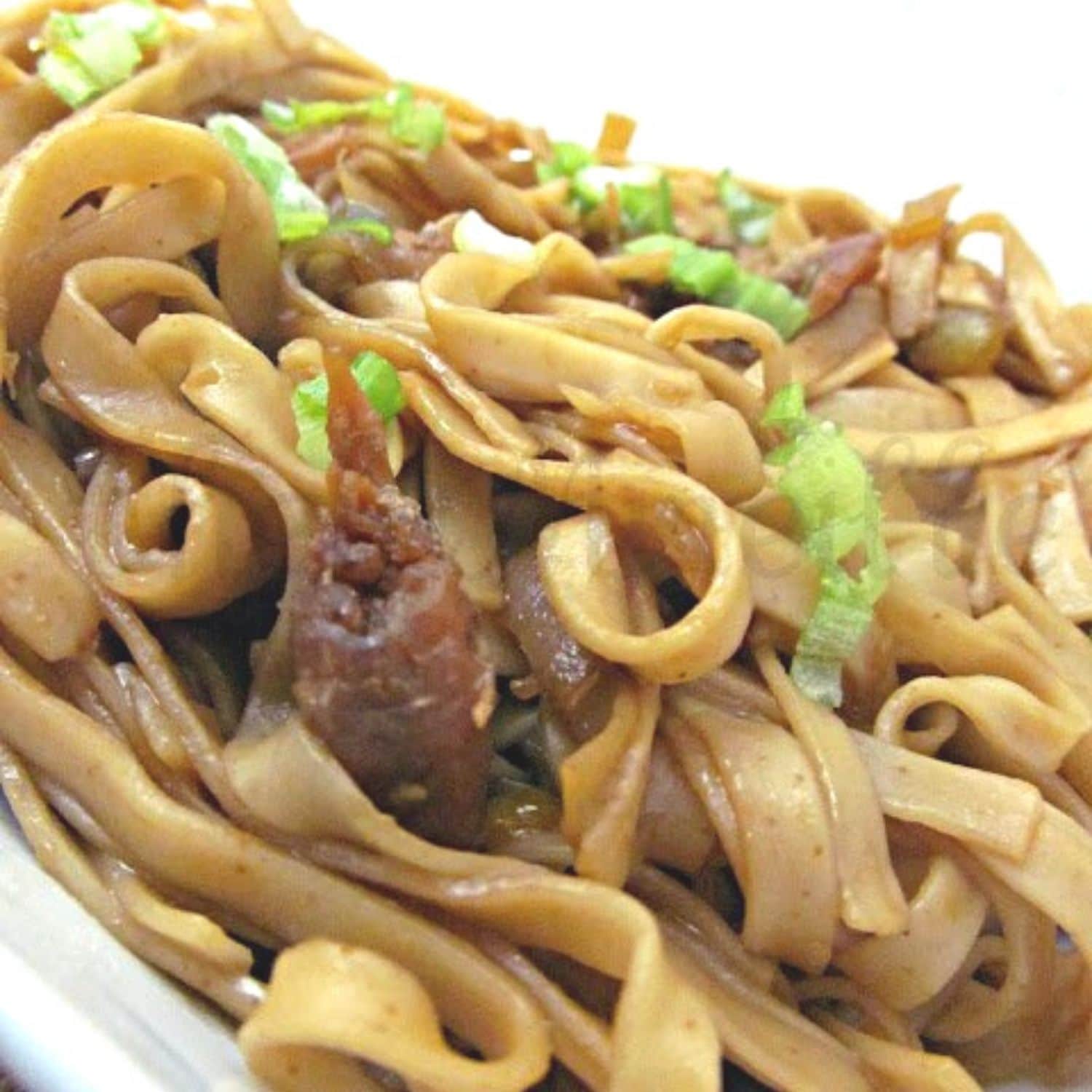 Easy
📜 Story
Easy
📜 Story
Bami
Surinamese Stir-Fried Noodles
Lunch or dinner Easy
📜 Story
Easy
📜 Story
Bara
Fried Split Pea Fritters
Snack, breakfast, or with roti meals Medium
📜 Story
Medium
📜 Story
Bojo
Cassava Coconut Cake
Celebrations, birthdays, Christmas
Comments (0)
Log in to leave a comment.
No comments yet. Be the first to share your thoughts!