
Thin flatbread served with a rich, spiced curry of chicken, potatoes, and long beans. Suriname's most beloved everyday meal.
Nutrition & Info
Allergen Warnings
Equipment Needed
Presentation Guide
Vessel: large plate with roti draped over curry
Garnishes: sliced hard-boiled egg
Accompaniments: chicken curry, potatoes, long beans
Instructions
-
1
Combine the flour, salt, and oil in a large bowl. Gradually add warm water while mixing until a soft, pliable dough forms. Knead for five minutes until smooth, then cover with a damp cloth and rest for thirty minutes.
-
2
Divide the dough into eight equal portions and roll each into a smooth ball. On a lightly floured surface, roll each ball into a thin circular disc about twenty centimetres in diameter, brushing with a thin layer of oil.
-
3
Heat a dry tawa or flat pan over medium heat. Cook each roti for about ninety seconds per side until golden spots appear and the bread puffs slightly. Stack the cooked roti and wrap in a clean towel to keep them soft and warm.
-
4
For the curry, heat the vegetable oil in a large heavy pot over medium-high heat. Add the diced onion and cook for three minutes, then add the garlic and sauté until fragrant. Add the chicken pieces and brown on all sides.
-
5
Sprinkle the masala powder and ground cumin over the chicken, stirring for two minutes to toast the spices. Add the chopped tomatoes, crumbled stock cubes, and enough water to cover the chicken. Bring to a boil.
-
6
Reduce heat to medium-low, add the quartered potatoes, and simmer for twenty-five minutes with the lid partially on. The chicken should become tender and the potatoes soft enough to break apart when pressed with a spoon.
-
7
Add the long bean pieces during the last ten minutes of cooking, stirring them into the curry. The sauce should reduce to a thick, richly spiced gravy that clings to the chicken and vegetables.
-
8
Serve by placing a roti on each plate and tearing it open. Spoon the chicken curry with potatoes and long beans generously onto the roti, then fold the bread around the filling and eat with your hands.
Did You Know?
Surinamese roti differs from Indian roti — it is flakier and always served with a specific potato-heavy curry.
Chef's Notes
Equipment Tips
- tawa or skillet
- large pot
- rolling pin
Garnishing
sliced hard-boiled egg
Accompaniments
chicken curry, potatoes, long beans
The Story Behind Roti
The Story: Surinamese roti is a complete meal of soft, flaky flatbread served with a rich curry of chicken, potatoes, and hard-boiled eggs, accompanied by long beans, shredded cabbage, and a fiery sambal. The dish was brought by Hindustani (Indian) indentured laborers who arrived in Suriname between 1873 and 1916, carrying the bread-making and curry traditions of Bihar and eastern Uttar Pradesh. Over generations, Surinamese roti evolved into something distinct from its South Asian ancestor: the bread became softer and larger, the curry sweeter and milder, and the accompaniments standardized into the combination that defines the dish today.
On the Calendar: Roti is everyday food, available from dedicated roti shops throughout Suriname and the Surinamese diaspora. It is also a celebration food, prepared for birthday parties, holidays, and community gatherings.
Then and Now: Surinamese roti has become the country's most globally recognized dish, largely through the Surinamese community in the Netherlands, where roti shops are ubiquitous. The dish has crossed all ethnic boundaries within Suriname, beloved by Javanese, Creole, Chinese, and Maroon communities alike.
Legacy: Surinamese roti is the story of Indian diaspora cooking at its most creative, a dish that crossed two oceans and became the shared comfort food of an entire nation.
More Surinamese Dishes
 Easy
📜 Story
Easy
📜 Story
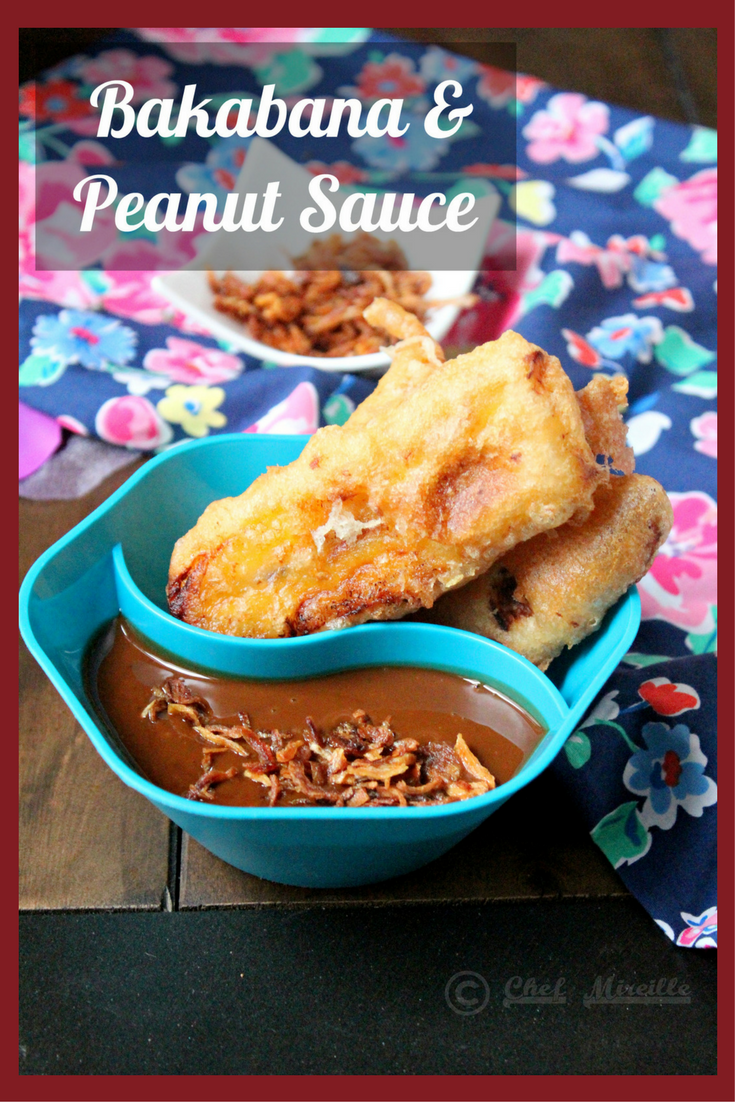
Bakabana
Fried Plantain with Peanut Sauce
Afternoon snack or side dish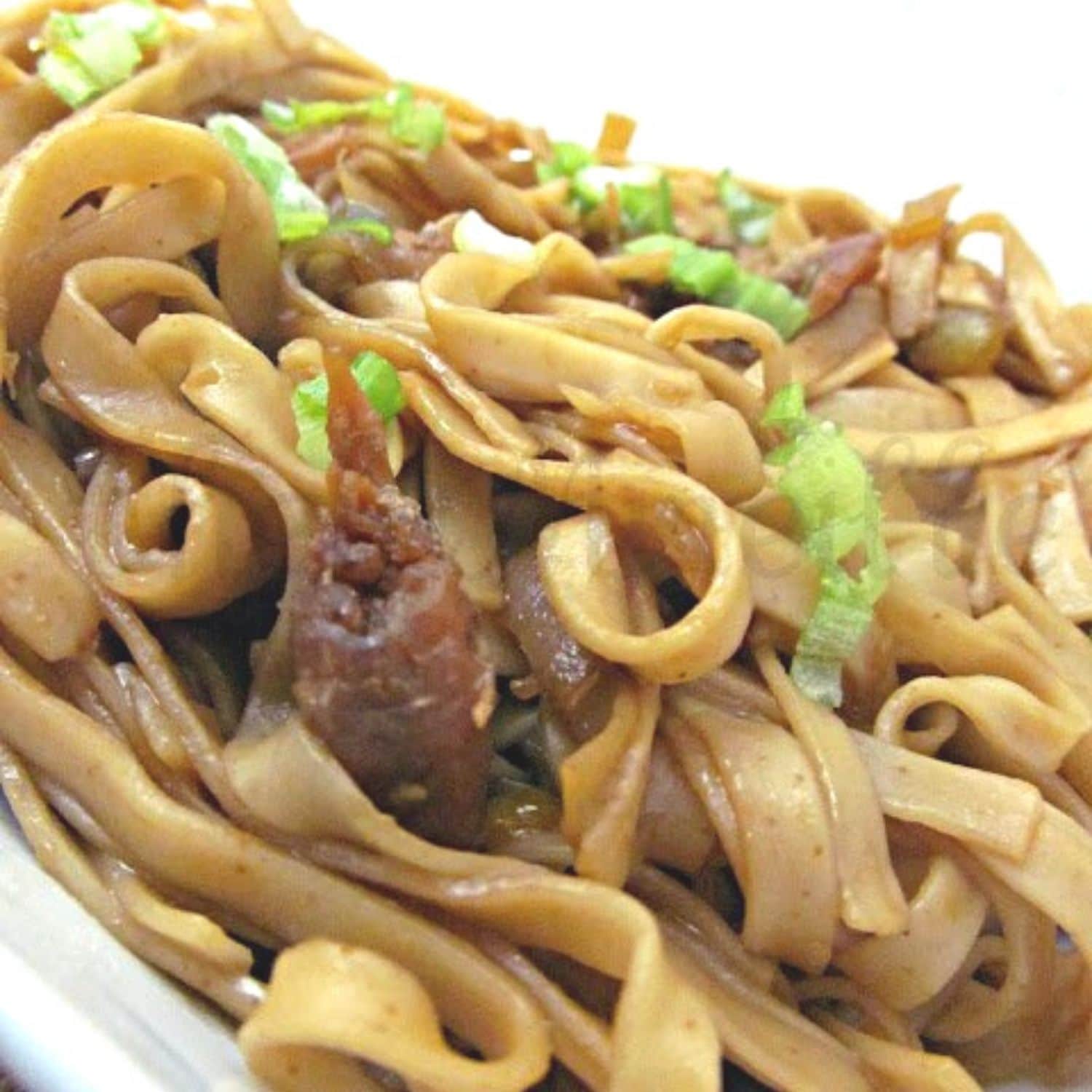 Easy
📜 Story
Easy
📜 Story
Bami
Surinamese Stir-Fried Noodles
Lunch or dinner Easy
📜 Story
Easy
📜 Story
Bara
Fried Split Pea Fritters
Snack, breakfast, or with roti meals Medium
📜 Story
Medium
📜 Story
Bojo
Cassava Coconut Cake
Celebrations, birthdays, Christmas
Comments (0)
Log in to leave a comment.
No comments yet. Be the first to share your thoughts!