
Roti met Kip
Roti met Kip (ROH-tee met KIP)
Flatbread with Curried Chicken
Soft, layered Surinamese roti bread filled with tender curried chicken, potatoes, and hard-boiled egg in a fragrant masala sauce.
Instructions
-
1
Make roti dough with flour, oil, salt, and warm water. Knead until smooth and elastic. Rest thirty minutes covered.
-
2
Season chicken with curry powder, cumin, turmeric, garlic, and salt. Brown in oil, then add onions and cook until soft.
-
3
Add potatoes, water, and whole pepper. Simmer covered until chicken is tender and potatoes are cooked, about forty minutes.
-
4
Divide dough into balls. Roll thin, brush with oil, fold, and roll again for layers. Cook on a hot tawa until puffed and spotted.
-
5
Serve by wrapping curry chicken, potato, and halved egg inside the warm roti. Fold and eat with hands.
Did You Know?
Surinamese roti differs from Indian roti in its distinctive layered texture, achieved by repeatedly folding and rolling the dough with oil.
The Story Behind Roti met Kip
Surinamese roti is perhaps the most visible legacy of the Hindustani community, who arrived as contract workers starting in 1873. They brought their flatbread traditions and adapted them with local ingredients, creating a distinctive layered bread softer and richer than its Indian ancestor. The curried chicken filling became the most popular variety, and today roti shops are found on virtually every street in Paramaribo, serving all communities.
More Surinamese Dishes
 Easy
📜 Story
Easy
📜 Story
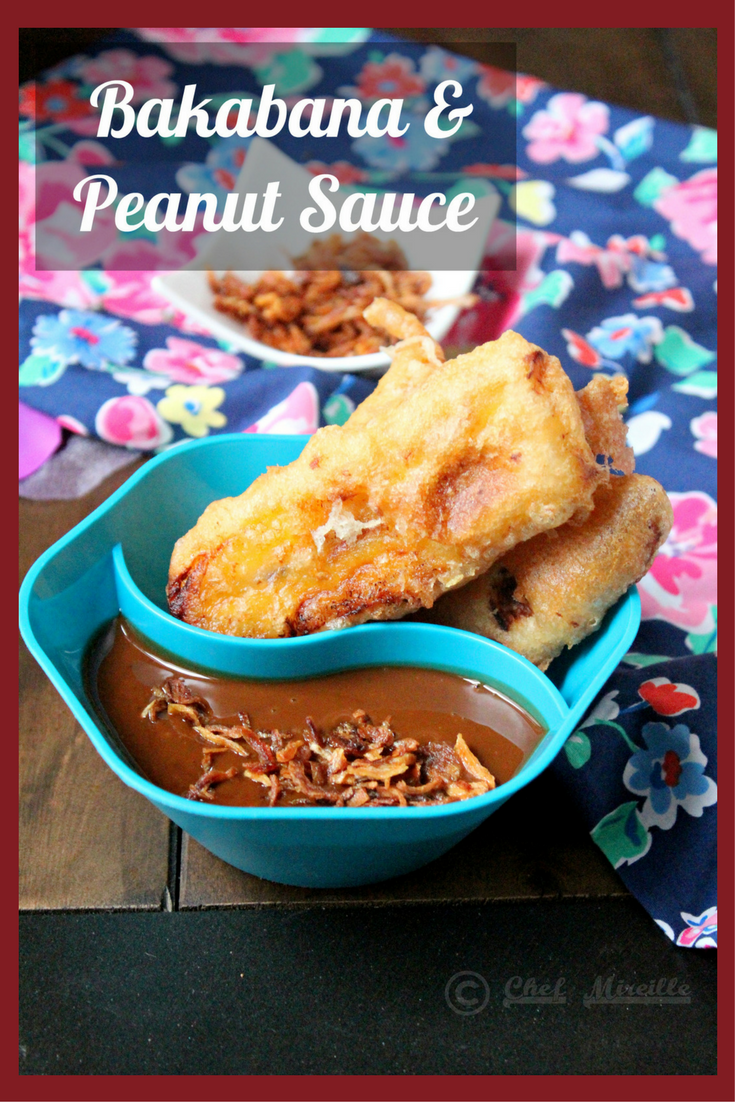
Bakabana
Fried Plantain with Peanut Sauce
Afternoon snack or side dish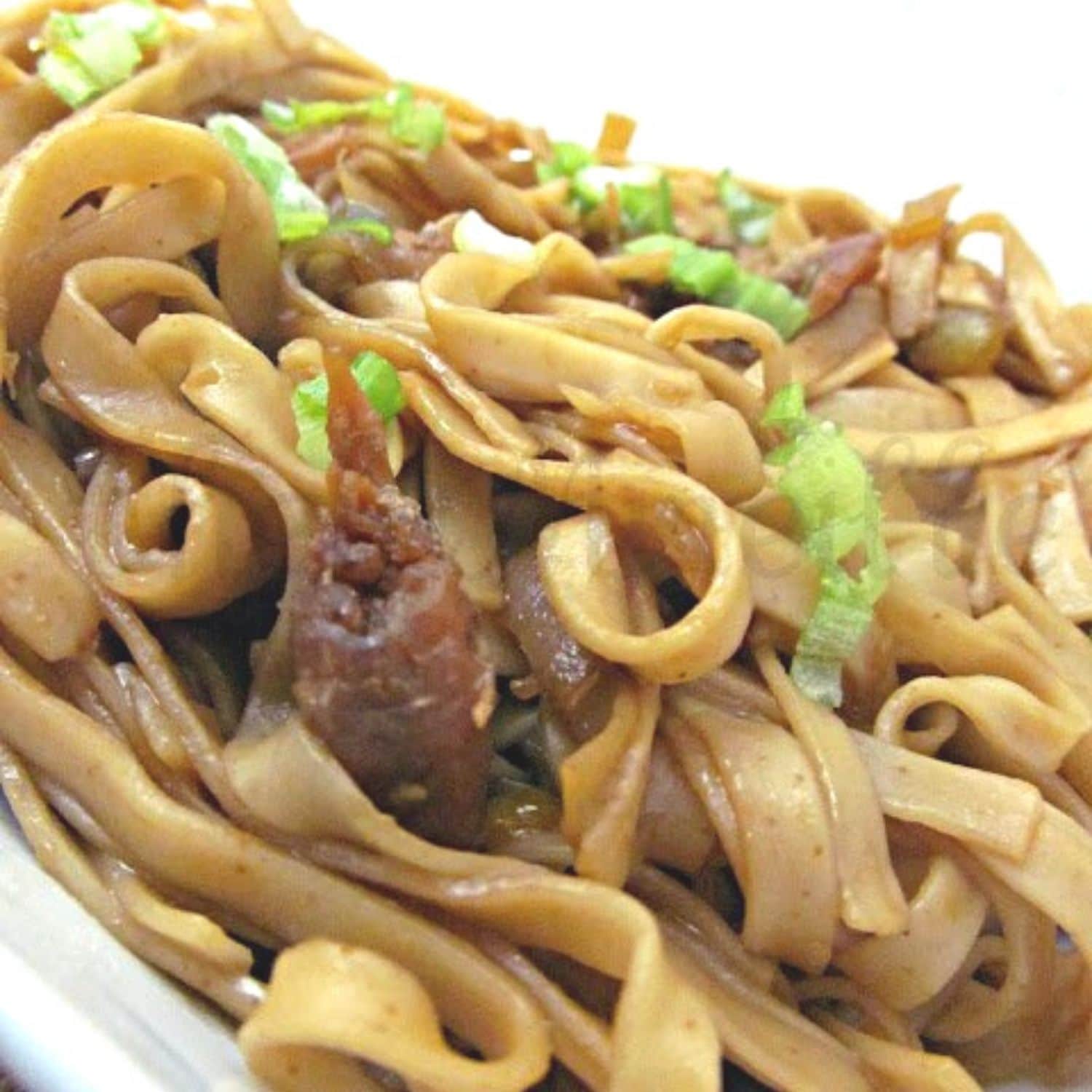 Easy
📜 Story
Easy
📜 Story
Bami
Surinamese Stir-Fried Noodles
Lunch or dinner Easy
📜 Story
Easy
📜 Story
Bara
Fried Split Pea Fritters
Snack, breakfast, or with roti meals Medium
📜 Story
Medium
📜 Story
Bojo
Cassava Coconut Cake
Celebrations, birthdays, Christmas
Comments (0)
Log in to leave a comment.
No comments yet. Be the first to share your thoughts!