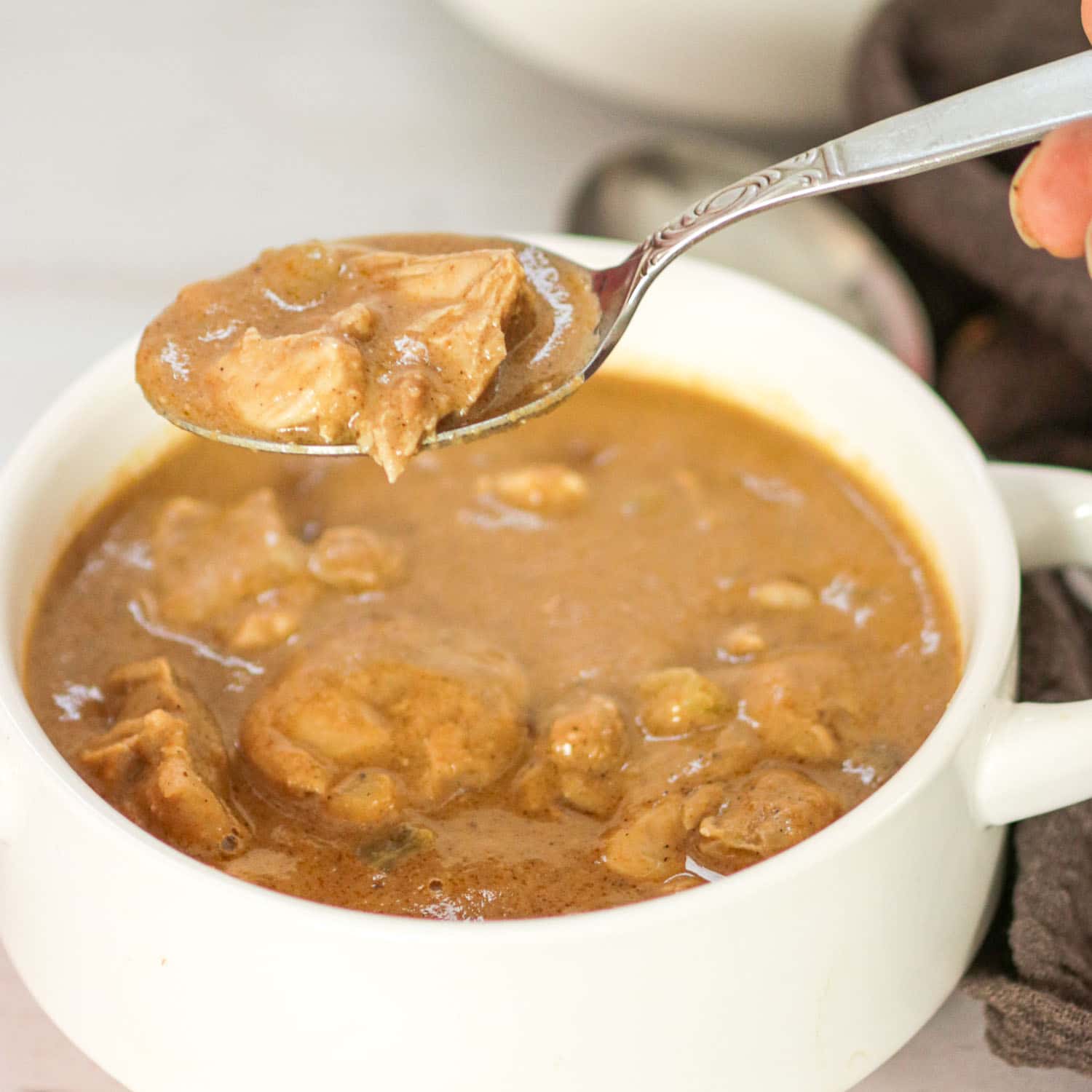
A rich, velvety peanut soup made with chicken, root vegetables, and ground peanuts, seasoned with celery, hot pepper, and herbs.
Nutrition & Info
Allergen Warnings
Equipment Needed
Presentation Guide
Vessel: deep soup bowl
Garnishes: celery leaves, drizzle of peanut oil
Accompaniments: white rice, boiled egg
Instructions
-
1
Brown chicken in oil in a large pot until golden on all sides. Add onions and garlic, cooking until softened.
-
2
Add chicken stock, tomato paste, and whole Madame Jeanette pepper. Bring to a boil and simmer thirty minutes.
-
3
Remove chicken, shred the meat, and return to pot. Add ground peanuts, stirring until dissolved into the broth.
-
4
Add sweet potato, plantain, and celery. Simmer twenty more minutes until vegetables are tender and soup is thick and creamy.
-
5
Season with salt and pepper. Serve in deep bowls garnished with celery leaves. The soup should coat the back of a spoon.
Did You Know?
Pinda soup is the dish that best represents Suriname's West African heritage, with peanut soups found across the African diaspora from Ghana to Brazil.
Chef's Notes
Equipment Tips
- large stockpot
- blender or food processor
- ladle
Garnishing
celery leaves, drizzle of peanut oil
Accompaniments
white rice, boiled egg
The Story Behind Pinda Soup
Pindasoep traces directly to West African groundnut soups brought to Suriname by enslaved Africans. The peanut, originally from South America, had traveled to Africa and returned transformed into complex soup traditions. In Suriname, the dish absorbed local ingredients like plantain and Madame Jeanette peppers, creating a uniquely Surinamese version that remains a cornerstone of Creole cooking and a symbol of African culinary heritage in the Americas.
More Surinamese Dishes
 Easy
📜 Story
Easy
📜 Story
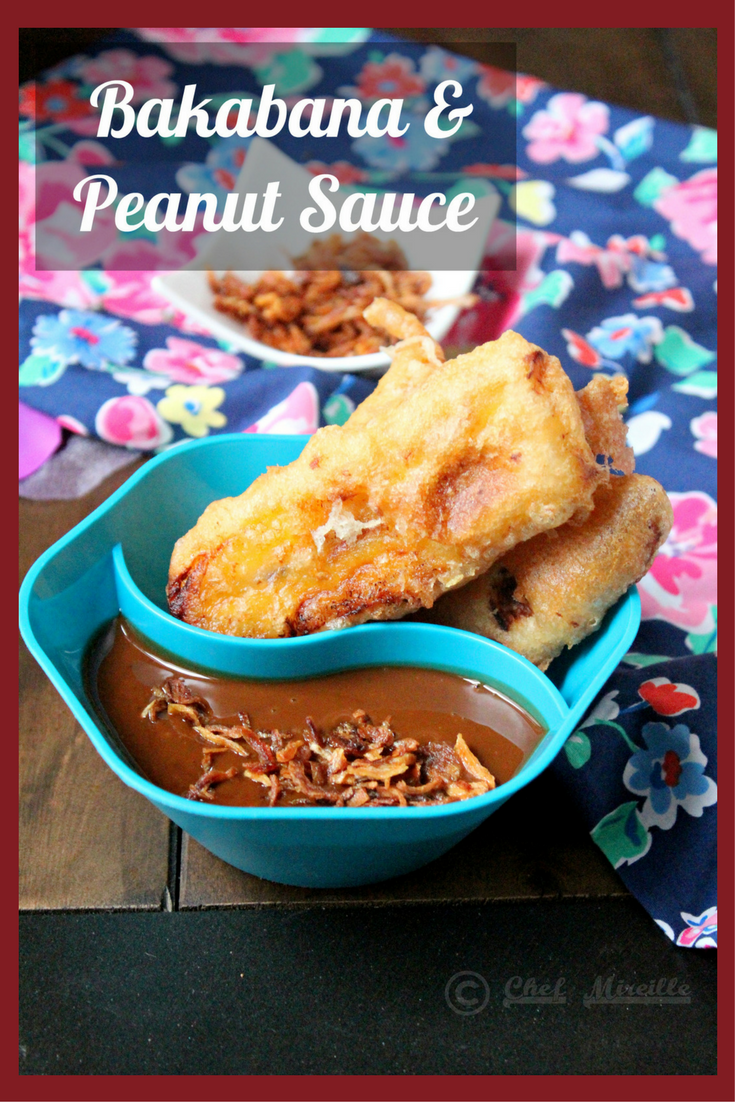
Bakabana
Fried Plantain with Peanut Sauce
Afternoon snack or side dish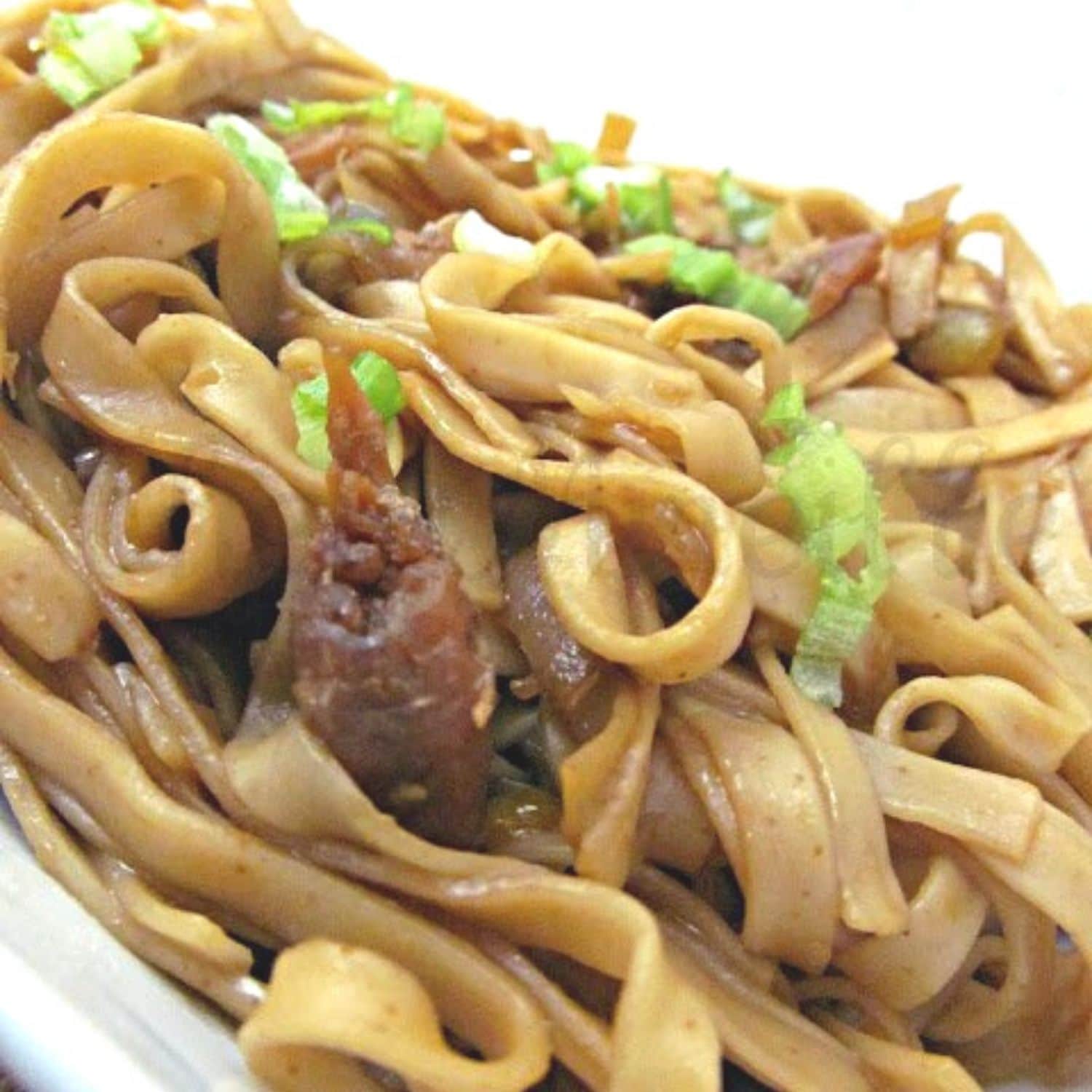 Easy
📜 Story
Easy
📜 Story
Bami
Surinamese Stir-Fried Noodles
Lunch or dinner Easy
📜 Story
Easy
📜 Story
Bara
Fried Split Pea Fritters
Snack, breakfast, or with roti meals Medium
📜 Story
Medium
📜 Story
Bojo
Cassava Coconut Cake
Celebrations, birthdays, Christmas
Comments (0)
Log in to leave a comment.
No comments yet. Be the first to share your thoughts!