
A golden-crusted Surinamese pot pie filled with shredded chicken, vegetables, hard-boiled eggs, and pickles in a creamy seasoned sauce.
Instructions
-
1
Make pastry by rubbing butter into flour until crumbly. Add egg and cold water until dough forms. Wrap and chill one hour.
-
2
Poach chicken in stock until cooked through. Shred finely. Make a roux with butter and flour, add stock and cream for a thick sauce.
-
3
Combine shredded chicken, chopped eggs, pickles, capers, and onions in the sauce. Season with nutmeg, lemon juice, salt, and pepper.
-
4
Roll out two-thirds of pastry and line a greased pie dish. Fill with the chicken mixture. Roll remaining pastry for the lid.
-
5
Seal edges, brush with egg yolk wash, and cut steam vents. Bake at 190C for forty-five minutes until deep golden brown.
Did You Know?
Pastei is the Surinamese answer to the European pot pie, but with distinctly tropical additions like capers and pickles that give it a tangy character.
The Story Behind Pastei
Pastei is a direct descendant of Dutch pastei recipes brought to Suriname during colonial times. The dish was adapted by the Creole community, who added their own flavor preferences including more spice and tangy elements. Over centuries it became a celebration staple, particularly at Christmas when families prepare multiple pasteien alongside pom. The dish represents the Dutch culinary influence that is woven throughout Surinamese food culture.
More Surinamese Dishes
 Easy
📜 Story
Easy
📜 Story
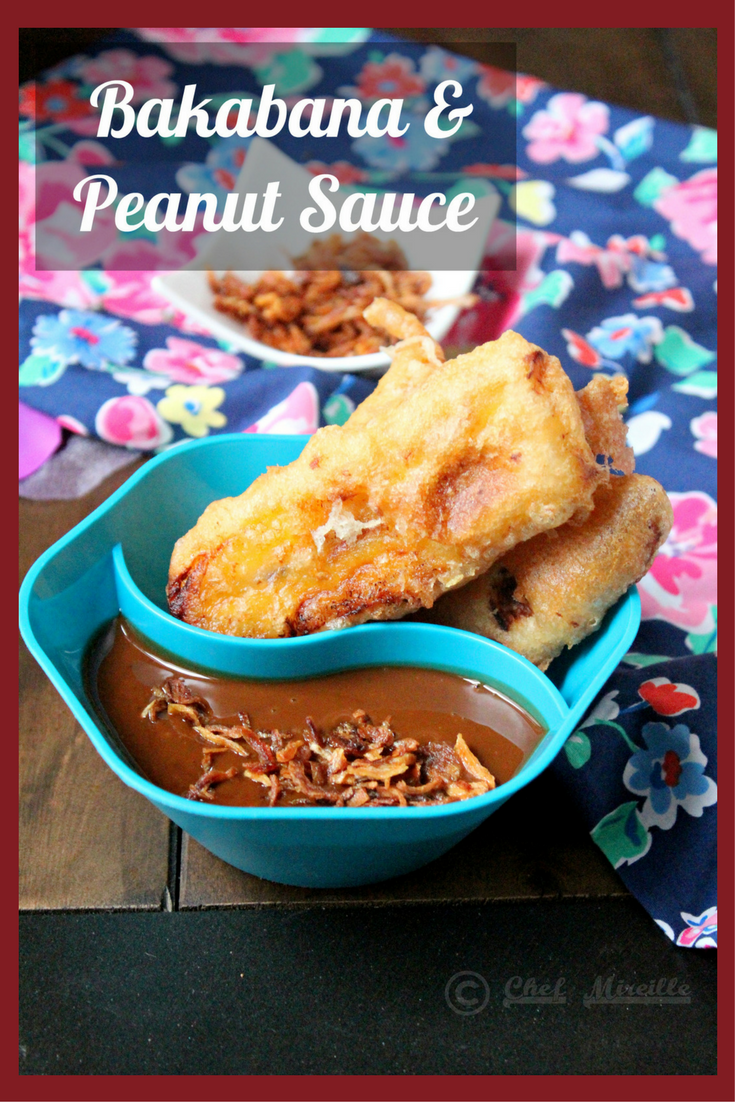
Bakabana
Fried Plantain with Peanut Sauce
Afternoon snack or side dish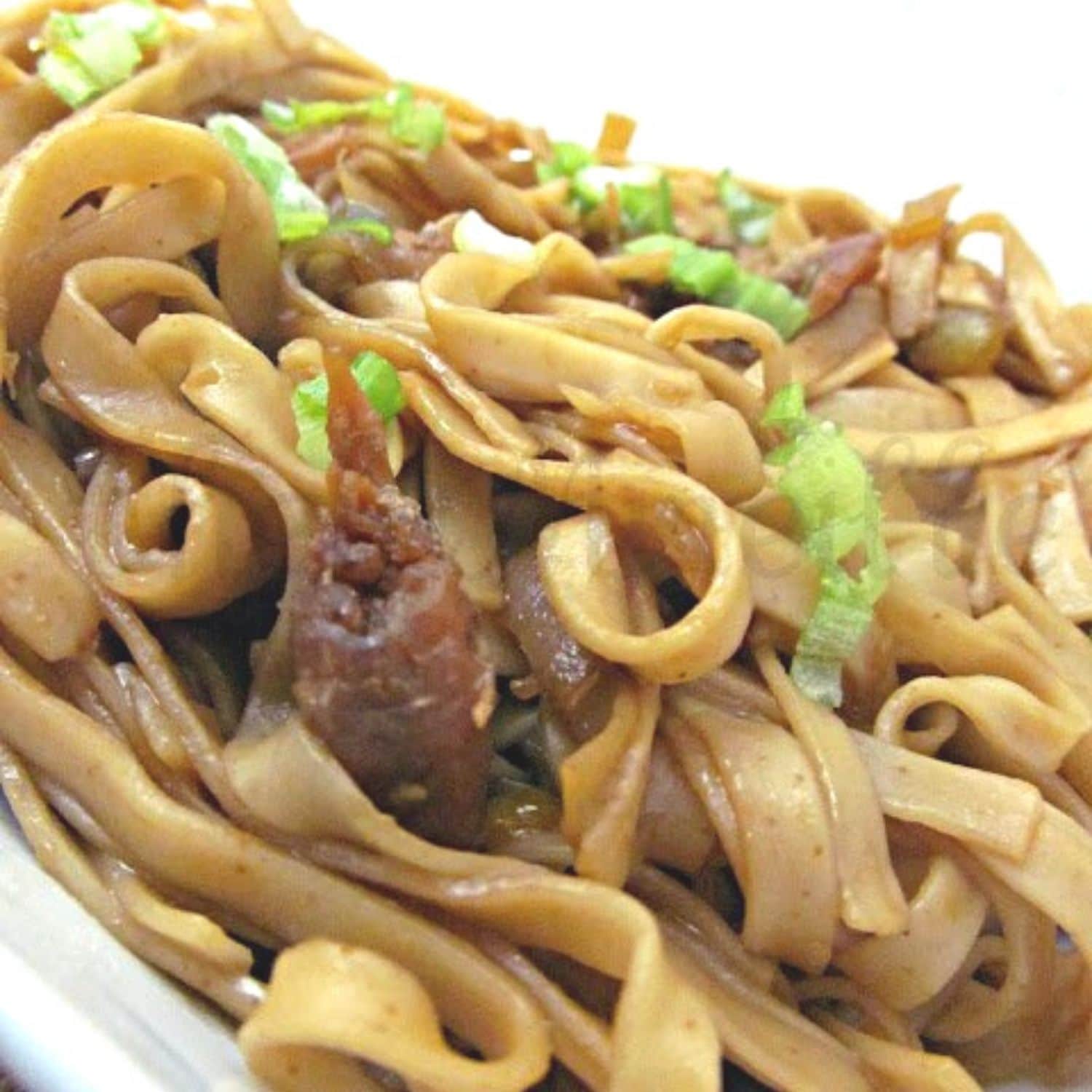 Easy
📜 Story
Easy
📜 Story
Bami
Surinamese Stir-Fried Noodles
Lunch or dinner Easy
📜 Story
Easy
📜 Story
Bara
Fried Split Pea Fritters
Snack, breakfast, or with roti meals Medium
📜 Story
Medium
📜 Story
Bojo
Cassava Coconut Cake
Celebrations, birthdays, Christmas
Comments (0)
Log in to leave a comment.
No comments yet. Be the first to share your thoughts!