
Indonesian-style fried rice adapted to Surinamese tastes, with chicken, shrimp, sweet soy sauce, and a fried egg on top.
Nutrition & Info
Allergen Warnings
Equipment Needed
Presentation Guide
Vessel: oval plate
Garnishes: fried egg, fried shallots, cucumber slices
Accompaniments: sambal, krupuk (prawn crackers)
Instructions
-
1
Heat one tablespoon of oil in a large wok or wide skillet over high heat until shimmering. Season the diced chicken with a pinch of salt and white pepper, then stir-fry for three minutes until cooked through. Remove and set aside.
-
2
Add another half tablespoon of oil to the wok and sear the shrimp over high heat for ninety seconds per side until pink and curled. Remove and add to the chicken, keeping the wok on the heat.
-
3
Add another tablespoon of oil and sauté the minced garlic and diced onion over medium heat for two minutes until fragrant and softened. Add the chopped celery stalks and cook for one more minute until slightly wilted.
-
4
Increase the heat to high and add the cold rice to the wok, breaking up any clumps with a spatula. Stir-fry vigorously for three minutes, pressing the rice against the hot wok surface to achieve lightly charred, separate grains.
-
5
Pour the ketjap manis, light soy sauce, and white pepper over the rice, tossing constantly to coat every grain evenly with the dark, glossy sauce. Return the chicken and shrimp to the wok and toss to combine.
-
6
In a separate non-stick pan, fry four eggs sunny-side-up in a little oil until the whites are set but the yolks remain runny. Season each egg with a tiny pinch of salt and white pepper.
-
7
Divide the nasi goreng among four plates, topping each portion with a fried egg. Serve with sambal oelek on the side, sliced cucumber for freshness, and crispy shrimp crackers for contrasting texture.
Did You Know?
Suriname's Indonesian community brought nasi goreng during colonial times, and it became the national late-night food.
Chef's Notes
Equipment Tips
- wok
- spatula
- rice cooker
Garnishing
fried egg, fried shallots, cucumber slices
Accompaniments
sambal, krupuk (prawn crackers)
The Story Behind Nasi Goreng
The Story: Surinamese nasi goreng is an adaptation of Indonesian fried rice brought by Javanese contract laborers who arrived between 1890 and 1939 to work on Suriname's plantations. The dish features day-old rice stir-fried with sweet soy sauce (ketjap manis), garlic, shallots, and chili, topped with a fried egg and accompanied by chicken, shrimp, or vegetables. Surinamese versions have evolved to incorporate local ingredients and tastes, often including Madame Jeanette peppers for heat and bakkeljauw (salt cod) as a protein, creating a dish that is recognizably Indonesian yet distinctly Surinamese.
On the Calendar: Nasi goreng is everyday food in Suriname, eaten for lunch or dinner and available at Javanese warungs (food stalls) throughout Paramaribo and beyond. It is also popular at celebrations and community events.
Then and Now: What began as comfort food for homesick Javanese workers has become one of Suriname's most beloved national dishes, eaten by all ethnic communities. Surinamese nasi goreng has traveled with the diaspora to the Netherlands, where it is one of the most popular takeaway foods.
Legacy: Surinamese nasi goreng is a masterwork of culinary migration, a dish that traveled from Java to South America and evolved into something neither fully Indonesian nor fully Caribbean, but entirely Surinamese.
More Surinamese Dishes
 Easy
📜 Story
Easy
📜 Story
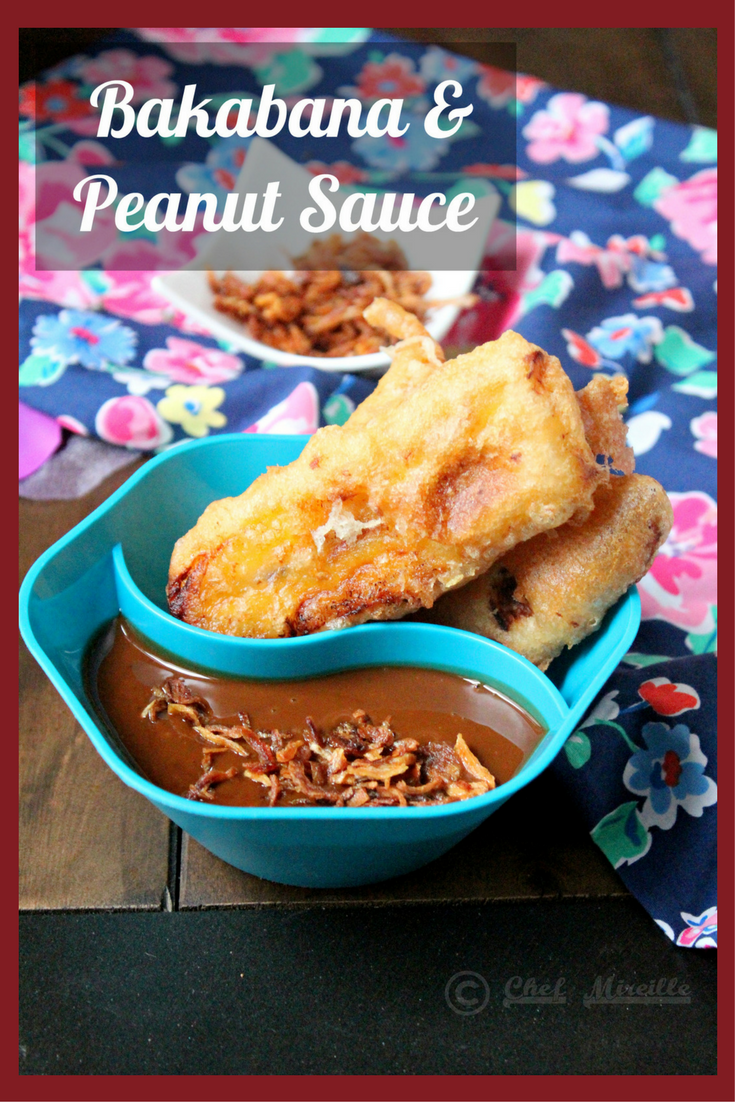
Bakabana
Fried Plantain with Peanut Sauce
Afternoon snack or side dish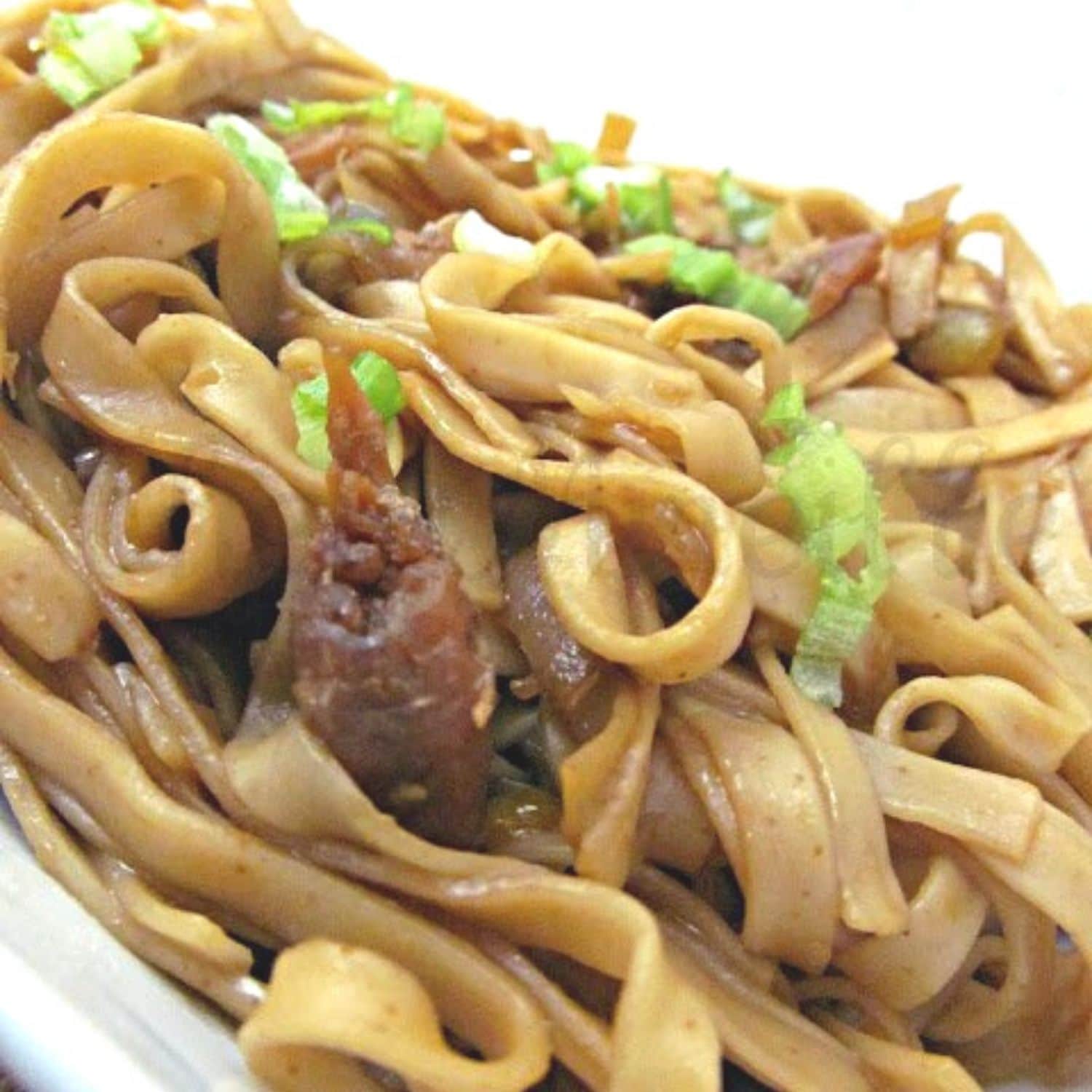 Easy
📜 Story
Easy
📜 Story
Bami
Surinamese Stir-Fried Noodles
Lunch or dinner Easy
📜 Story
Easy
📜 Story
Bara
Fried Split Pea Fritters
Snack, breakfast, or with roti meals Medium
📜 Story
Medium
📜 Story
Bojo
Cassava Coconut Cake
Celebrations, birthdays, Christmas
Comments (0)
Log in to leave a comment.
No comments yet. Be the first to share your thoughts!