
Marinated chicken skewers grilled over charcoal and served with a rich, slightly sweet peanut sauce, pickled vegetables, and lontong rice cakes.
Nutrition & Info
Allergen Warnings
Equipment Needed
Presentation Guide
Vessel: plate with skewers fanned out
Garnishes: peanut sauce, lime wedges
Accompaniments: lontong rice cakes, pickled vegetables
Instructions
-
1
Marinate chicken in ketjap manis, garlic, coriander, cumin, and oil for at least one hour or overnight in the refrigerator.
-
2
Thread marinated chicken onto soaked bamboo skewers, about five pieces per skewer. Pack the meat closely together.
-
3
Grill over hot charcoal or under a broiler, turning frequently and basting with remaining marinade until charred and cooked through.
-
4
Make peanut sauce by blending peanuts with garlic, then cooking with ketjap manis, sambal, coconut milk, and lime juice until thick.
-
5
Make quick pickle by tossing cucumber and onion with vinegar and sugar. Serve skewers with peanut sauce and pickle on the side.
Did You Know?
Surinamese satay vendors are called sateman and are a beloved fixture of Paramaribo nightlife, grilling skewers on mobile carts along busy streets.
Chef's Notes
Equipment Tips
- bamboo skewers soaked in water
- charcoal grill or broiler
- blender
- saucepan
Garnishing
peanut sauce, lime wedges
Accompaniments
lontong rice cakes, pickled vegetables
The Story Behind Javaanse Satay
Javanese satay became one of Suriname's most iconic foods after Javanese workers brought their grilling traditions in the late 1800s. The Surinamese version developed its own character, with a thicker, sweeter peanut sauce and the distinctive use of ketjap manis. Satay transcended its Javanese origins to become universally Surinamese, with sateman setting up their charcoal grills at every market, festival, and street corner in the country.
More Surinamese Dishes
 Easy
📜 Story
Easy
📜 Story
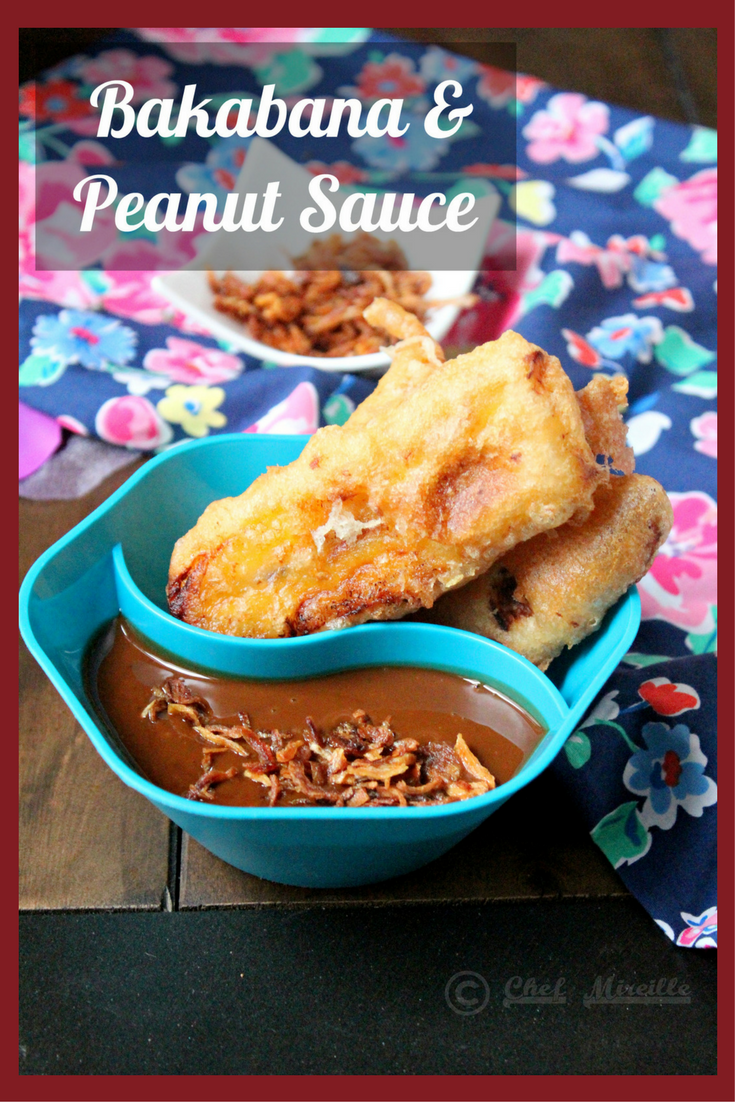
Bakabana
Fried Plantain with Peanut Sauce
Afternoon snack or side dish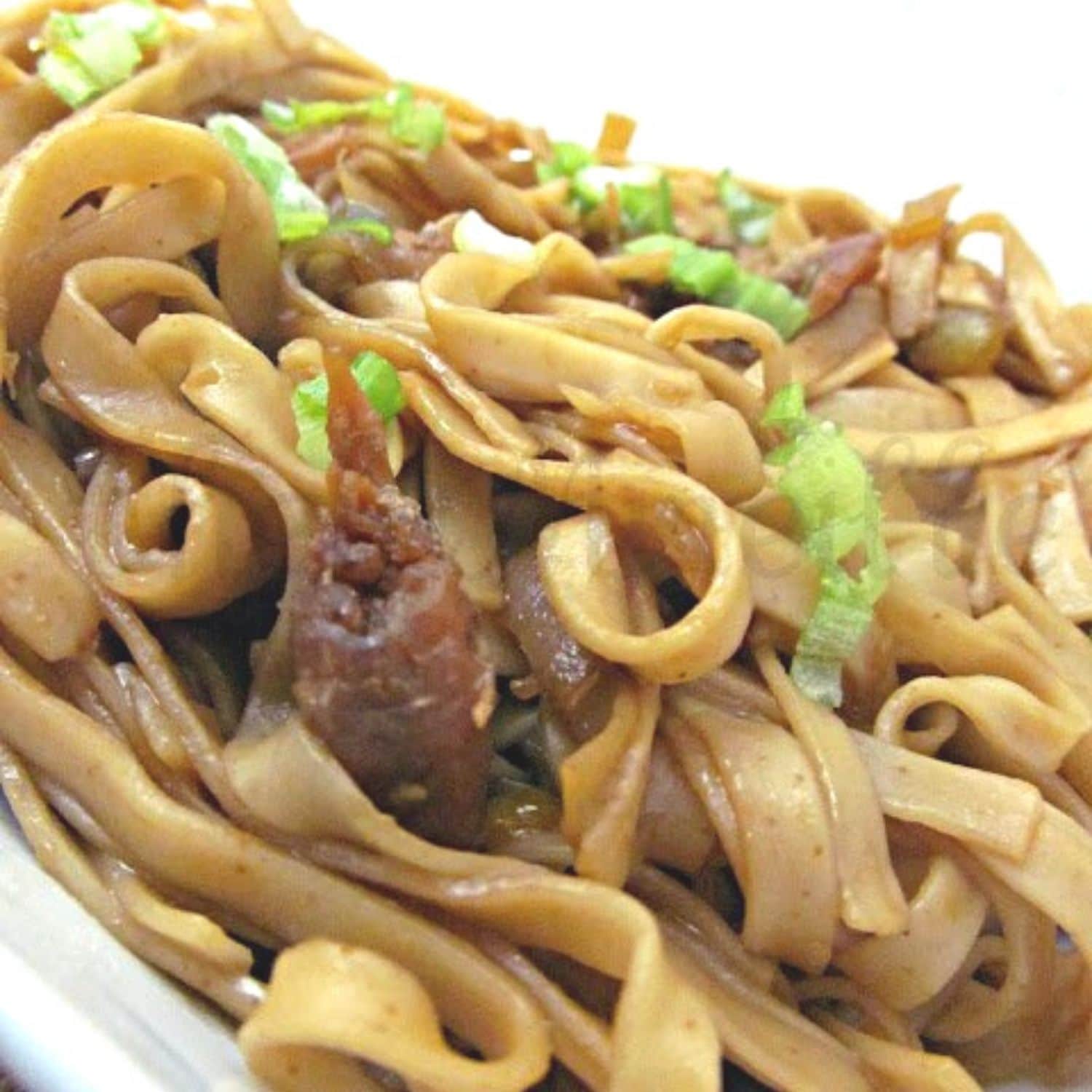 Easy
📜 Story
Easy
📜 Story
Bami
Surinamese Stir-Fried Noodles
Lunch or dinner Easy
📜 Story
Easy
📜 Story
Bara
Fried Split Pea Fritters
Snack, breakfast, or with roti meals Medium
📜 Story
Medium
📜 Story
Bojo
Cassava Coconut Cake
Celebrations, birthdays, Christmas
Comments (0)
Log in to leave a comment.
No comments yet. Be the first to share your thoughts!