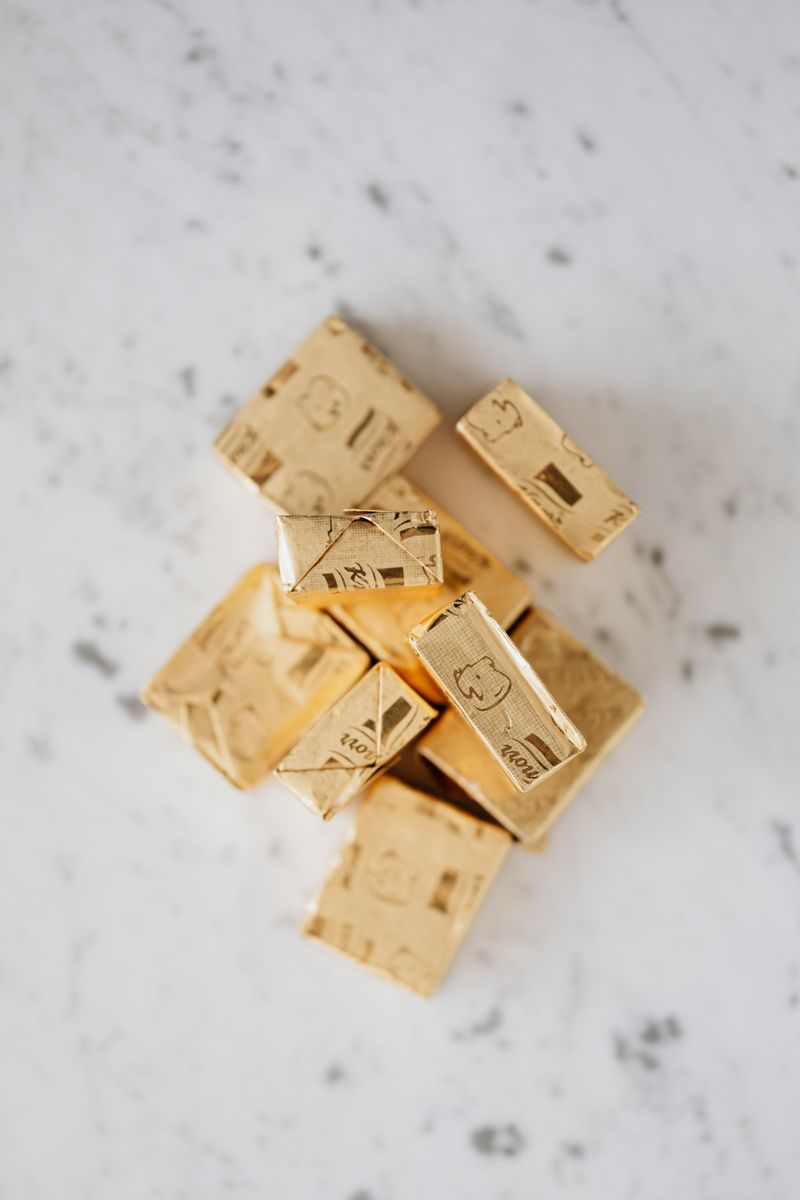
A pungent, deeply savory fermented paste made from the leaves of the cassia plant, dried and aged to develop intense umami flavor. This Sudanese condiment transforms simple stews into rich, complex dishes.
Nutrition & Info
Equipment Needed
Instructions
-
1
Harvest fresh cassia tora leaves and wash them thoroughly. Pound the leaves in a mortar until they form a coarse paste releasing green juices.
-
2
Form the pounded leaves into small balls about the size of a fist. Wrap each ball tightly in banana leaves or clean cloth.
-
3
Place the wrapped balls in a warm, shaded area and allow them to ferment for five to seven days, checking periodically for proper development.
-
4
Once fermentation is complete, unwrap the balls and spread the dark paste on a drying rack. Sun-dry for two to three days until firm.
-
5
Break the dried kawal into smaller pieces and store in an airtight container. It will keep for months and develops deeper flavor over time.
-
6
To use, reconstitute a small piece in warm water and add to stews and sauces during cooking for intense savory depth.
Did You Know?
Kawal is sometimes called Sudanese miso because it serves a similar umami-boosting role in cooking, though the fermentation process is entirely different.
Chef's Notes
Equipment Tips
- mortar and pestle
- clay pot
- drying rack
- airtight container
The Story Behind Kawal
Kawal represents an ancient Sudanese food preservation technique that predates recorded history. The fermentation of cassia leaves was developed in western Sudan as a way to preserve protein-rich plant matter through the dry season. This indigenous biotechnology demonstrates the sophisticated food science knowledge of traditional Sudanese cultures.


Comments (0)
Log in to leave a comment.
No comments yet. Be the first to share your thoughts!