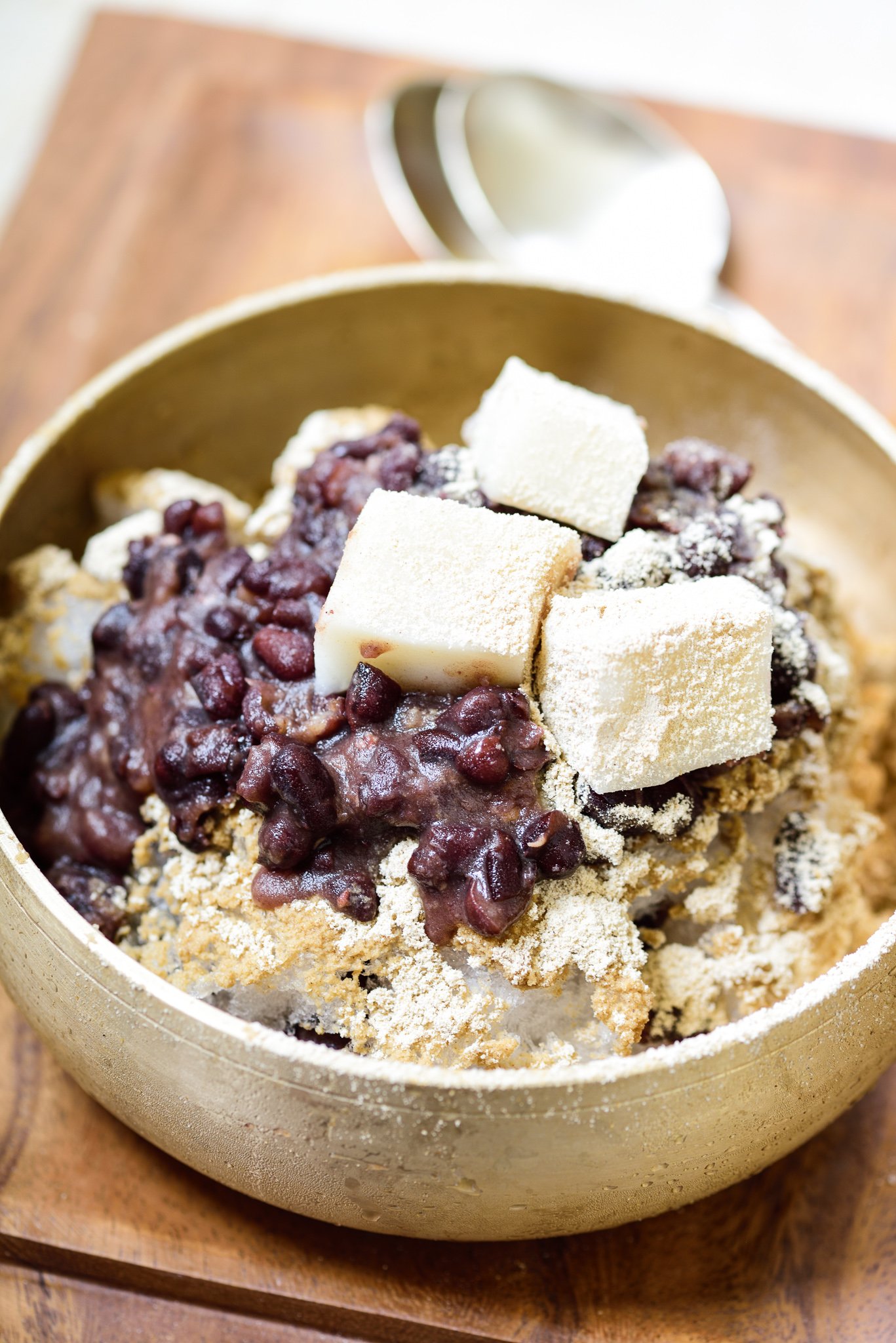
A towering mountain of fluffy shaved milk ice topped with sweet red beans, rice cakes, fresh fruit, and condensed milk. Korea's ultimate summer dessert.
Nutrition & Info
Allergen Warnings
Equipment Needed
Presentation Guide
Vessel: large chilled bowl
Garnishes: sweetened red beans, mochi, fresh fruit, condensed milk
Instructions
-
1
Mix the whole milk with two tablespoons of condensed milk until dissolved, then pour into shallow freezer-safe containers and freeze for at least six hours or overnight until completely solid throughout.
-
2
Place your serving bowls in the freezer thirty minutes before assembling so they stay cold, which prevents the shaved ice from melting too quickly once you begin building the dessert.
-
3
Remove the frozen milk blocks from the containers and shave them using an ice shaver or food processor, pulsing in short bursts until the texture resembles fine fluffy snow rather than coarse ice crystals.
-
4
Mound the shaved milk ice generously into the chilled bowls, creating a tall peak in the centre. Work quickly as the fine ice begins to melt within minutes at room temperature.
-
5
Spoon the sweet red bean paste over one side of the ice mound, then arrange the rice cake balls, sliced strawberries, diced mango, and kiwi slices decoratively around and over the shaved ice.
-
6
Drizzle additional condensed milk in a zigzag pattern over the entire dessert, then dust with roasted soybean powder and scatter cornflakes or granola on top for a satisfying crunch.
-
7
Serve immediately with long spoons, mixing the toppings into the shaved ice as you eat. Patbingsu is traditionally shared between two people from the same bowl.
Did You Know?
Patbingsu dates to the Joseon Dynasty when servants shaved natural ice from frozen rivers.
Chef's Notes
Equipment Tips
- shaved ice machine
- serving bowls
- spoons
Garnishing
sweetened red beans, mochi, fresh fruit, condensed milk
The Story Behind 팔빙수
### The Story
The origins of patbingsu reach back to the Joseon Dynasty (1392-1897), when shaved ice was a luxury available only to royalty. During winter, officials would harvest ice from the frozen Han River and store it in underground chambers called seokbinggo, preserving it until summer for the royal court's cold treats. The earliest versions were simple -- shaved ice topped with sweetened red bean paste (pat). During the Japanese occupation (1910-1945), the Japanese kakigori tradition of flavored shaved ice influenced Korean preparations, and by the 1970s, patbingsu evolved into its modern form with finely shaved ice crowned with sweetened red beans, tteok (rice cakes), condensed milk, and roasted bean powder.
### On the Calendar
Patbingsu is quintessentially a summer dessert, consumed from late spring through early autumn. It is especially popular during the hot, humid Korean summer months of July and August.
### Then & Now
From its humble palace origins, patbingsu has become Korea's defining summer dessert. Modern bingsu parlors offer elaborate variations including mango bingsu, matcha bingsu, Oreo bingsu, and injeolmi (roasted soybean) bingsu, often using milk-based shaved ice for a creamier texture. The dessert has spread internationally through Korean Wave culture and dedicated bingsu cafes in major cities worldwide.
### Legacy
Patbingsu captures the arc of Korean food history -- from royal privilege to democratic pleasure -- and proves that the simplest concept, ice and sweetness, can become a canvas for endless creativity.
More South Korean Dishes
 Medium
📜 Story
Medium
📜 Story
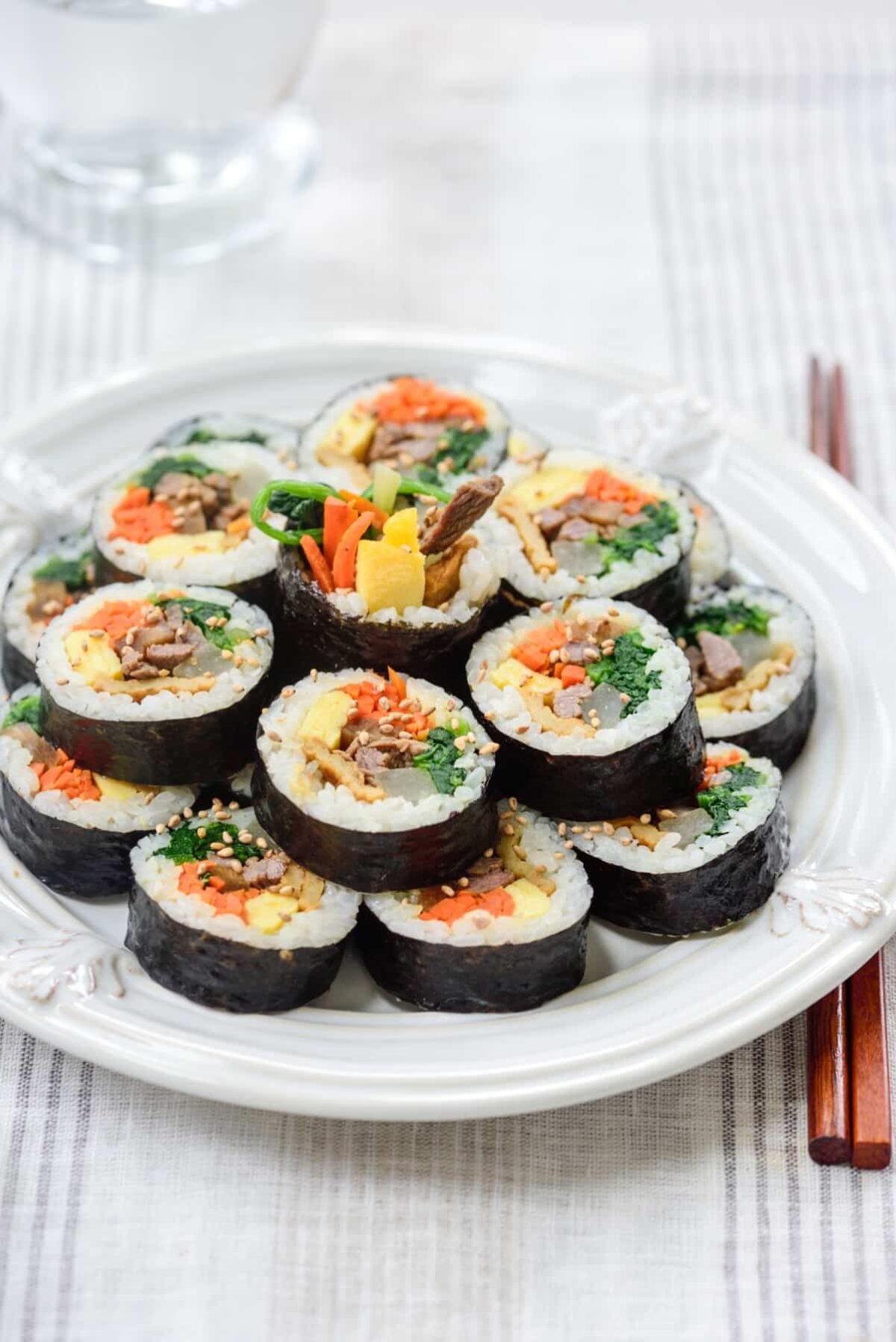
김밥
Korean Seaweed Rice Rolls
Picnics, packed lunches, everyday snack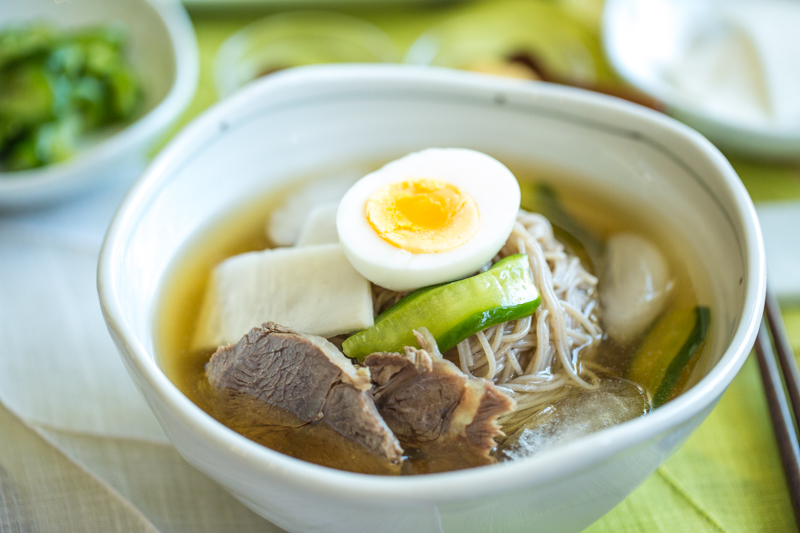 Medium
📜 Story
Medium
📜 Story
냉면
Cold Buckwheat Noodles
Summer, hot weather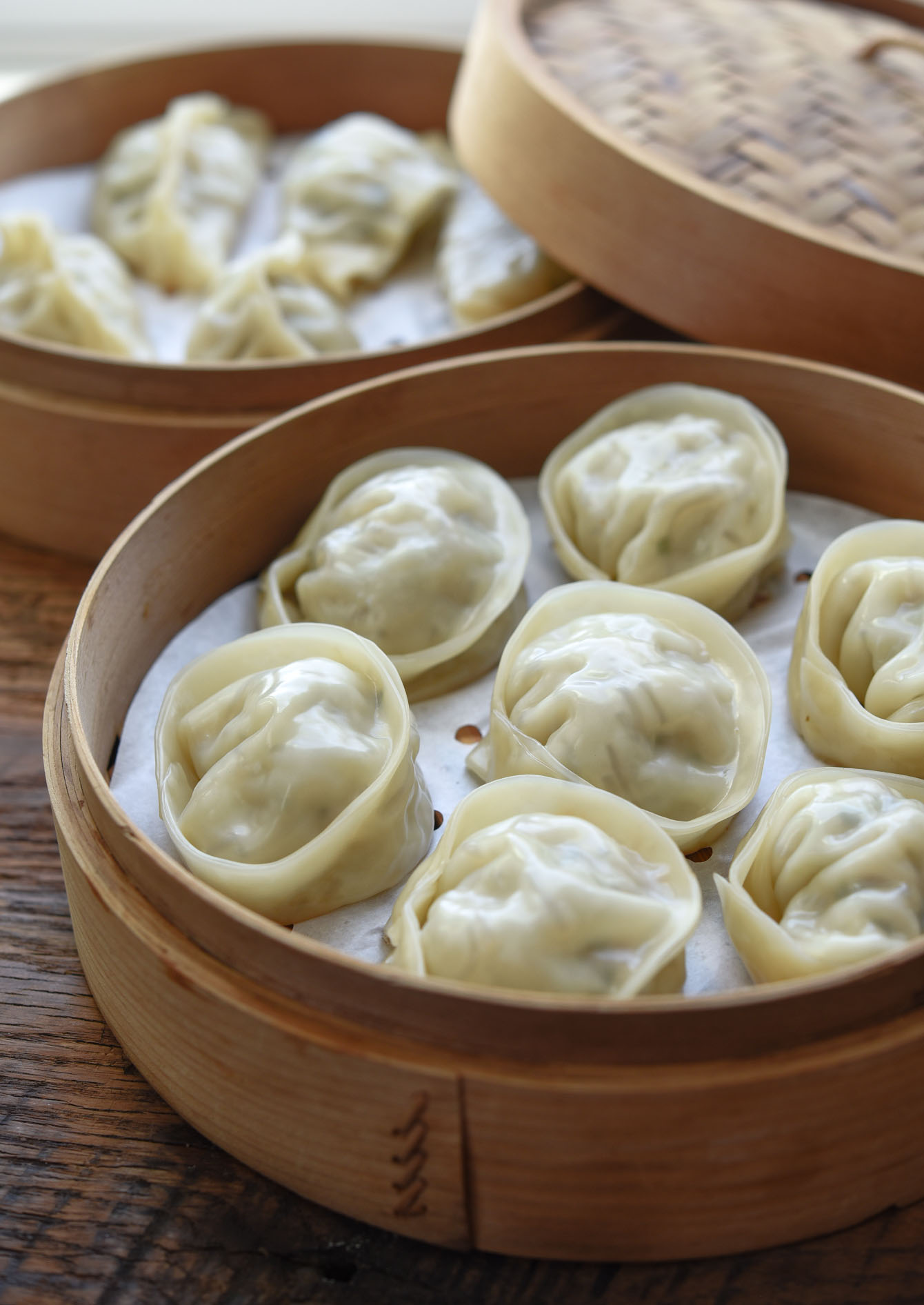 Medium
📜 Story
Medium
📜 Story
만두
Korean Dumplings
Seollal (Lunar New Year), everyday snack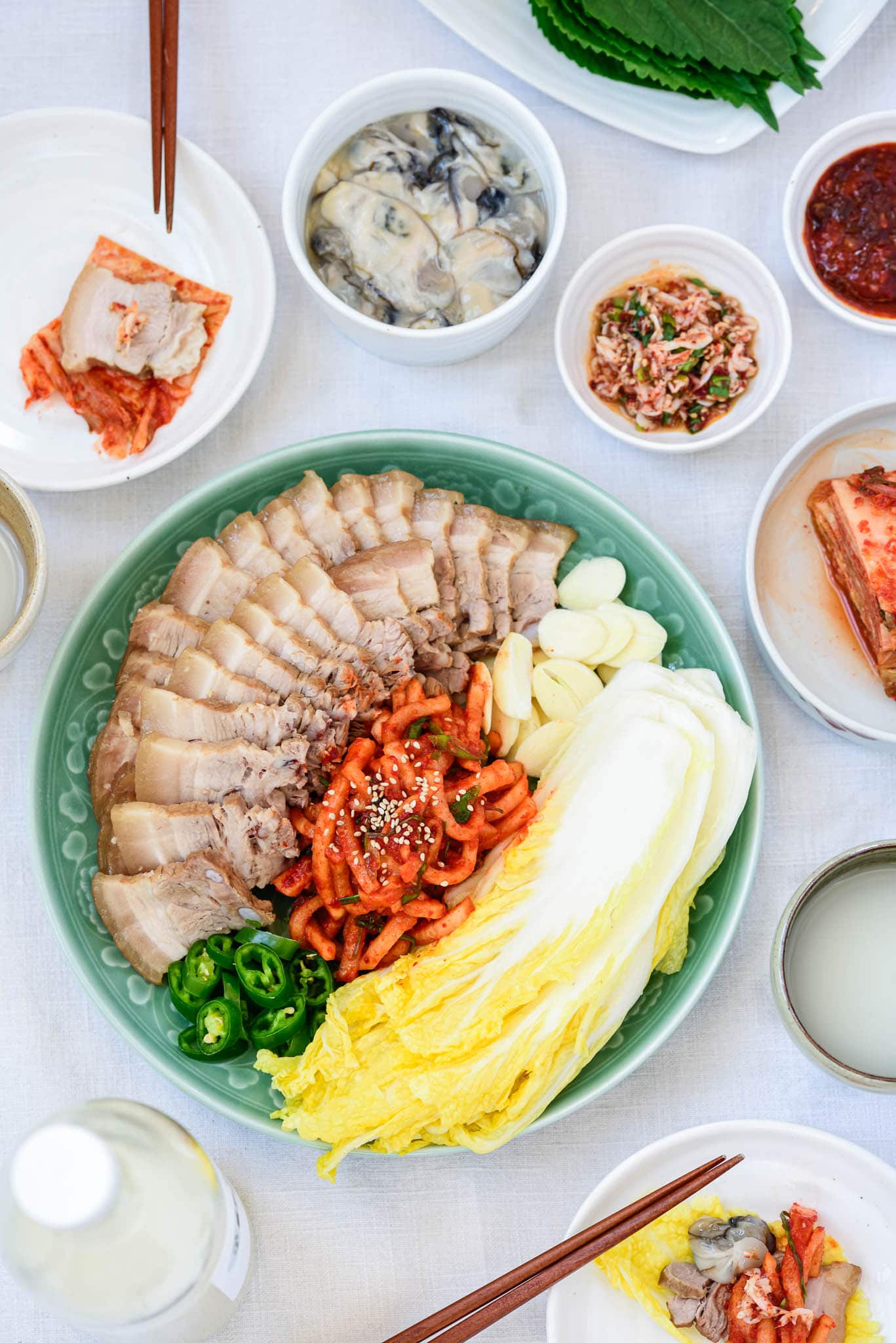 Medium
📜 Story
Medium
📜 Story
보쌈
Boiled Beef Lettuce Wraps
Dinner, celebration, kimjang (kimchi-making) season
Comments (0)
Log in to leave a comment.
No comments yet. Be the first to share your thoughts!