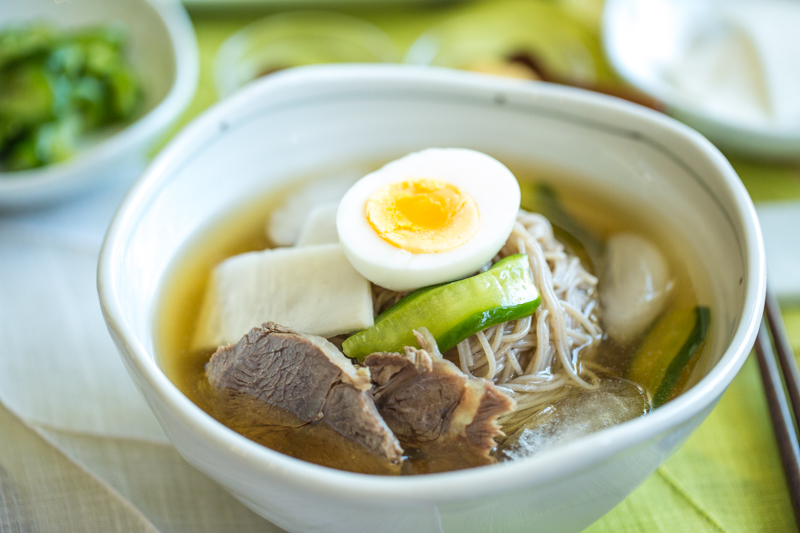
Ice-cold buckwheat noodles in a tangy, icy beef broth, topped with sliced cucumber, pear, a hard-boiled egg, and a swirl of spicy mustard — the ultimate Korean summer refresher.
Nutrition & Info
Allergen Warnings
Equipment Needed
Presentation Guide
Vessel: metal bowl
Garnishes: hard-boiled egg, Korean pear, cucumber, mustard
Accompaniments: vinegar, mustard
Instructions
-
1
Simmer beef brisket in water for 1.5 hours until tender. Strain broth, chill until partially frozen. Slice brisket thinly.
-
2
Season the chilled broth with rice vinegar, sugar, and salt. It should be tangy, slightly sweet, and very cold.
-
3
Cook naengmyeon noodles in boiling water for 30-60 seconds (they cook fast). Drain and rinse aggressively under ice-cold water, rubbing to remove starch.
-
4
Place noodles in chilled metal bowls. Pour the icy broth over them.
-
5
Top with sliced brisket, cucumber, Korean pear, and halved hard-boiled egg.
-
6
Add ice cubes to keep the broth freezing cold. Serve with mustard and vinegar on the side. Use scissors to cut the noodles.
Did You Know?
Korean restaurants provide scissors alongside naengmyeon because the chewy buckwheat noodles are intentionally long and difficult to bite through, symbolizing longevity.
Chef's Notes
Equipment Tips
- large pot
- metal bowls
- noodle scissors
Garnishing
hard-boiled egg, Korean pear, cucumber, mustard
Accompaniments
vinegar, mustard
The Story Behind 냉면
Naengmyeon originated in the Pyongyang region of present-day North Korea, where it was traditionally eaten in winter. The dish migrated south during the Korean War along with refugees. Mul-naengmyeon (in broth) and bibim-naengmyeon (with spicy sauce) are the two main styles. It became one of the most symbolically important Korean dishes when it was served at the 2018 inter-Korean summit between Moon Jae-in and Kim Jong-un.
More South Korean Dishes
 Medium
📜 Story
Medium
📜 Story
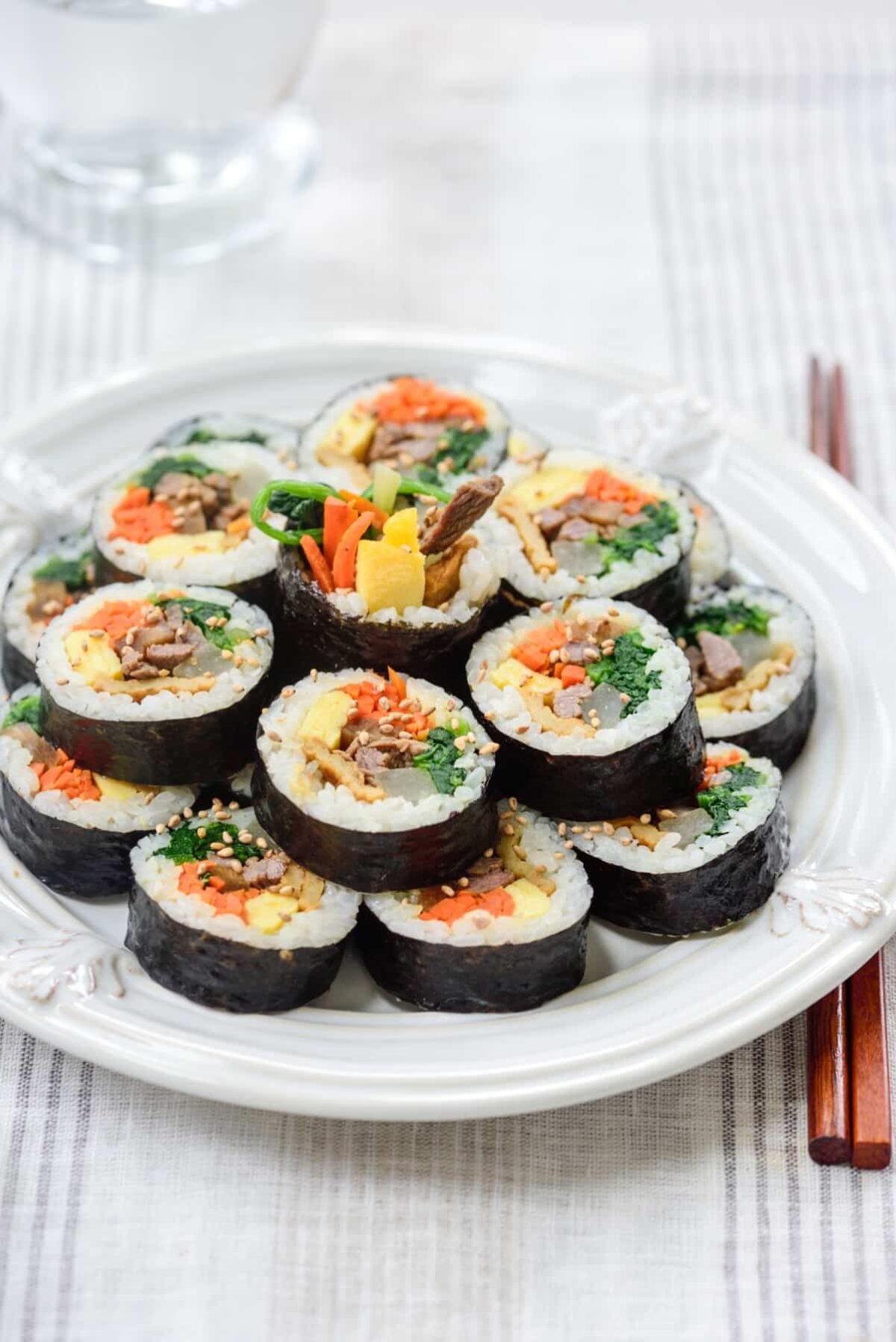
김밥
Korean Seaweed Rice Rolls
Picnics, packed lunches, everyday snack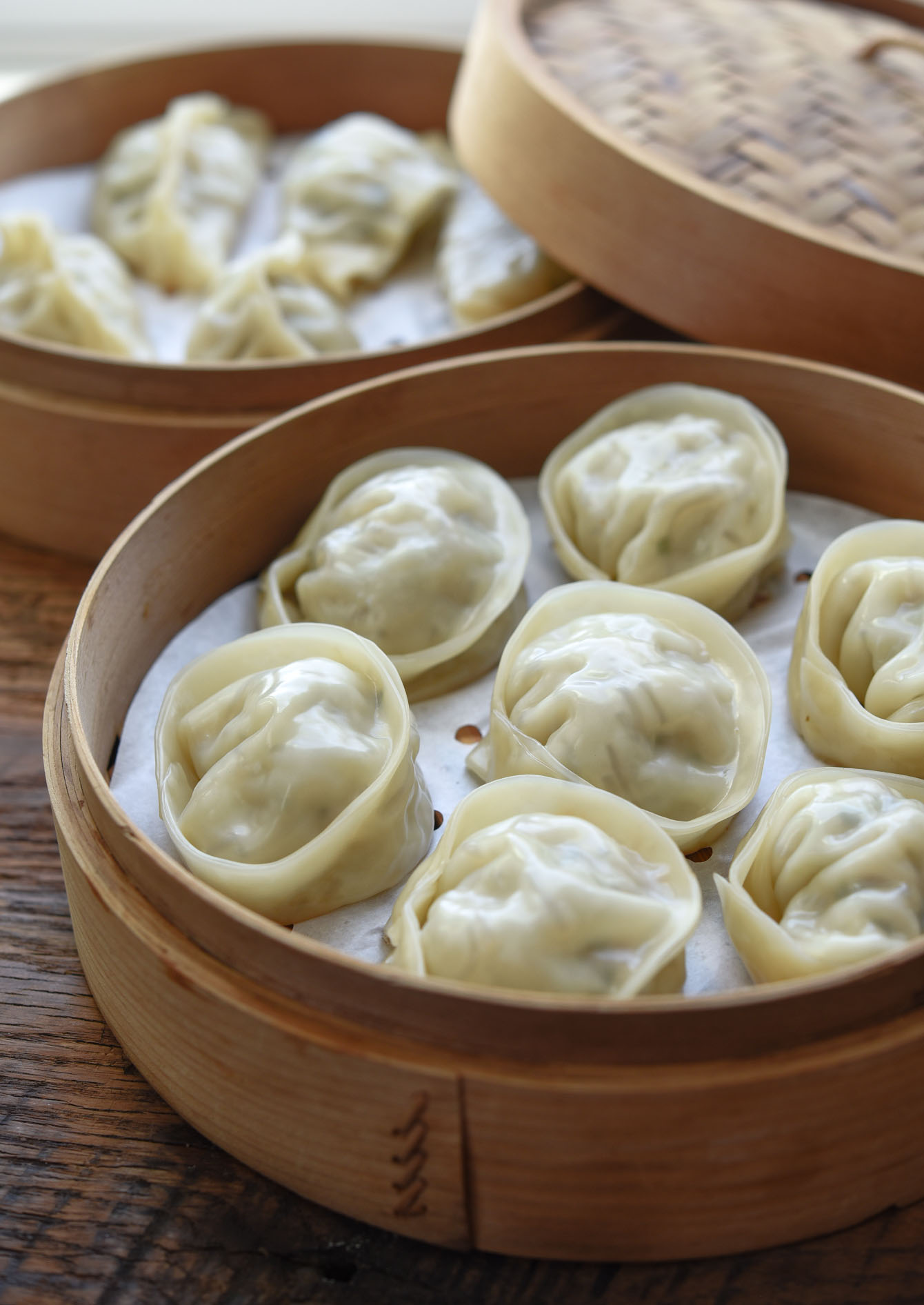 Medium
📜 Story
Medium
📜 Story
만두
Korean Dumplings
Seollal (Lunar New Year), everyday snack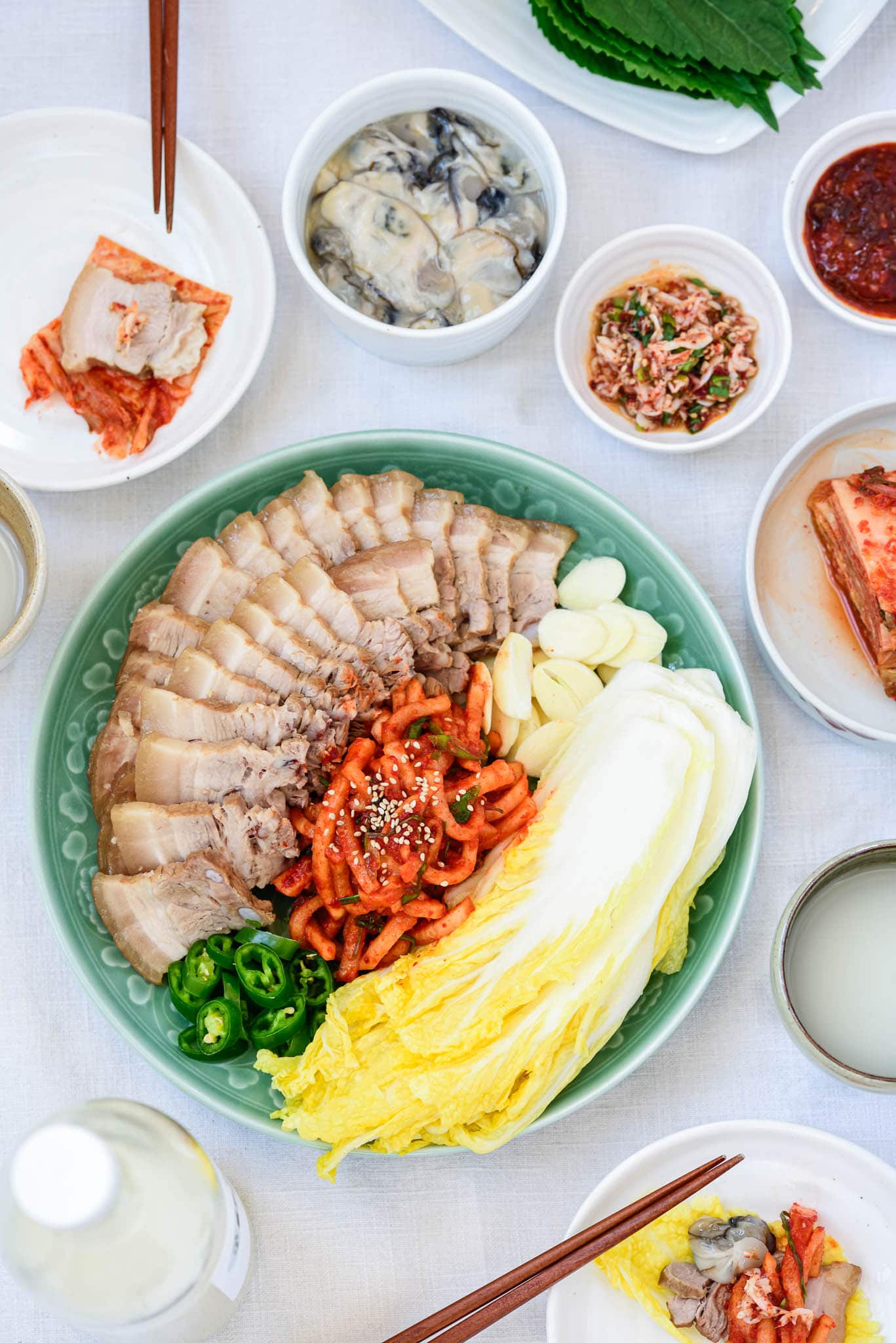 Medium
📜 Story
Medium
📜 Story
보쌈
Boiled Beef Lettuce Wraps
Dinner, celebration, kimjang (kimchi-making) season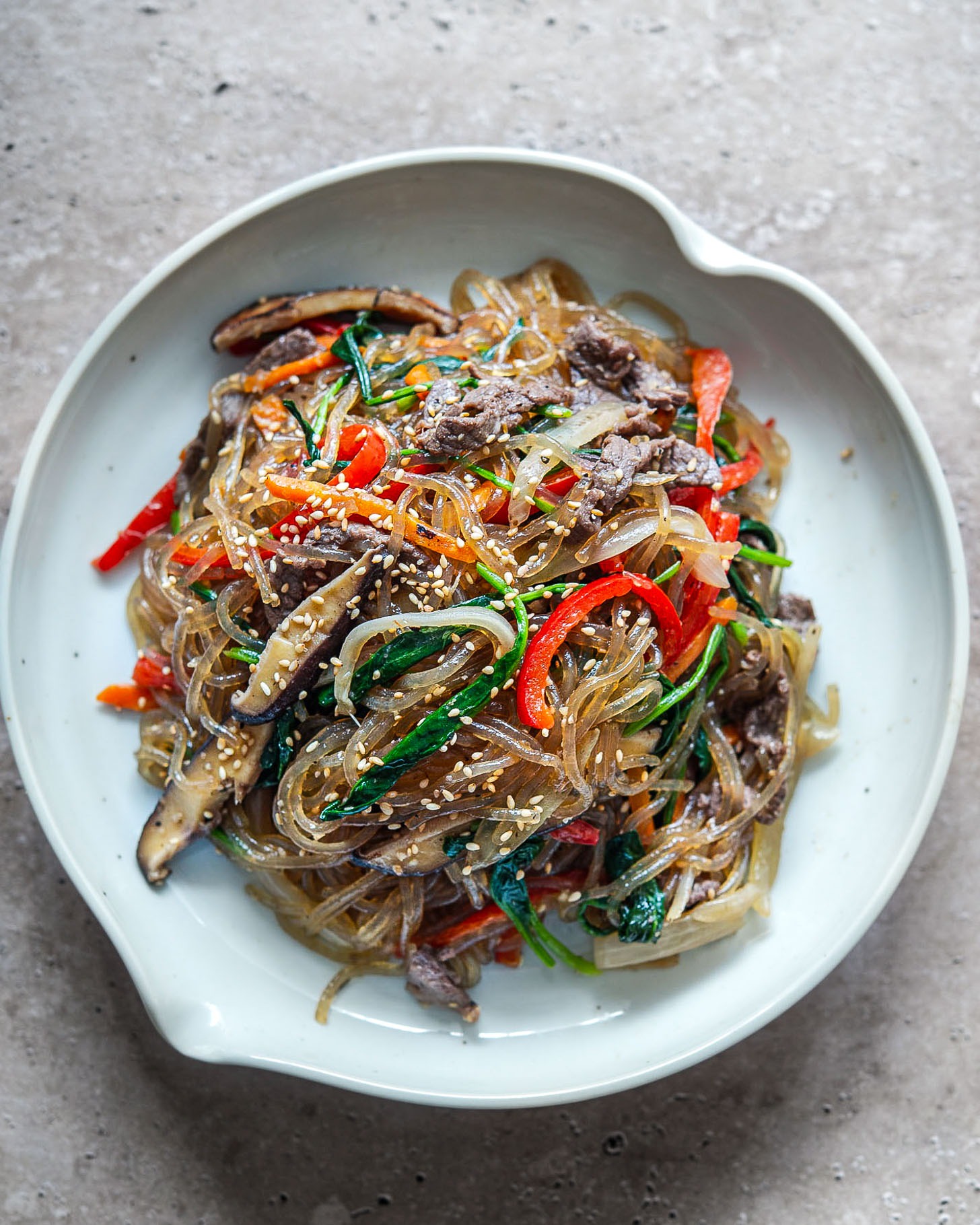 Medium
📜 Story
Medium
📜 Story
잡채
Japchae
Celebrations, holidays, and dinner
Comments (0)
Log in to leave a comment.
No comments yet. Be the first to share your thoughts!