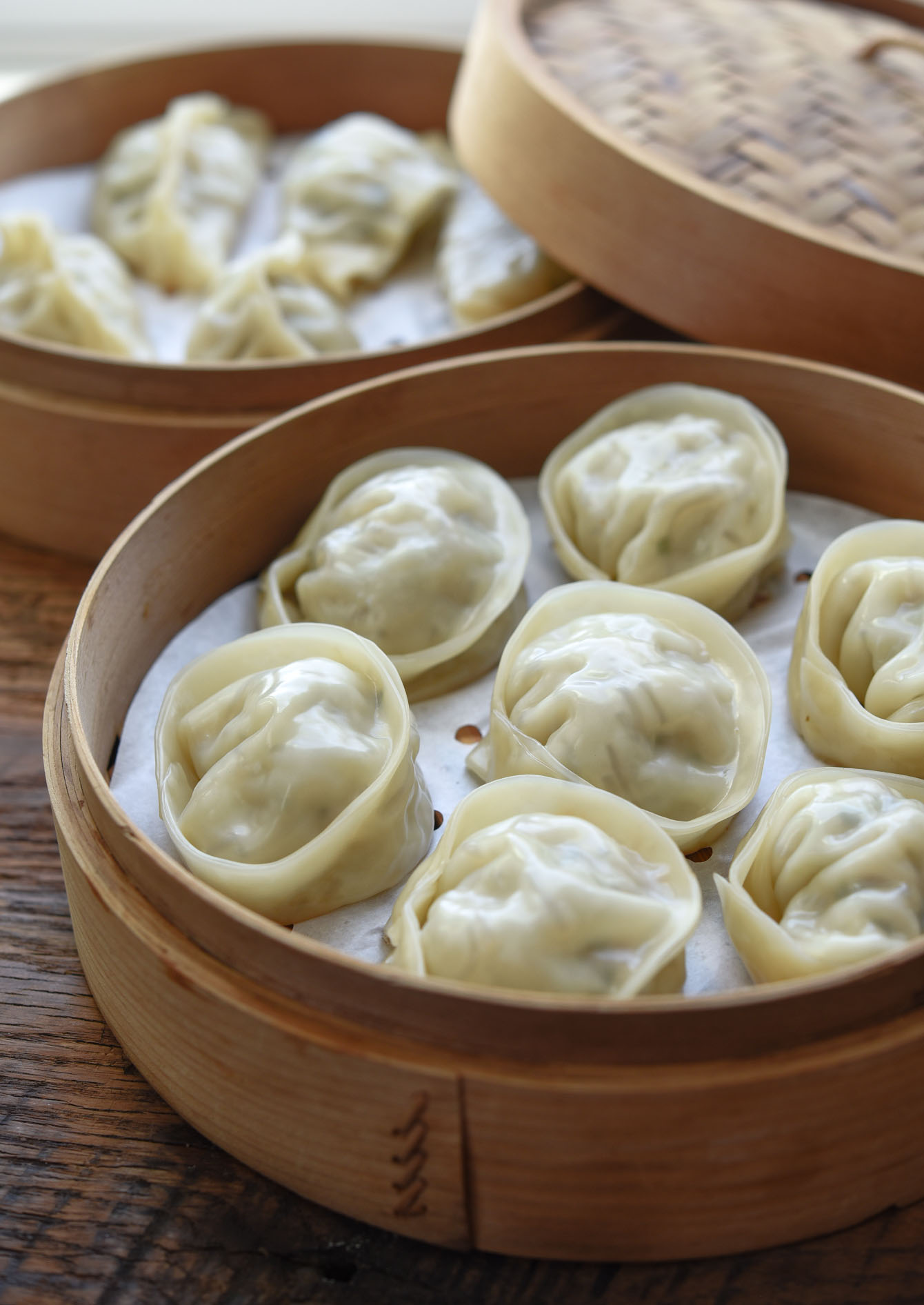
Plump crescent-shaped dumplings filled with seasoned beef, tofu, kimchi, and vegetables, either steamed to translucent or pan-fried to a golden, crispy bottom.
Nutrition & Info
Allergen Warnings
Equipment Needed
Presentation Guide
Vessel: bamboo steamer or ceramic plate
Garnishes: dipping sauce, sliced chili
Accompaniments: tteokguk (rice cake soup) on Seollal
Instructions
-
1
Mix flour, salt, and hot water into a smooth dough. Knead for 5 minutes, wrap and rest 30 minutes.
-
2
Combine beef, crumbled tofu, chopped kimchi, bean sprouts, green onion, garlic, soy sauce, sesame oil, egg, salt, and pepper. Mix thoroughly.
-
3
Roll dough into a thin sheet and cut into 8cm circles (or use store-bought dumpling wrappers).
-
4
Place a tablespoon of filling in the center of each wrapper. Fold in half and pinch edges to seal, creating a crescent shape with pleats.
-
5
For pan-fried (gunmandu): heat oil in a skillet, place dumplings flat-side down, cook 3 minutes until golden. Add 60ml water, cover, and steam 5 minutes.
-
6
For steamed (jjinmandu): arrange on an oiled steamer basket and steam for 12 minutes.
-
7
Serve with soy-vinegar dipping sauce with gochugaru.
Did You Know?
On Seollal, Korean families gather to make hundreds of mandu together, and the shape of the dumpling is said to resemble an old Korean coin purse, symbolizing prosperity.
Chef's Notes
Equipment Tips
- mixing bowl
- skillet with lid
- rolling pin
Garnishing
dipping sauce, sliced chili
Accompaniments
tteokguk (rice cake soup) on Seollal
The Story Behind 만두
Mandu arrived in Korea through Mongol influence during the Goryeo Dynasty (918-1392). Korean mandu are distinctive for their use of kimchi and tofu in the filling, setting them apart from Chinese jiaozi or Japanese gyoza. Making mandu together as a family on Seollal (Lunar New Year) is one of Korea's most cherished culinary traditions.
More South Korean Dishes
 Medium
📜 Story
Medium
📜 Story
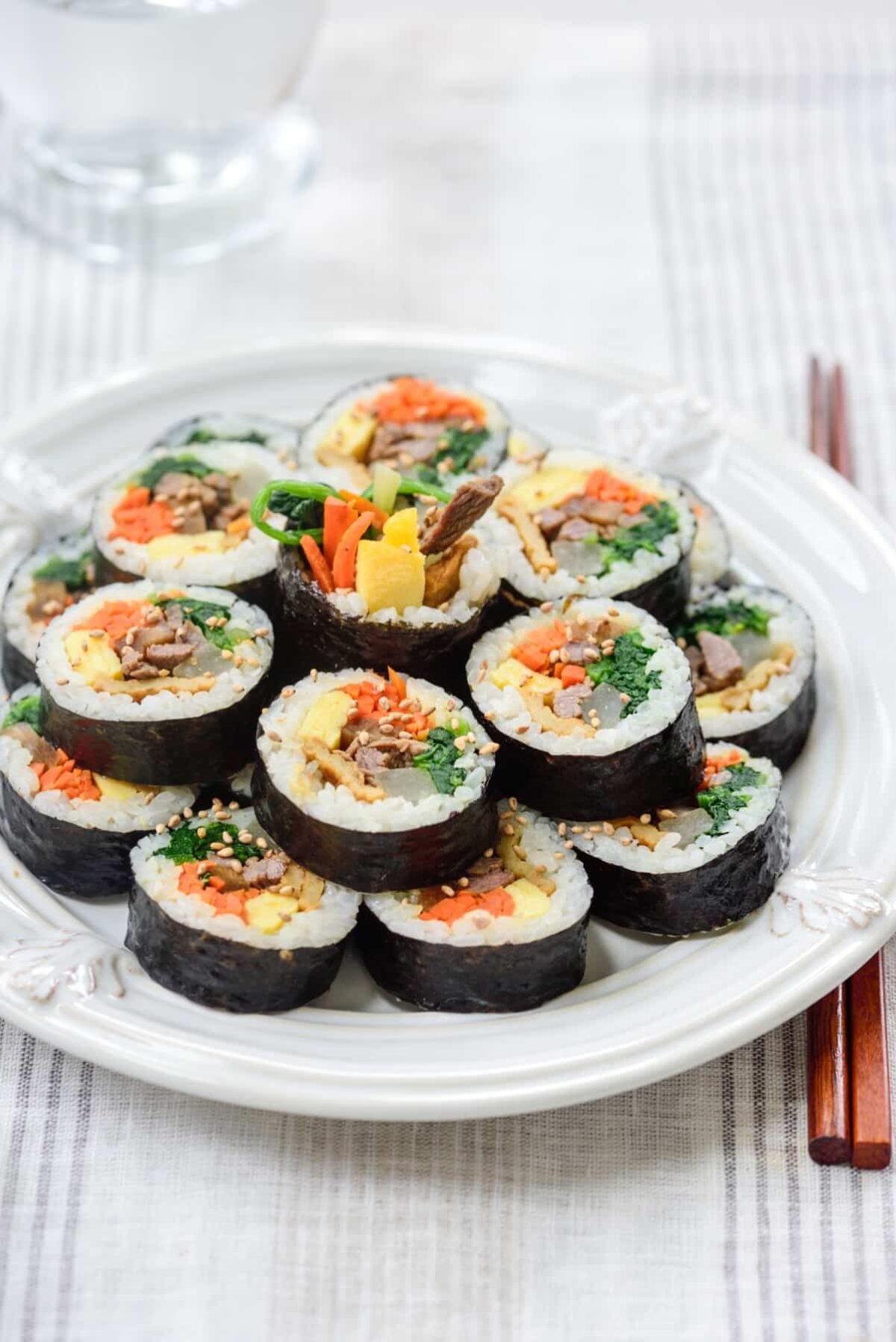
김밥
Korean Seaweed Rice Rolls
Picnics, packed lunches, everyday snack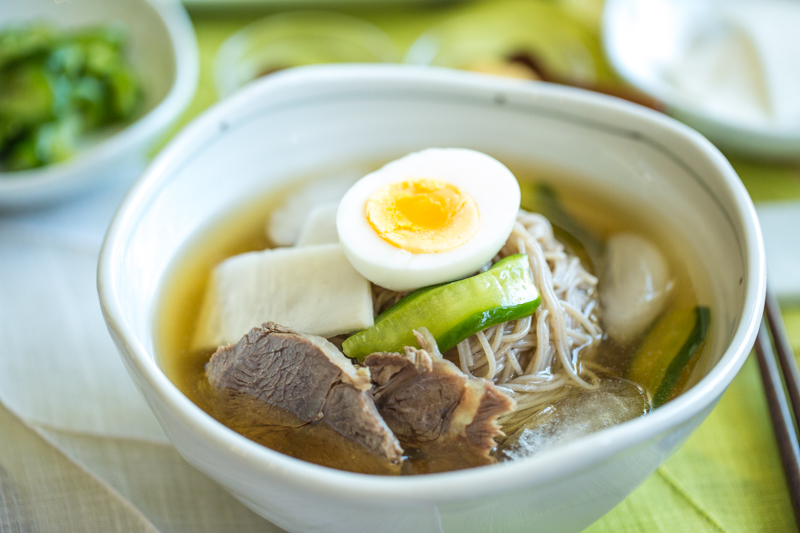 Medium
📜 Story
Medium
📜 Story
냉면
Cold Buckwheat Noodles
Summer, hot weather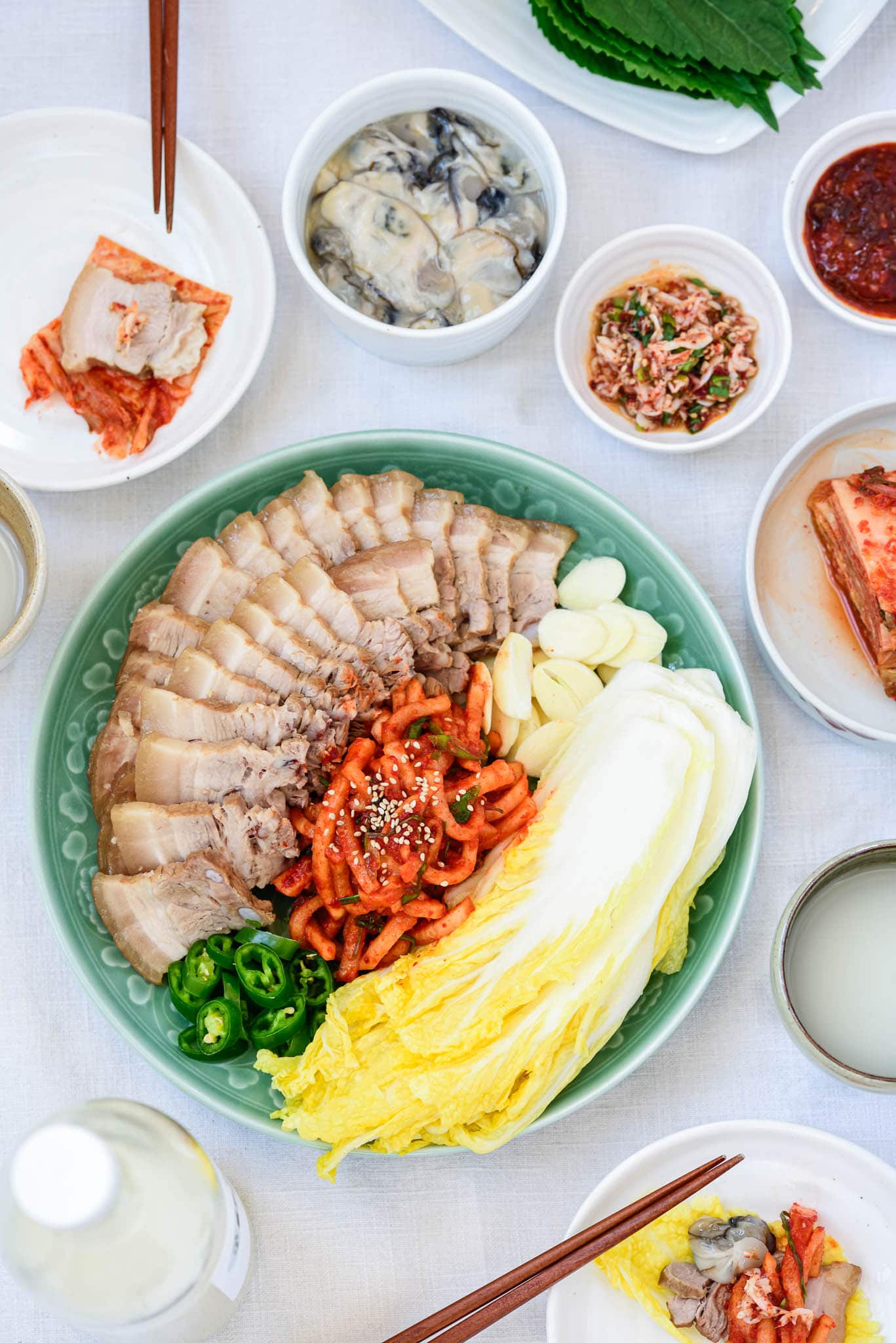 Medium
📜 Story
Medium
📜 Story
보쌈
Boiled Beef Lettuce Wraps
Dinner, celebration, kimjang (kimchi-making) season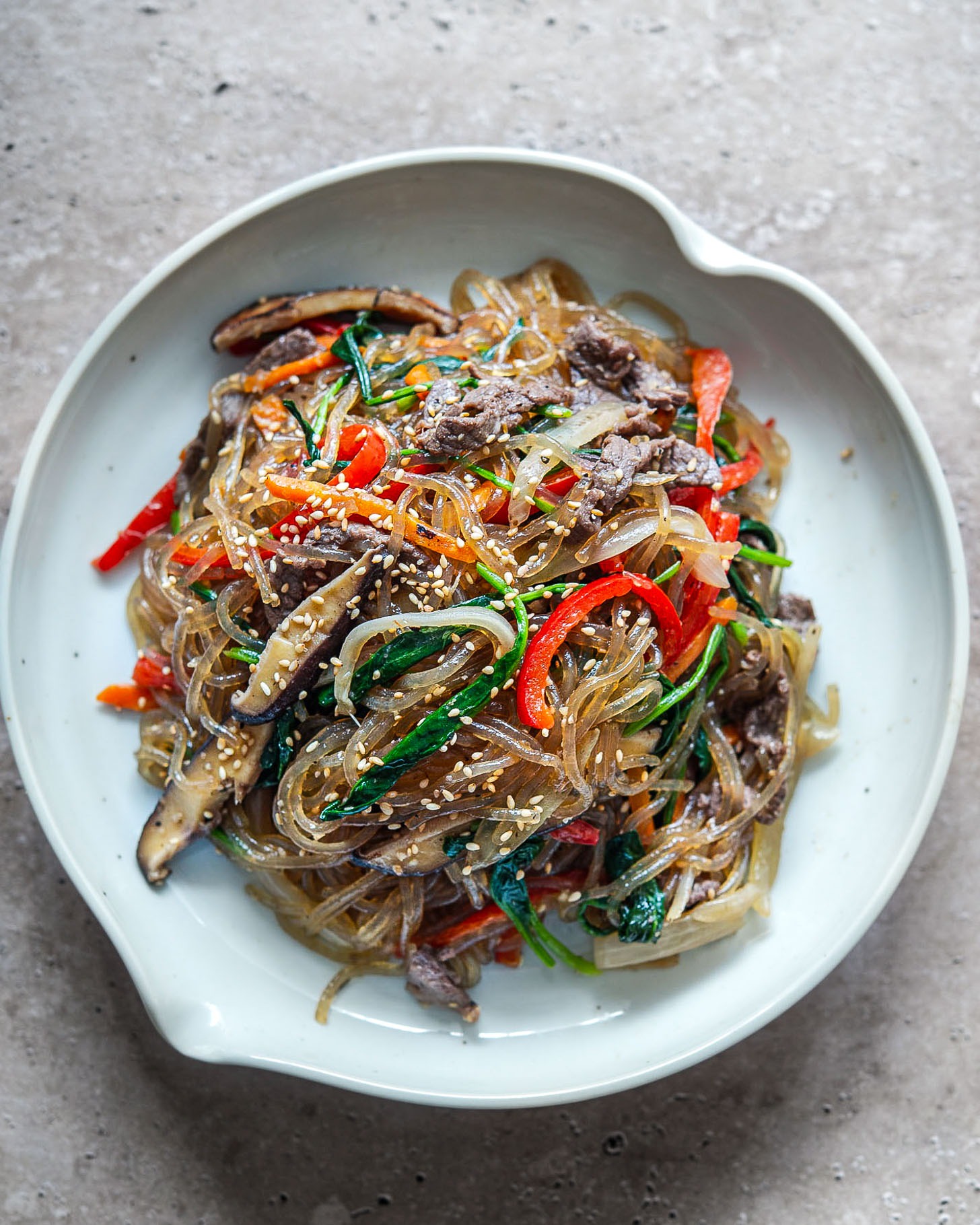 Medium
📜 Story
Medium
📜 Story
잡채
Japchae
Celebrations, holidays, and dinner
Comments (0)
Log in to leave a comment.
No comments yet. Be the first to share your thoughts!