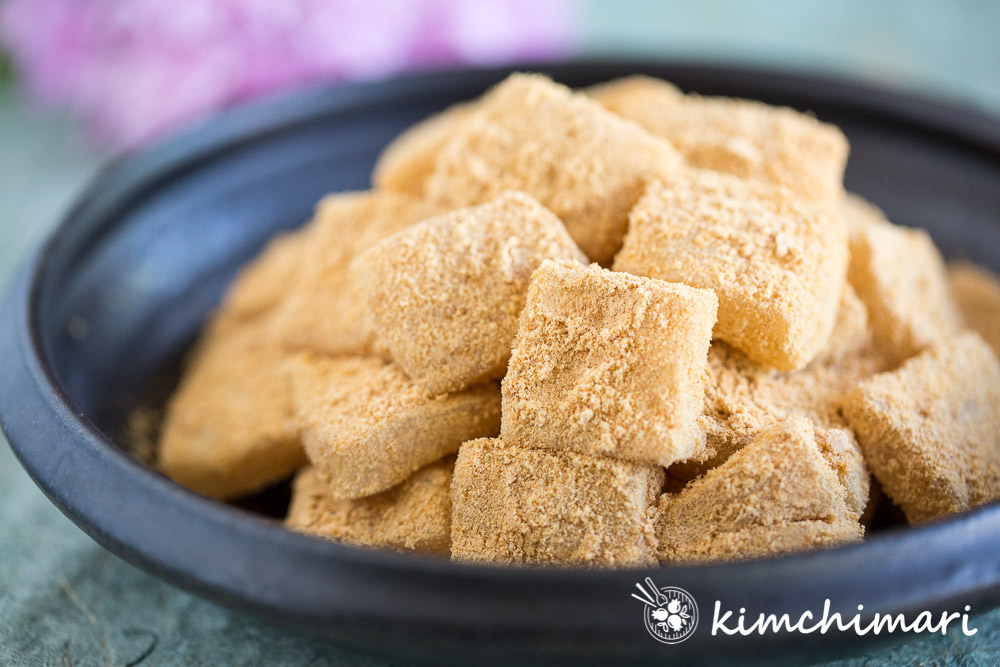
Chewy pounded glutinous rice cakes coated in a fragrant blanket of roasted soybean powder, subtly sweet and with a satisfying mochi-like texture that is uniquely Korean.
Nutrition & Info
Allergen Warnings
Equipment Needed
Presentation Guide
Vessel: traditional lacquer plate
Garnishes: extra soybean powder, pine nuts
Accompaniments: Korean tea (nokcha or boricha)
Instructions
-
1
If using soaked rice, steam for 30 minutes until fully cooked. If using flour, mix with warm water, sugar, and salt into a dough and steam for 20 minutes.
-
2
While hot, pound the steamed rice vigorously with a mortar and pestle (or use a stand mixer with a dough hook) until it becomes smooth, elastic, and stretchy.
-
3
Mix roasted soybean powder with sugar and a pinch of salt.
-
4
Oil a cutting board lightly. Transfer the pounded rice cake onto it and spread into a rectangle about 2cm thick.
-
5
When cool enough to handle, cut into bite-sized pieces (about 3x4cm).
-
6
Roll each piece generously in the roasted soybean powder mixture until fully coated. Serve at room temperature.
Did You Know?
According to legend, injeolmi was named after a Joseon scholar named Im Jeol who praised the rice cakes so enthusiastically that his name became attached to the treat forever.
Chef's Notes
Equipment Tips
- steamer
- mortar and pestle or stand mixer
- cutting board
Garnishing
extra soybean powder, pine nuts
Accompaniments
Korean tea (nokcha or boricha)
The Story Behind 인절미
Injeolmi is one of Korea's oldest and most cherished tteok (rice cake) varieties, dating to at least the Goryeo Dynasty (918-1392). The act of pounding rice is deeply symbolic in Korean culture, representing communal effort and celebration. Injeolmi is an essential food during Chuseok, Seollal, and weddings, and has recently surged in modern popularity as a flavor for lattes, ice cream, and toast.
More South Korean Dishes
 Medium
📜 Story
Medium
📜 Story
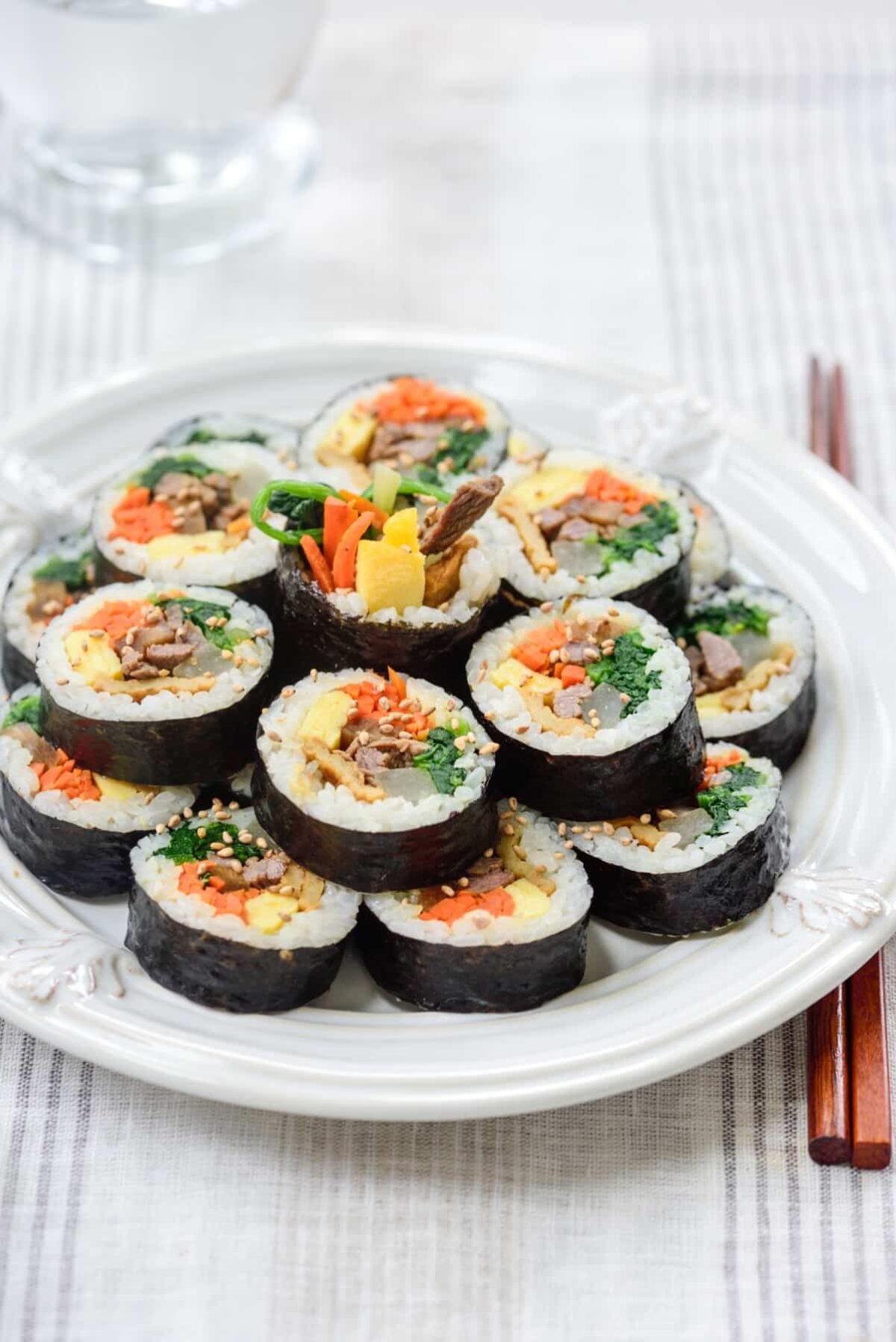
김밥
Korean Seaweed Rice Rolls
Picnics, packed lunches, everyday snack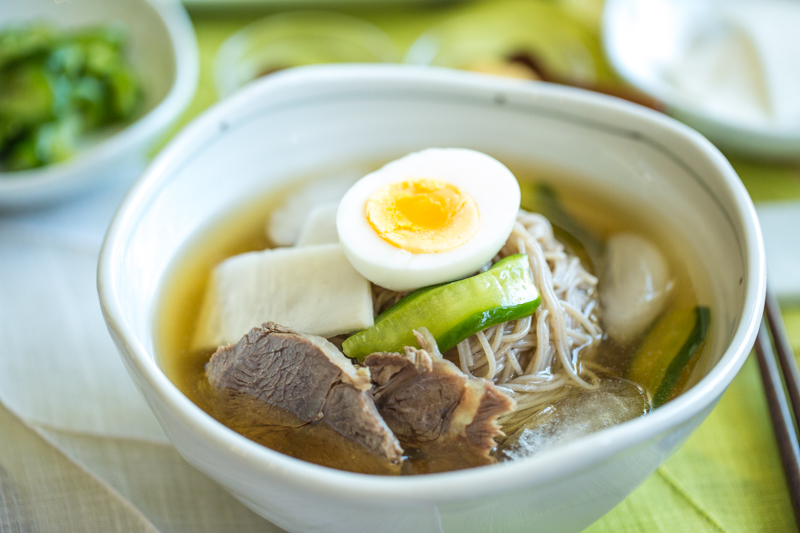 Medium
📜 Story
Medium
📜 Story
냉면
Cold Buckwheat Noodles
Summer, hot weather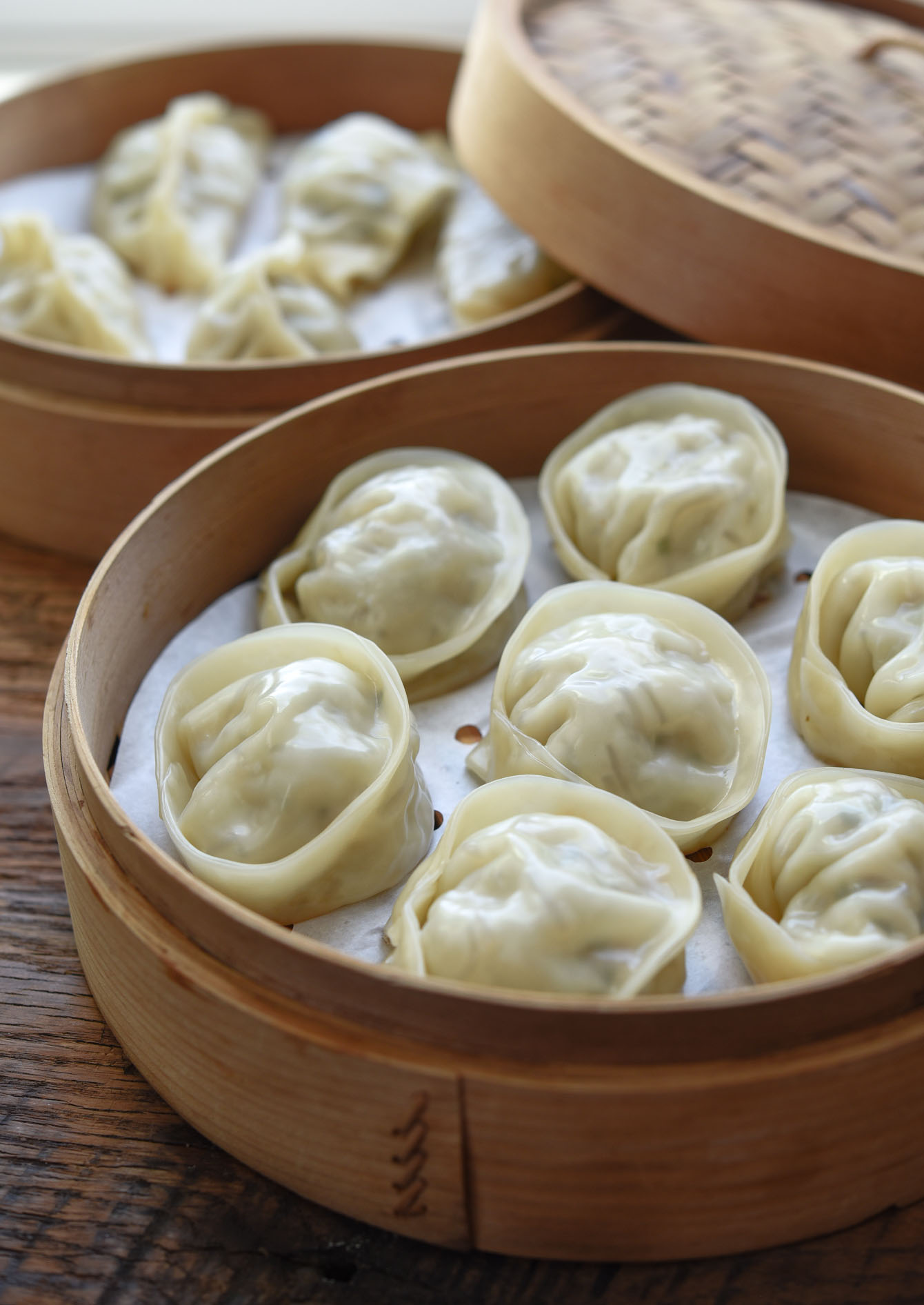 Medium
📜 Story
Medium
📜 Story
만두
Korean Dumplings
Seollal (Lunar New Year), everyday snack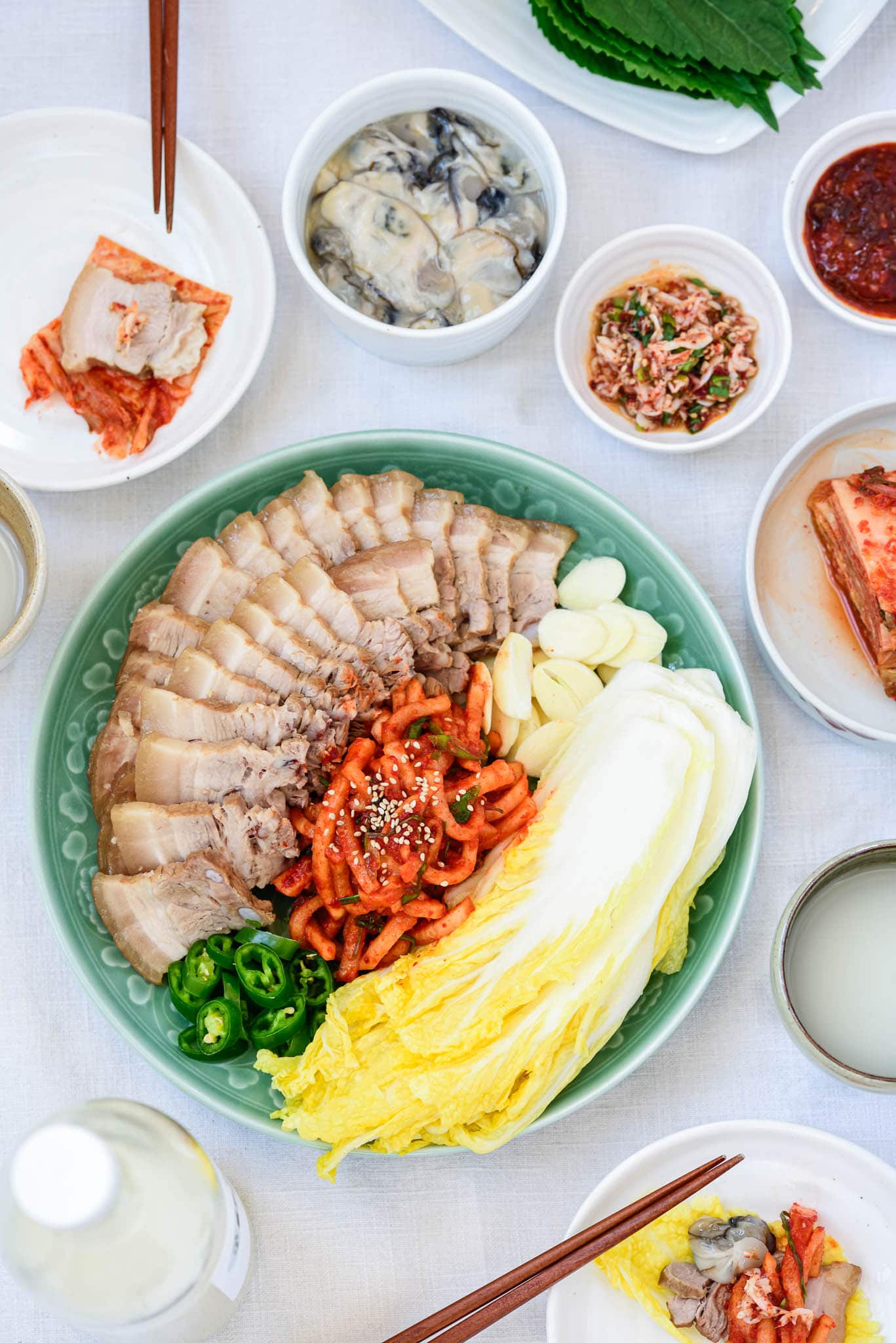 Medium
📜 Story
Medium
📜 Story
보쌈
Boiled Beef Lettuce Wraps
Dinner, celebration, kimjang (kimchi-making) season
Comments (0)
Log in to leave a comment.
No comments yet. Be the first to share your thoughts!