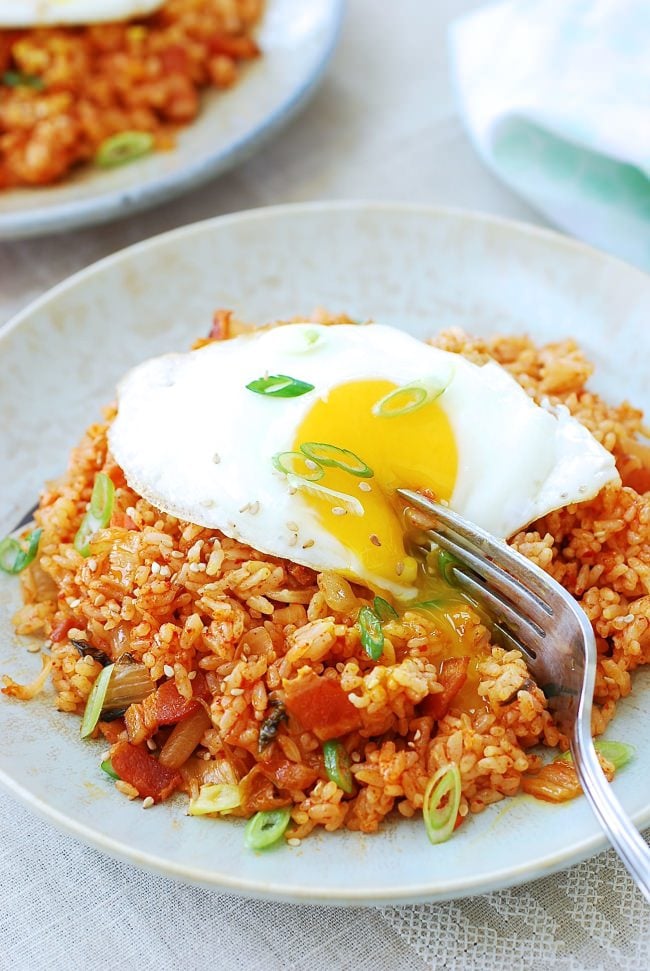
A sizzling wok of day-old rice stir-fried with well-fermented kimchi, vegetables, and sesame oil, crowned with a crispy fried egg and finished with a drizzle of gochujang.
Nutrition & Info
Allergen Warnings
Equipment Needed
Presentation Guide
Vessel: hot stone plate or bowl
Garnishes: fried egg, sesame seeds, crumbled seaweed, green onion
Accompaniments: pickled radish, soup
Instructions
-
1
Heat vegetable oil in a large wok or skillet over high heat. Sauté garlic and onion for 1 minute.
-
2
Add chopped kimchi and stir-fry for 3 minutes until slightly caramelized and fragrant.
-
3
Add day-old rice, breaking up any clumps. Stir-fry for 3-4 minutes until rice is heated through and coated.
-
4
Add kimchi juice, gochujang, and soy sauce. Toss vigorously to coat evenly.
-
5
Push rice to the side, drizzle sesame oil, and fry eggs sunny-side up in the open space.
-
6
Plate the fried rice, top with the fried egg, and garnish with green onions, sesame seeds, and crumbled seaweed.
Did You Know?
The best kimchi fried rice is always made with well-aged, sour kimchi that is past its prime for eating fresh — a perfect example of Korean zero-waste cooking.
Chef's Notes
Equipment Tips
- wok or large skillet
- rice paddle
Garnishing
fried egg, sesame seeds, crumbled seaweed, green onion
Accompaniments
pickled radish, soup
The Story Behind 김치볶음밥
Kimchi fried rice emerged as a quintessential Korean comfort food in the 20th century, born from the practical need to use up overripe kimchi and leftover rice. It represents the Korean ingenuity of transforming humble leftovers into deeply satisfying meals. Today it is one of the most commonly cooked dishes in Korean homes.
More South Korean Dishes
 Medium
📜 Story
Medium
📜 Story
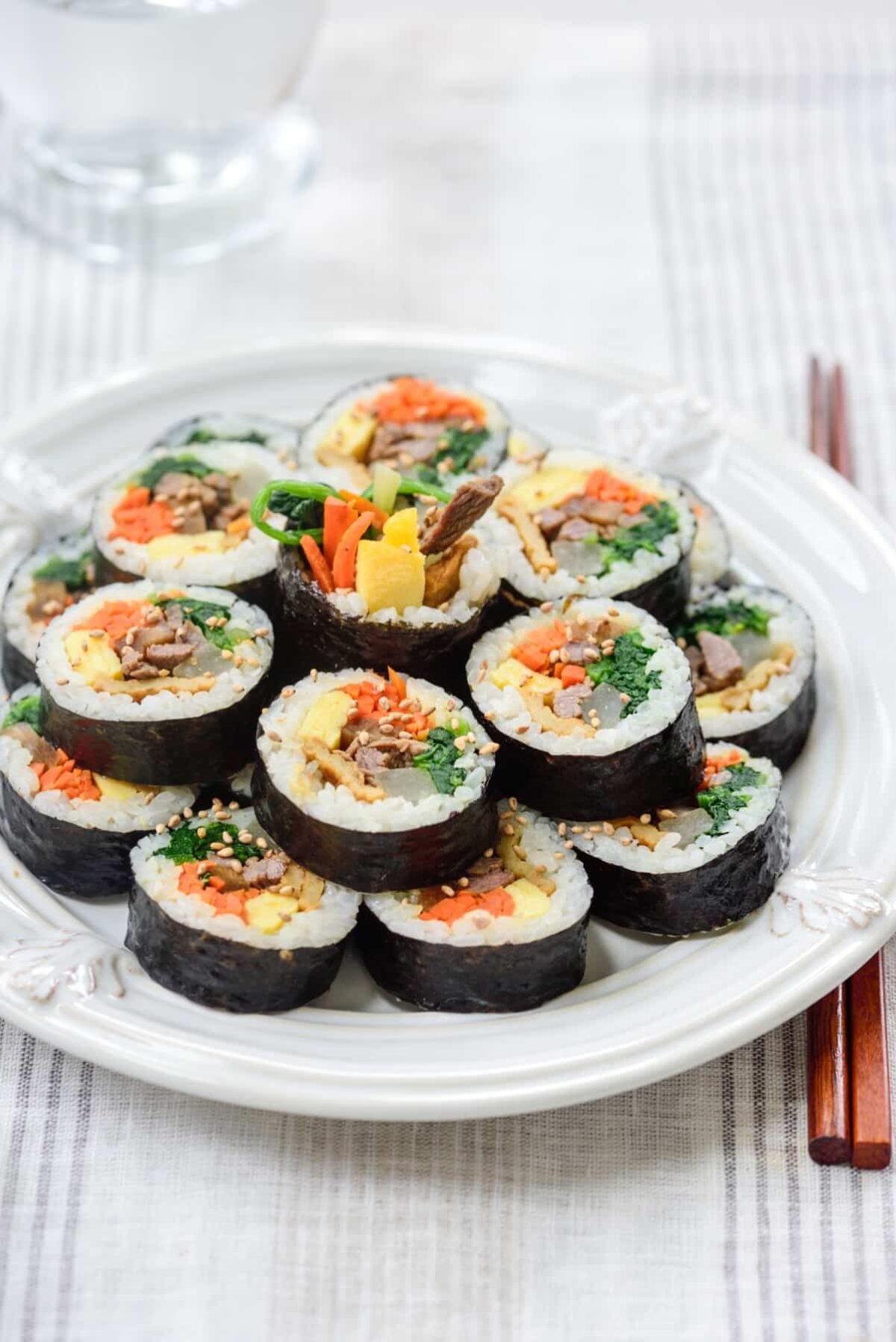
김밥
Korean Seaweed Rice Rolls
Picnics, packed lunches, everyday snack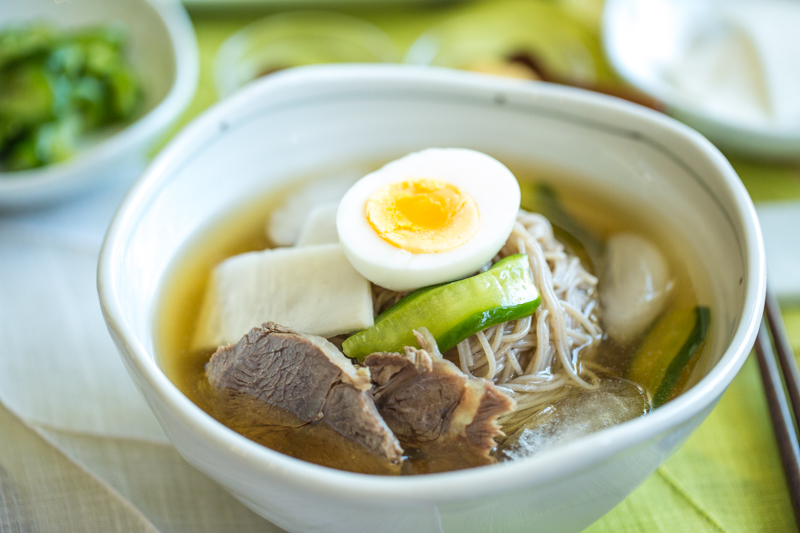 Medium
📜 Story
Medium
📜 Story
냉면
Cold Buckwheat Noodles
Summer, hot weather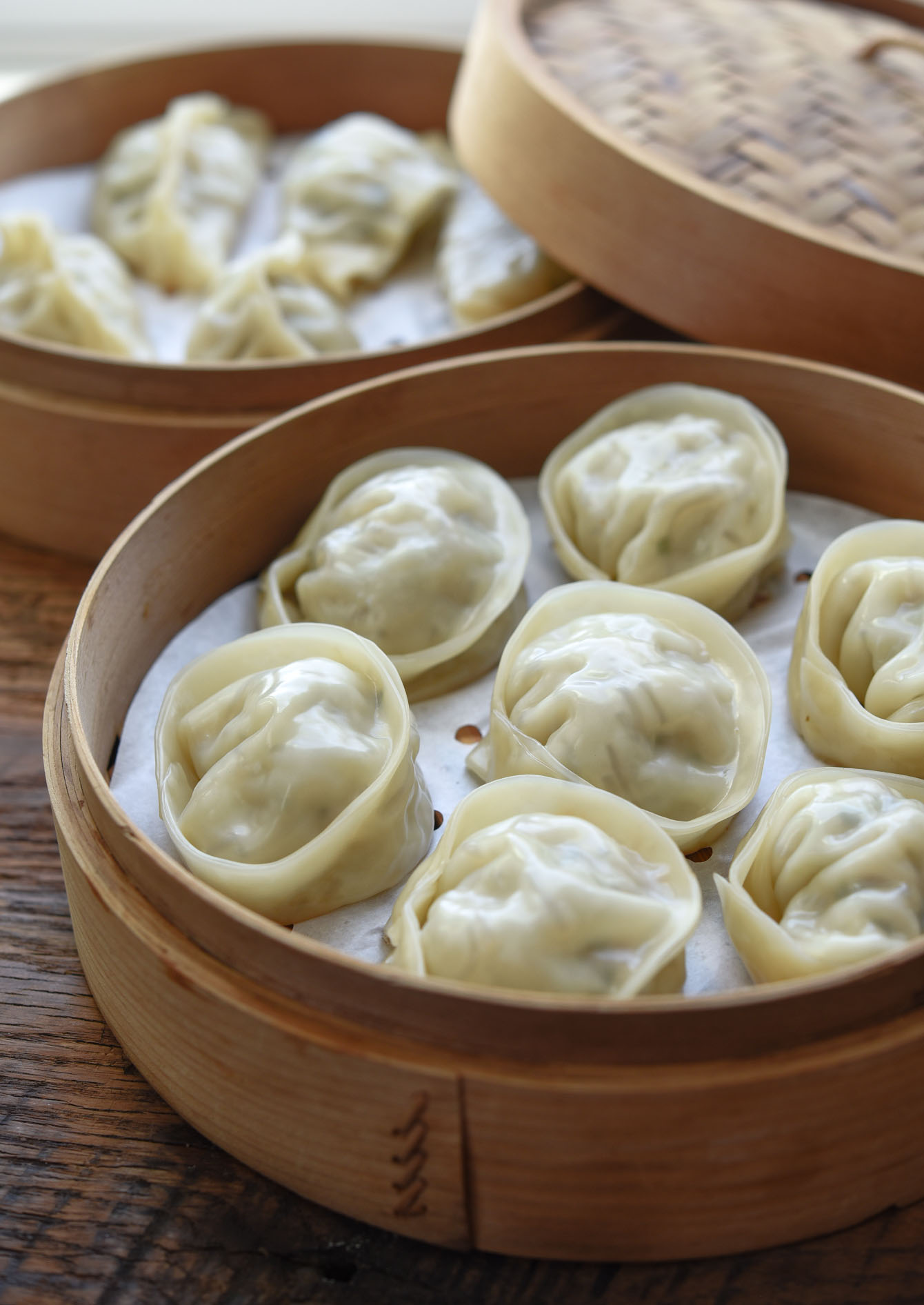 Medium
📜 Story
Medium
📜 Story
만두
Korean Dumplings
Seollal (Lunar New Year), everyday snack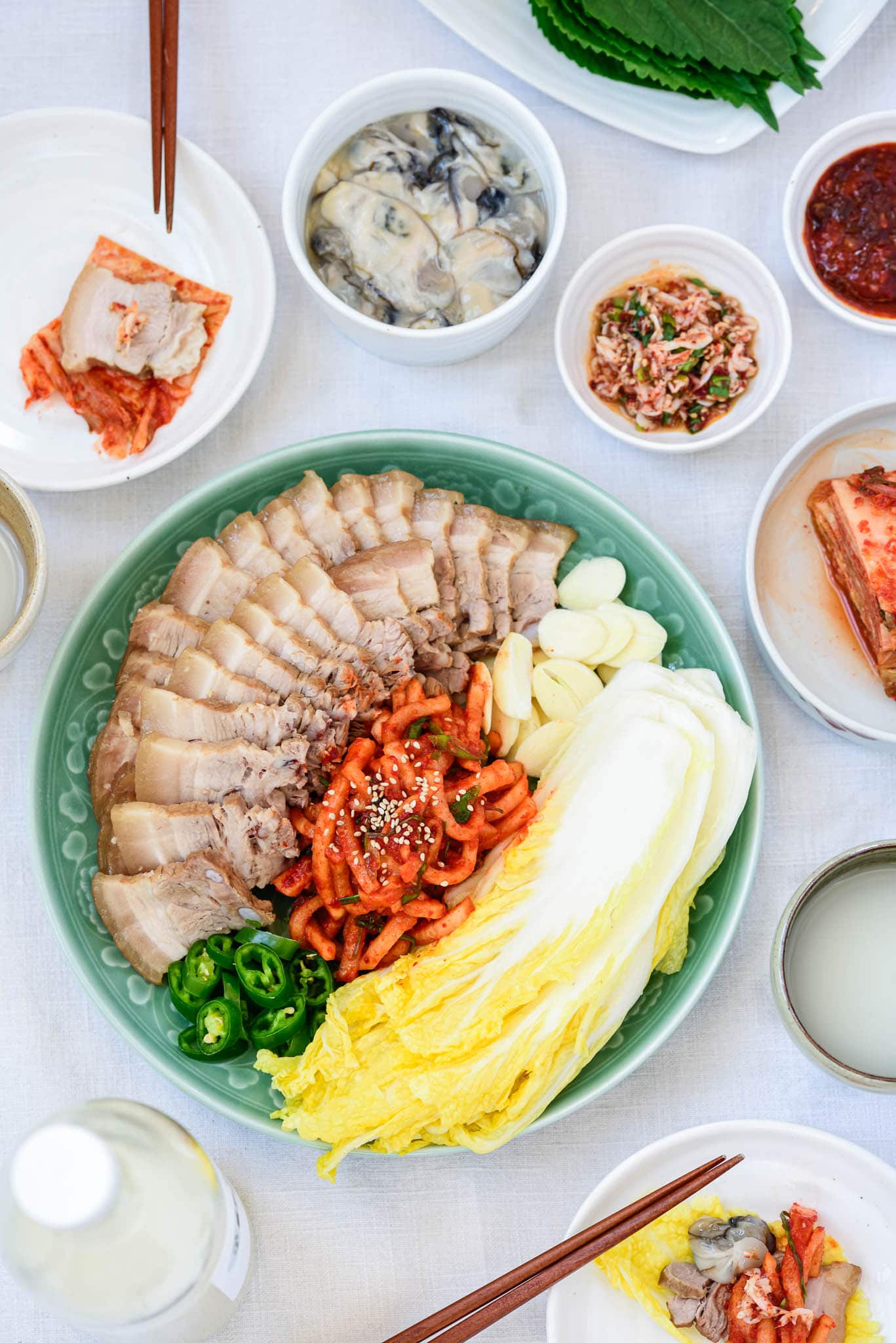 Medium
📜 Story
Medium
📜 Story
보쌈
Boiled Beef Lettuce Wraps
Dinner, celebration, kimjang (kimchi-making) season
Comments (0)
Log in to leave a comment.
No comments yet. Be the first to share your thoughts!