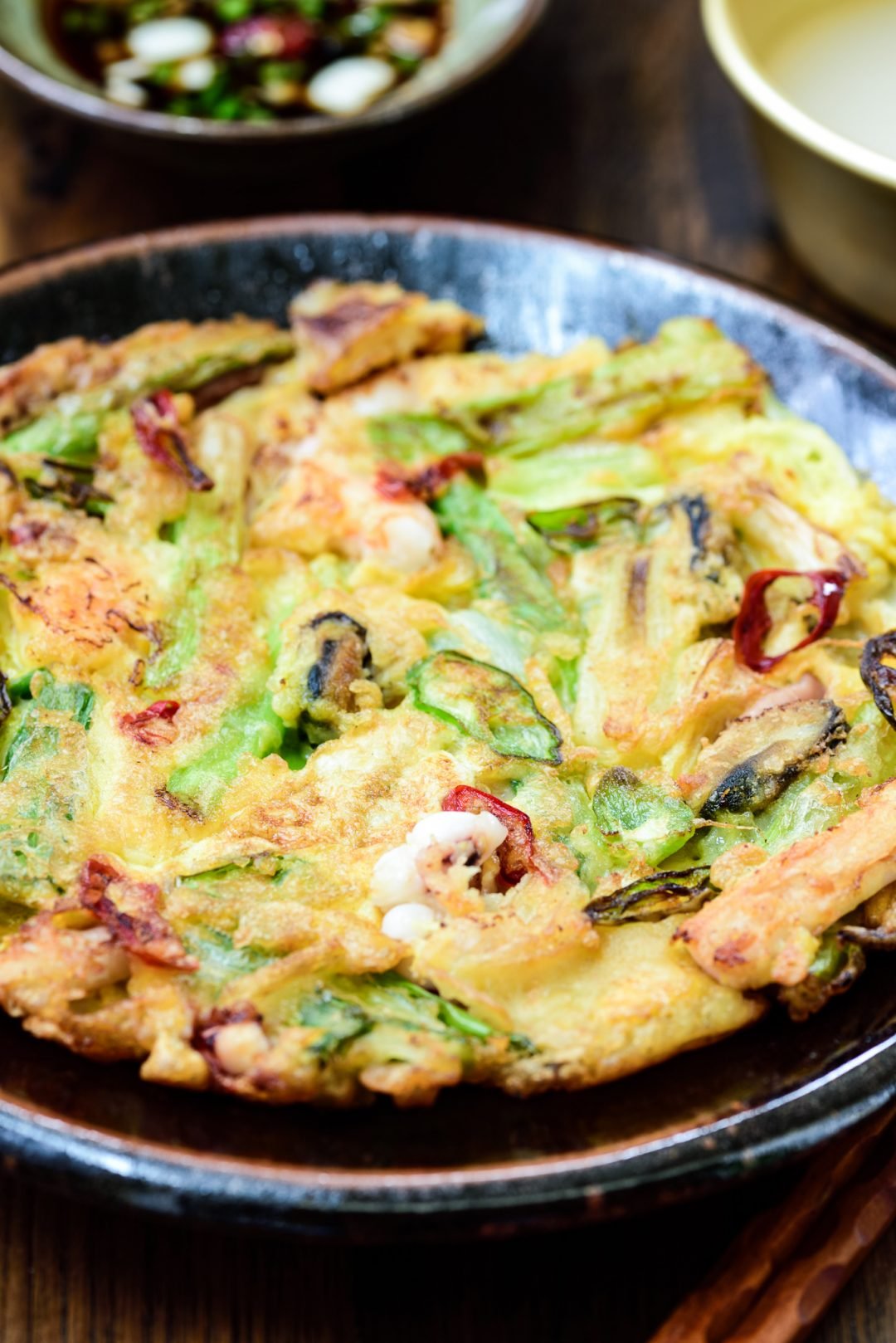
A crispy, golden Korean pancake loaded with whole scallions, shrimp, squid, and clams, shatteringly crunchy on the outside and chewy within, served with tangy soy dipping sauce.
Nutrition & Info
Allergen Warnings
Equipment Needed
Presentation Guide
Vessel: wooden cutting board
Garnishes: sesame seeds, sliced chili
Accompaniments: soy dipping sauce, makgeolli (rice wine)
Instructions
-
1
Whisk all-purpose flour, rice flour, egg, ice-cold water, and salt into a thin batter. Do not overmix — some lumps are fine.
-
2
Heat 2 tablespoons oil in a large non-stick skillet over medium-high heat.
-
3
Lay the scallions across the pan in a single layer, pour batter evenly over them.
-
4
Immediately scatter shrimp, squid, and clams across the surface, pressing them gently into the batter.
-
5
Cook for 4-5 minutes until the bottom is deeply golden and crisp. Drizzle remaining oil around the edges.
-
6
Flip carefully and cook the other side for 3-4 minutes until crispy. Slide onto a cutting board and cut into pieces.
-
7
Mix dipping sauce ingredients and serve alongside the hot pajeon.
Did You Know?
There is a Korean saying: "When it rains, pajeon and makgeolli" — the sizzling sound of pajeon cooking is said to mimic the sound of rain.
Chef's Notes
Equipment Tips
- large non-stick skillet
- mixing bowl
- spatula
Garnishing
sesame seeds, sliced chili
Accompaniments
soy dipping sauce, makgeolli (rice wine)
The Story Behind 해물파전
Pajeon dates to the Joseon Dynasty and was originally served as a ceremonial food during jesa (ancestral rites) and seasonal festivals. The seafood version, haemul pajeon, became the most popular variety, especially in coastal regions like Tongyeong and Busan. The tradition of eating pajeon on rainy days is deeply embedded in Korean culture.
More South Korean Dishes
 Medium
📜 Story
Medium
📜 Story
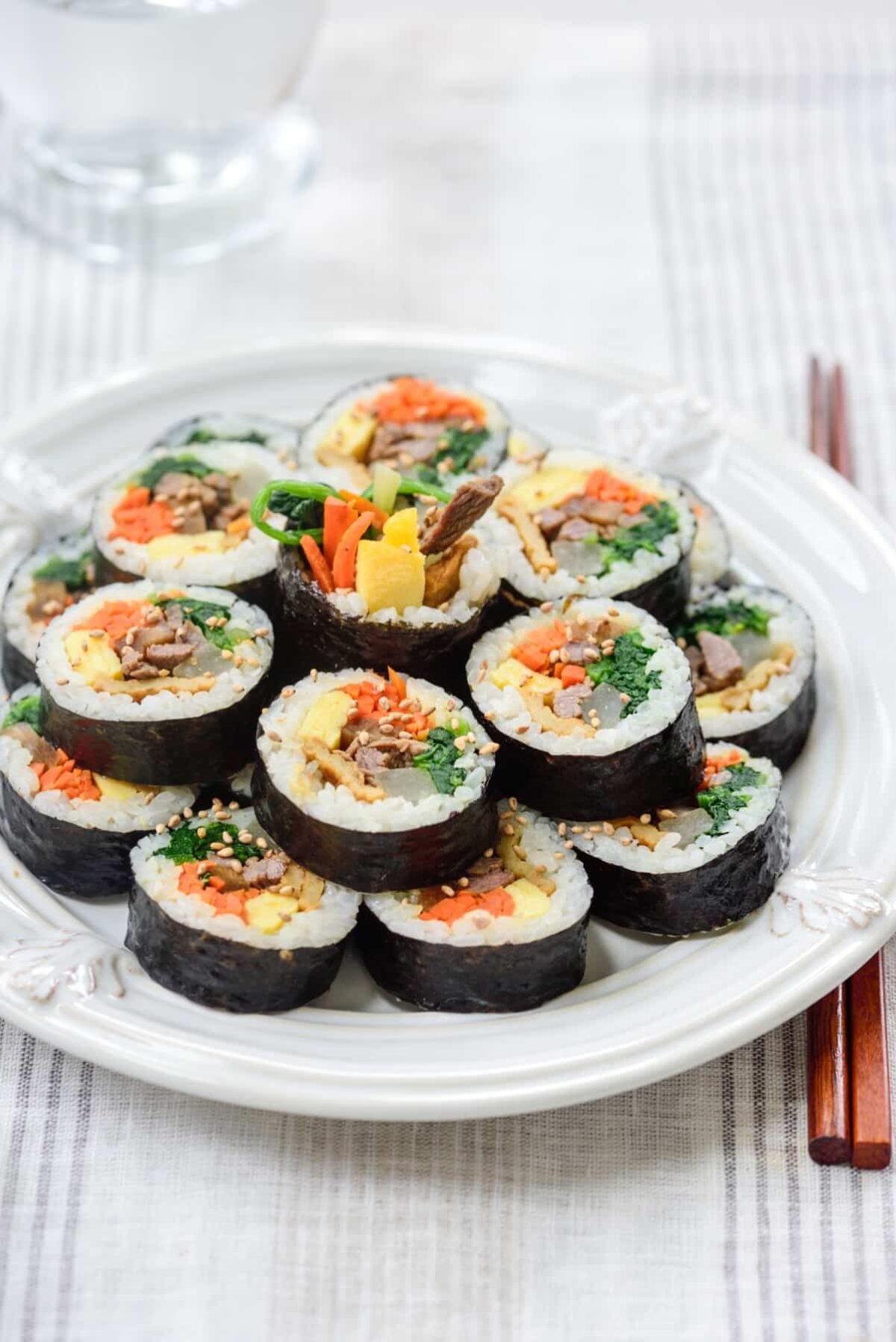
김밥
Korean Seaweed Rice Rolls
Picnics, packed lunches, everyday snack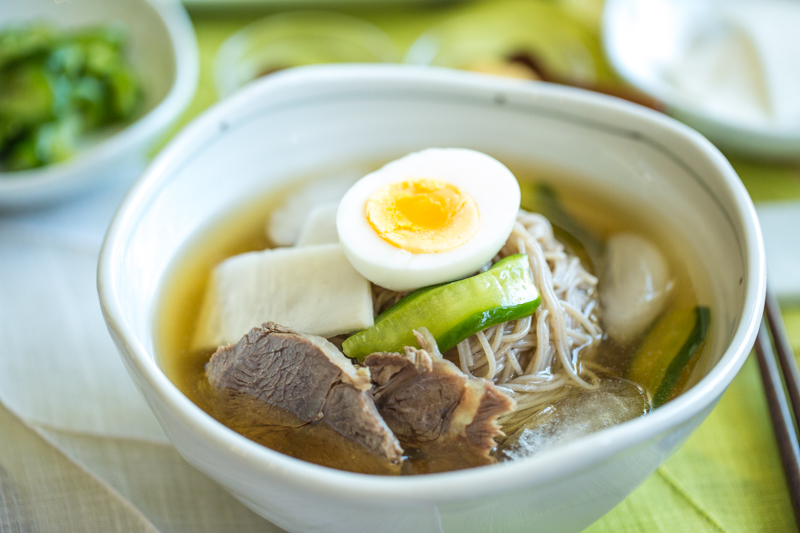 Medium
📜 Story
Medium
📜 Story
냉면
Cold Buckwheat Noodles
Summer, hot weather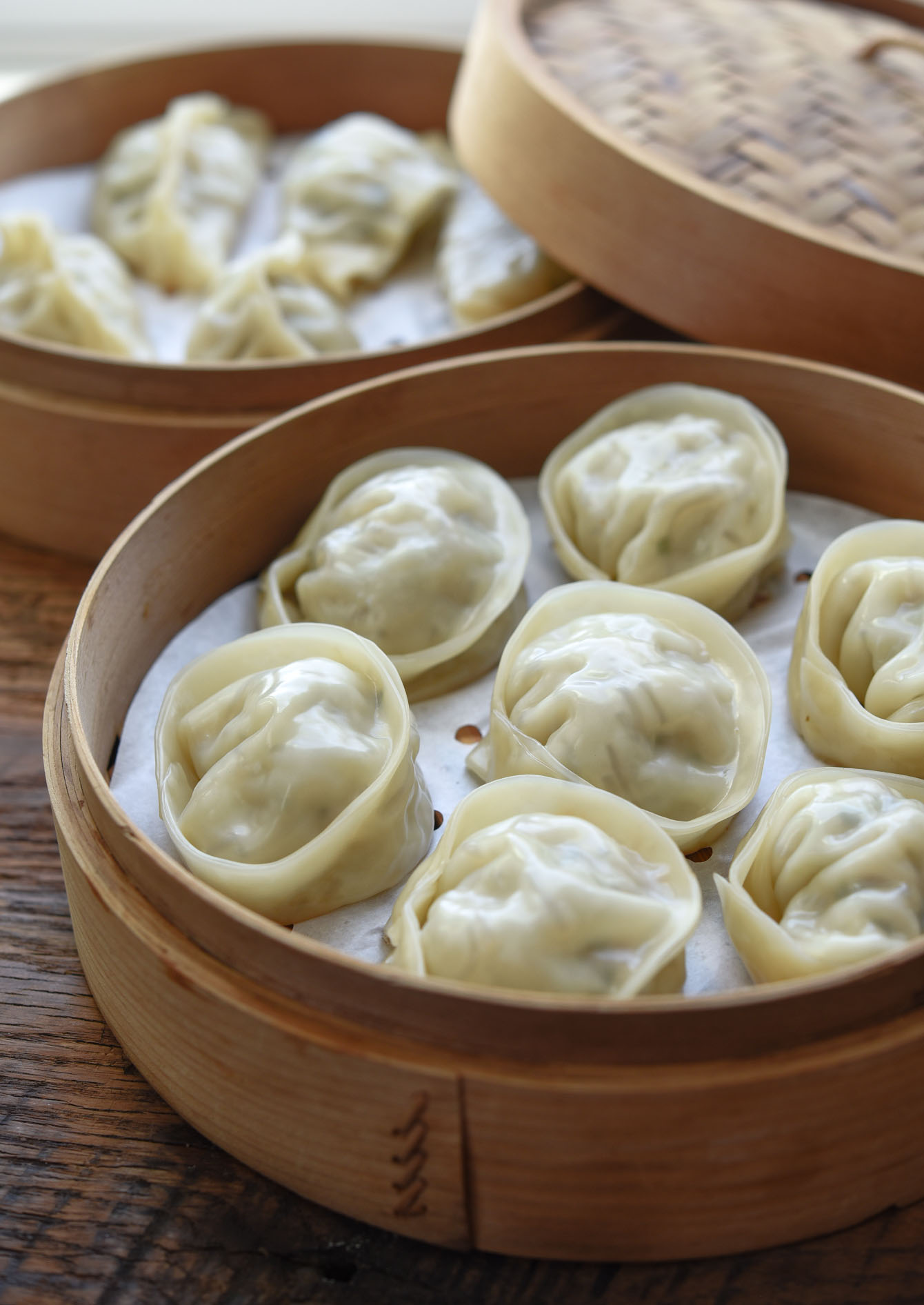 Medium
📜 Story
Medium
📜 Story
만두
Korean Dumplings
Seollal (Lunar New Year), everyday snack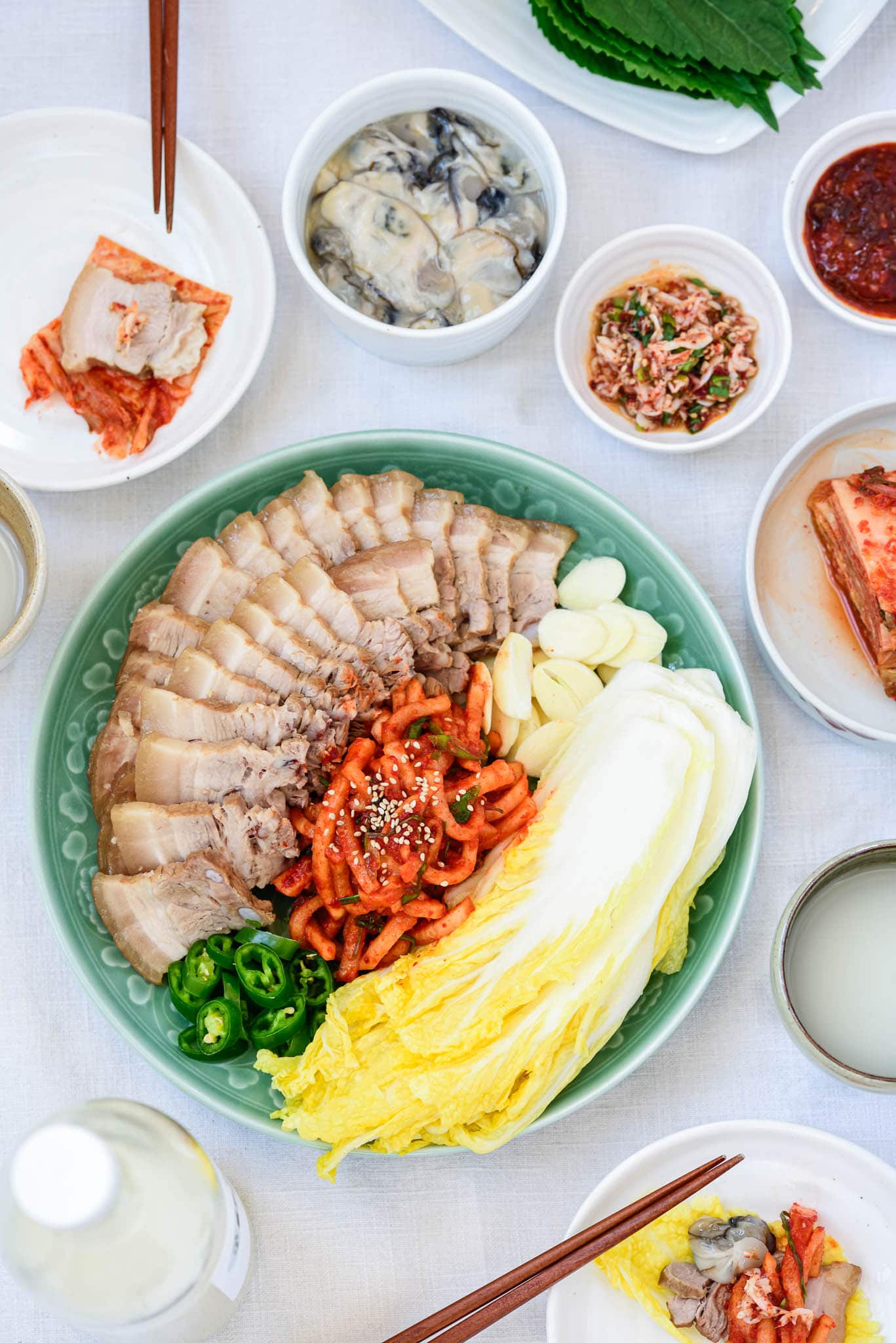 Medium
📜 Story
Medium
📜 Story
보쌈
Boiled Beef Lettuce Wraps
Dinner, celebration, kimjang (kimchi-making) season
Comments (0)
Log in to leave a comment.
No comments yet. Be the first to share your thoughts!