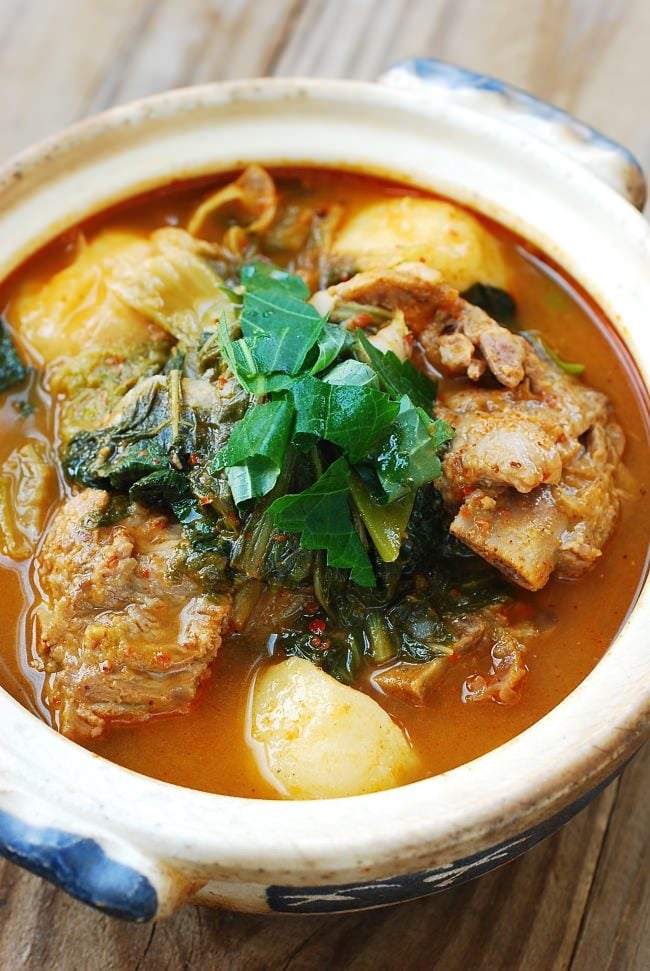
A hearty, brick-red stew of tender potatoes, vegetables, and perilla leaves simmered in a rich, spicy broth thickened with doenjang and gochugaru — a soul-warming Korean comfort classic.
Nutrition & Info
Allergen Warnings
Equipment Needed
Presentation Guide
Vessel: large ttukbaegi or cast iron pot
Garnishes: perilla leaves, sesame seeds, green onion
Accompaniments: steamed rice, kimchi, soju
Instructions
-
1
Soak beef bones or ribs in cold water for 1 hour to draw out blood. Drain and blanch in boiling water for 5 minutes. Drain and rinse.
-
2
Place blanched beef in a large pot with fresh water, onion, and half the garlic. Bring to a boil, reduce heat, and simmer for 1 hour until meat is tender.
-
3
Remove onion. Add gochugaru, gochujang, doenjang, soy sauce, and remaining garlic. Stir well.
-
4
Add potatoes and cook for 20 minutes until nearly tender.
-
5
Add napa cabbage and cook for 5 more minutes.
-
6
Stir in perilla leaves and green onions. Simmer for 2 more minutes. Season with salt and pepper.
-
7
Serve in the pot, sprinkled with sesame seeds and additional perilla leaves.
Did You Know?
Although gamja means potato, the name may actually derive from gamja-gol, referring to the area near the neck bones traditionally used, making the name a centuries-old pun.
Chef's Notes
Equipment Tips
- large heavy pot
- ladle
Garnishing
perilla leaves, sesame seeds, green onion
Accompaniments
steamed rice, kimchi, soju
The Story Behind 감자탕
Gamja-tang is a beloved Korean stew that became widely popular in the 20th century, particularly as a late-night dish served at 24-hour restaurants. The combination of starchy potatoes, spicy broth, and tender meat makes it the ultimate comfort food. The perilla leaves (kkaennip) add a distinctly Korean herbal note that sets this stew apart from other Asian cuisines.
More South Korean Dishes
 Medium
📜 Story
Medium
📜 Story
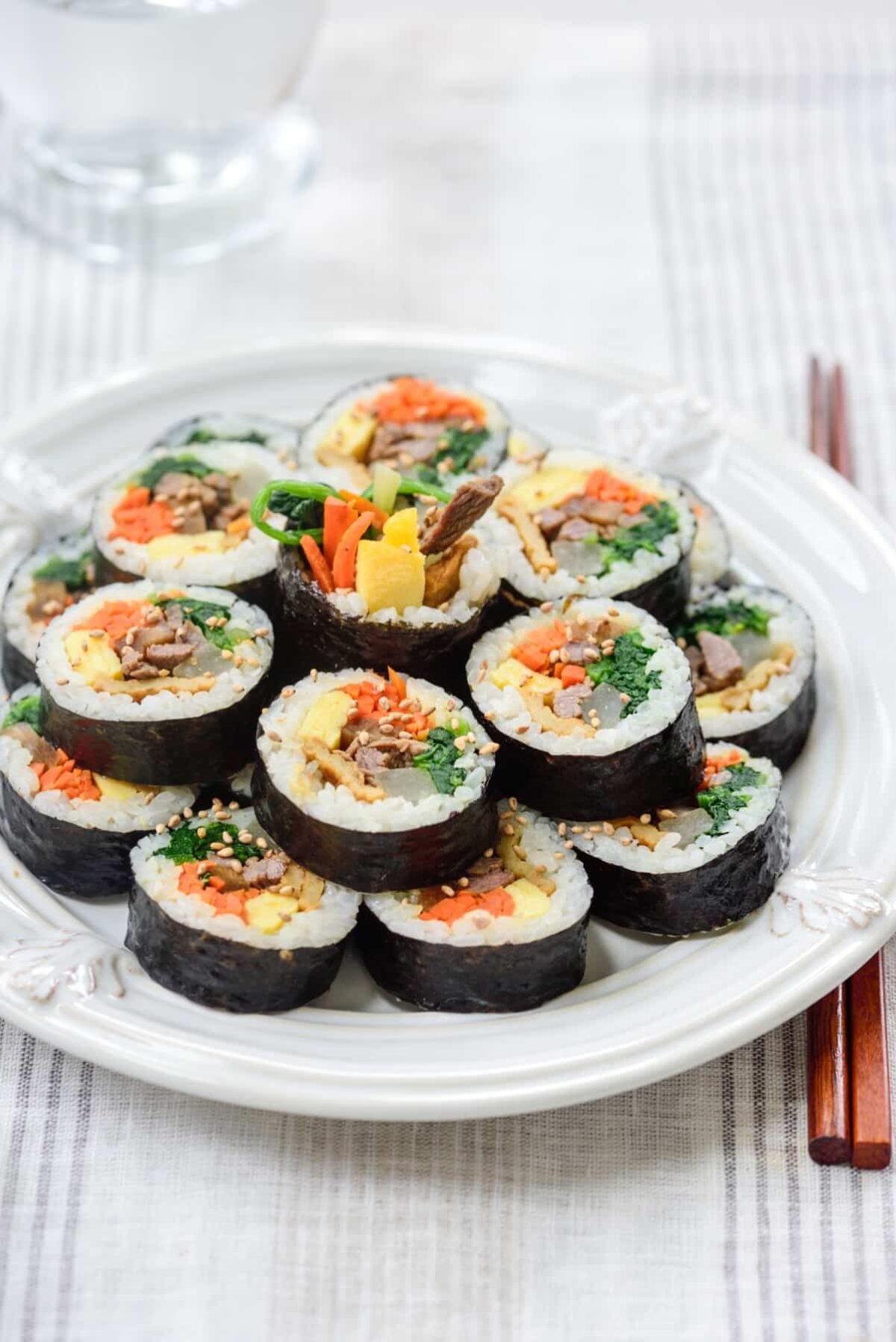
김밥
Korean Seaweed Rice Rolls
Picnics, packed lunches, everyday snack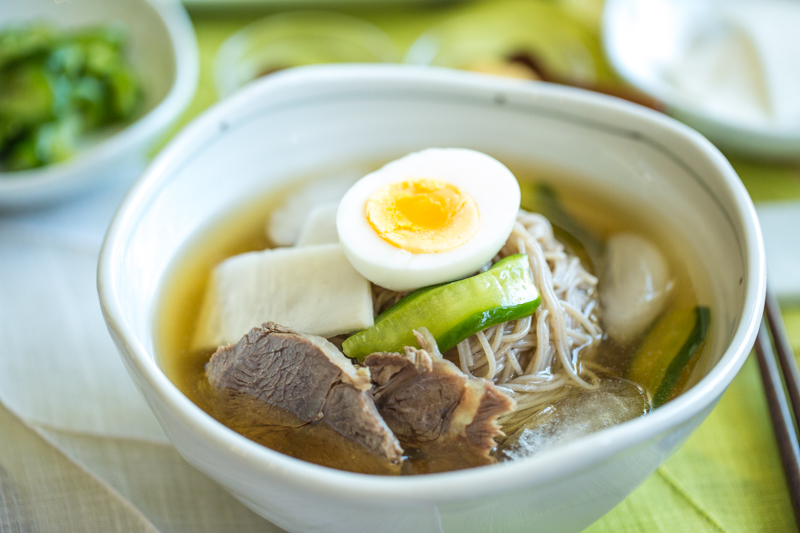 Medium
📜 Story
Medium
📜 Story
냉면
Cold Buckwheat Noodles
Summer, hot weather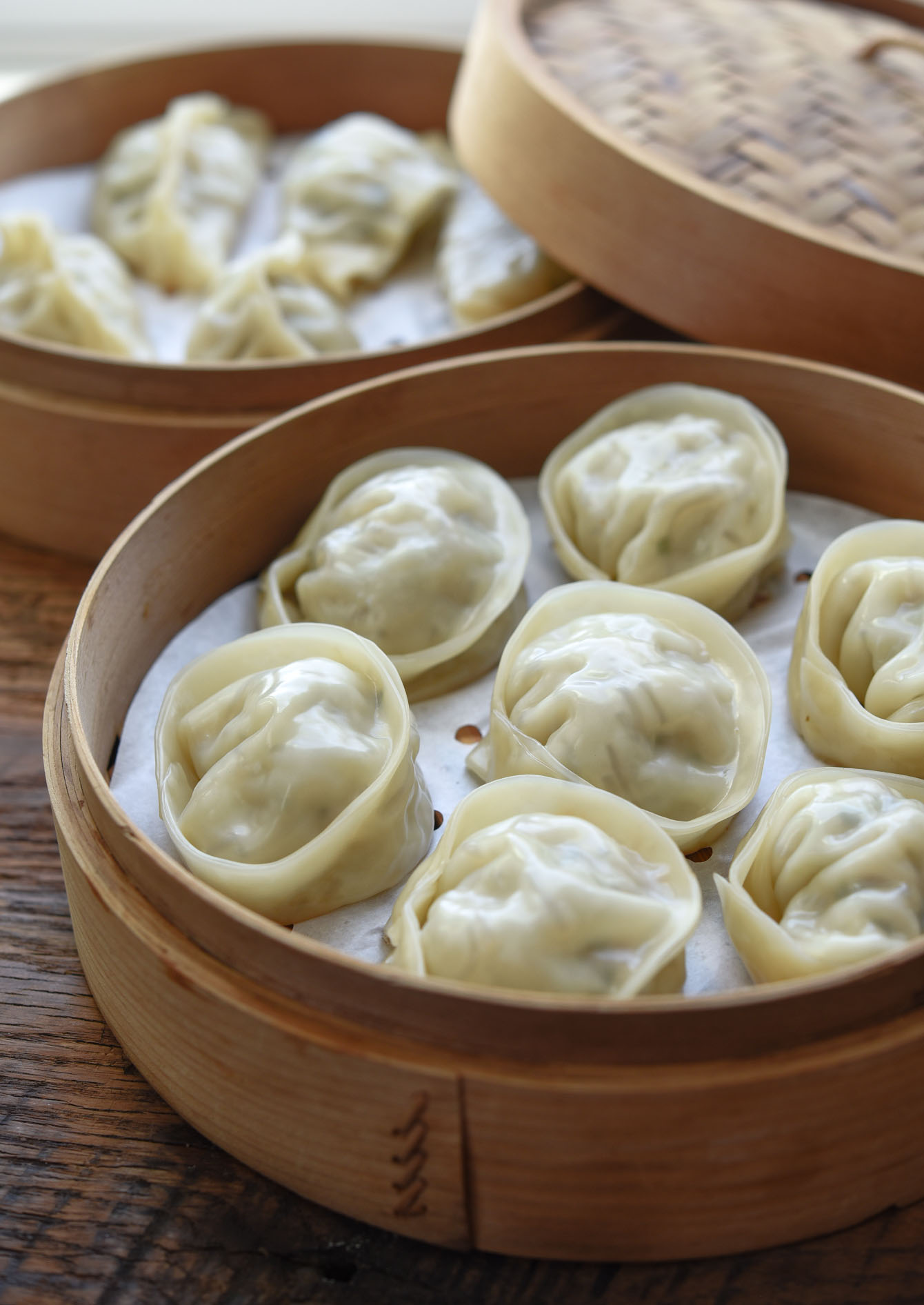 Medium
📜 Story
Medium
📜 Story
만두
Korean Dumplings
Seollal (Lunar New Year), everyday snack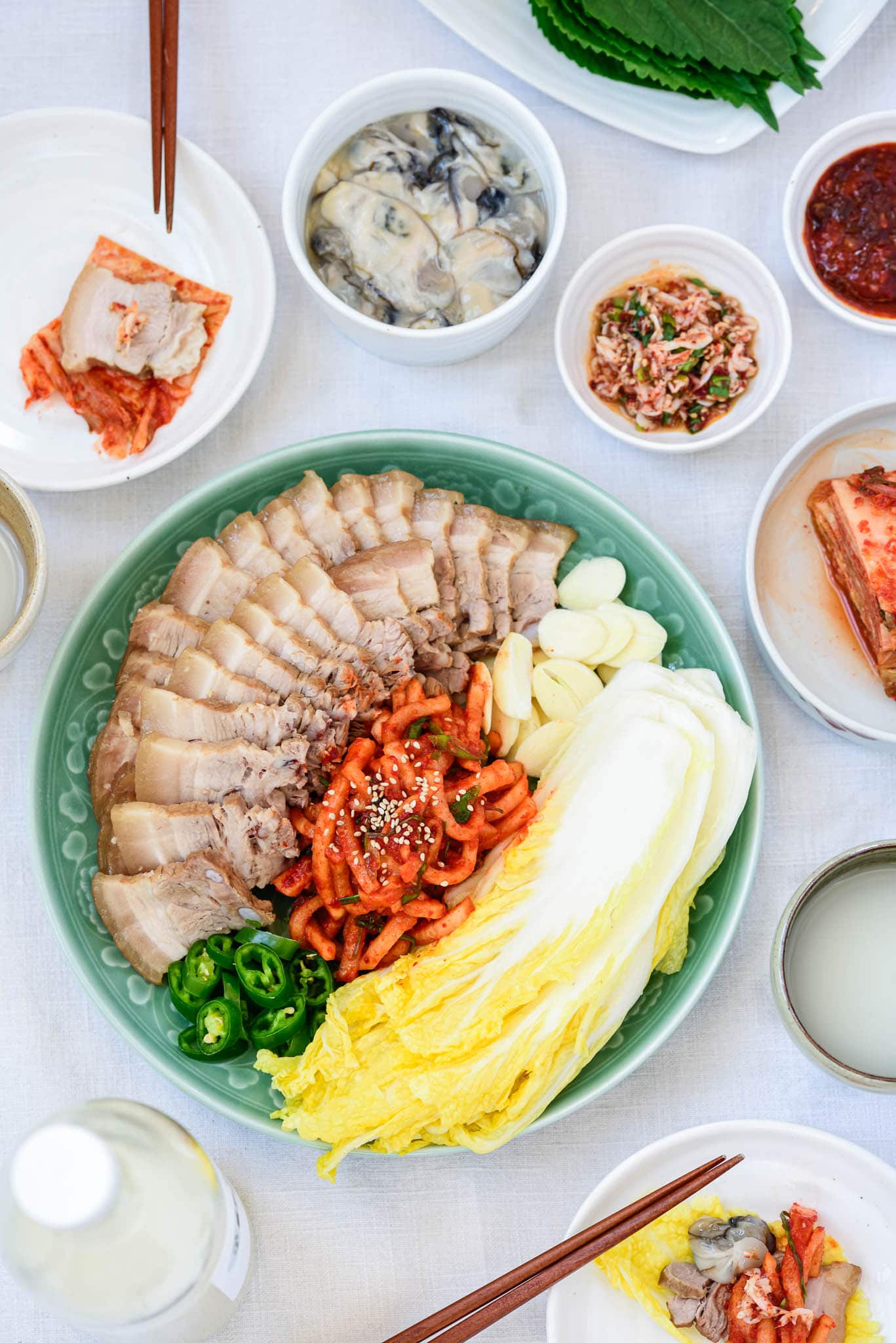 Medium
📜 Story
Medium
📜 Story
보쌈
Boiled Beef Lettuce Wraps
Dinner, celebration, kimjang (kimchi-making) season
Comments (0)
Log in to leave a comment.
No comments yet. Be the first to share your thoughts!