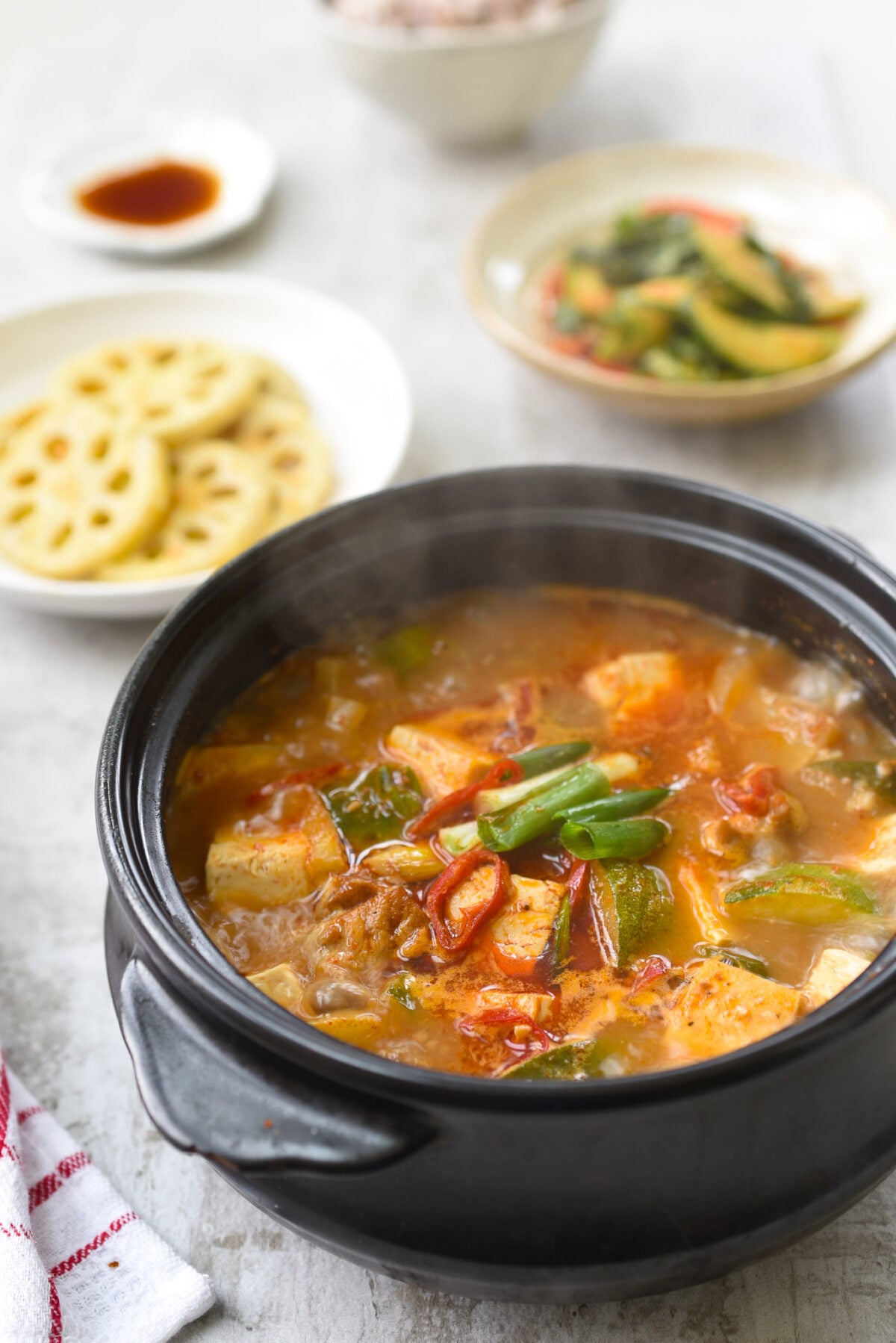
A deeply savory, earthy stew built on aged doenjang paste with tofu, zucchini, mushrooms, and chili, simmered in anchovy broth until the flavors meld into umami-rich comfort.
Nutrition & Info
Allergen Warnings
Equipment Needed
Presentation Guide
Vessel: ttukbaegi (earthenware pot)
Garnishes: green onion, chili slices
Accompaniments: steamed rice, kimchi, banchan
Instructions
-
1
Bring anchovy-kelp broth to a boil in an earthenware pot.
-
2
Add doenjang and gochugaru, stirring to dissolve the paste completely.
-
3
Add potato cubes and cook for 5 minutes until they begin to soften.
-
4
Add zucchini, mushrooms, and tofu. Simmer for 8 minutes.
-
5
Add chili slices and garlic, cook for 2 more minutes.
-
6
Finish with sliced green onion and a drizzle of sesame oil. Serve bubbling in the pot with steamed rice.
Did You Know?
Korean families traditionally made doenjang at home in large earthenware crocks called onggi, and the quality of a household was judged by the flavor of their doenjang.
Chef's Notes
Equipment Tips
- ttukbaegi (earthenware pot)
- ladle
Garnishing
green onion, chili slices
Accompaniments
steamed rice, kimchi, banchan
The Story Behind 된장찌개
Doenjang is one of Korea's most ancient fermented foods, with origins tracing to the Three Kingdoms period (57 BC-668 AD). The fermentation process, which takes months in traditional onggi pots, produces complex umami flavors. Doenjang-jjigae is considered the quintessential Korean home-cooked dish, a humble stew that graces nearly every Korean dinner table alongside rice and banchan.
More South Korean Dishes
 Medium
📜 Story
Medium
📜 Story
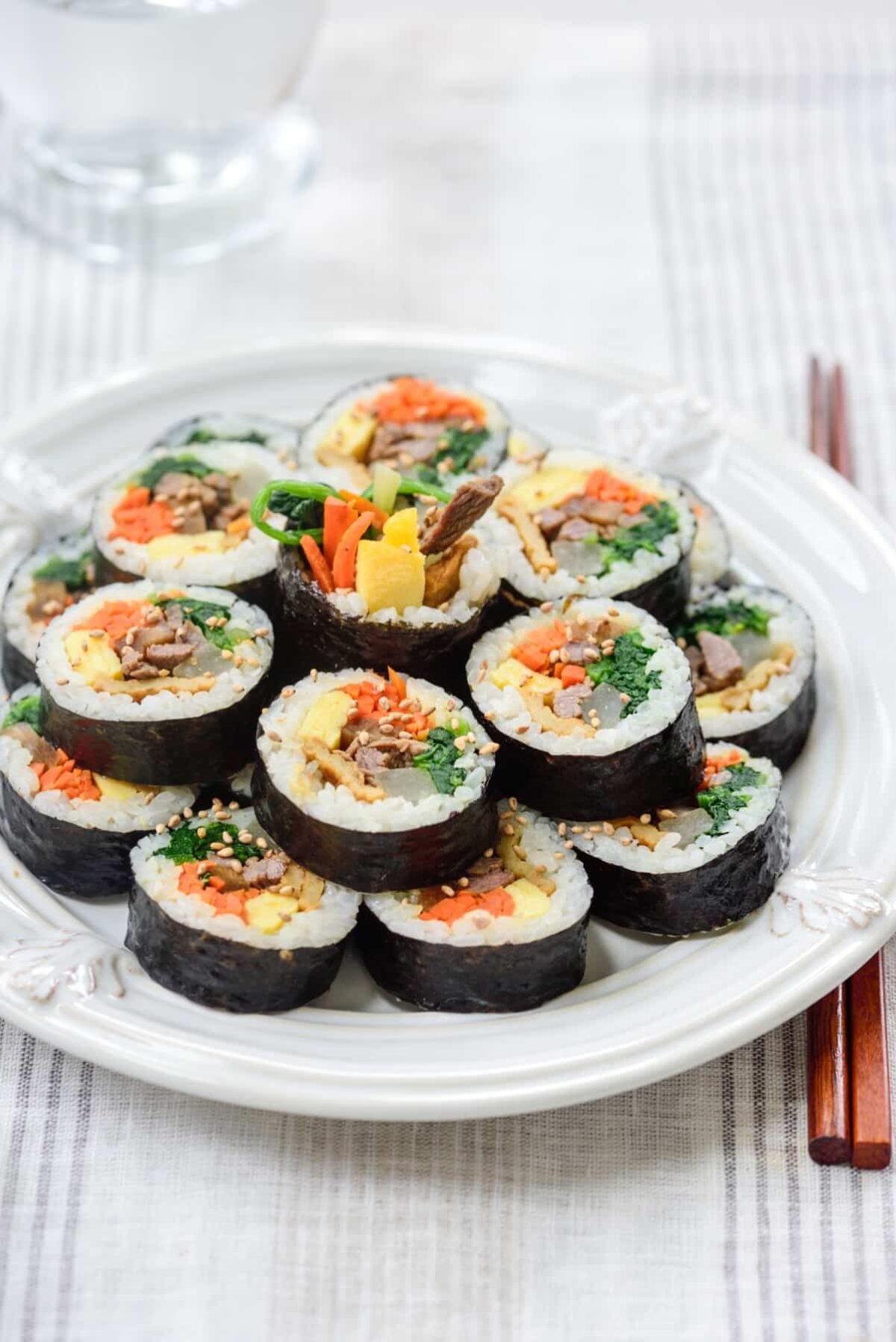
김밥
Korean Seaweed Rice Rolls
Picnics, packed lunches, everyday snack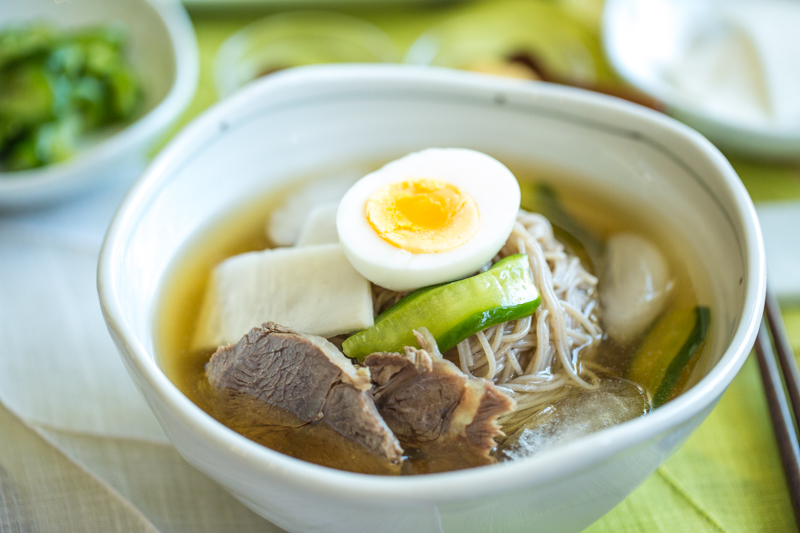 Medium
📜 Story
Medium
📜 Story
냉면
Cold Buckwheat Noodles
Summer, hot weather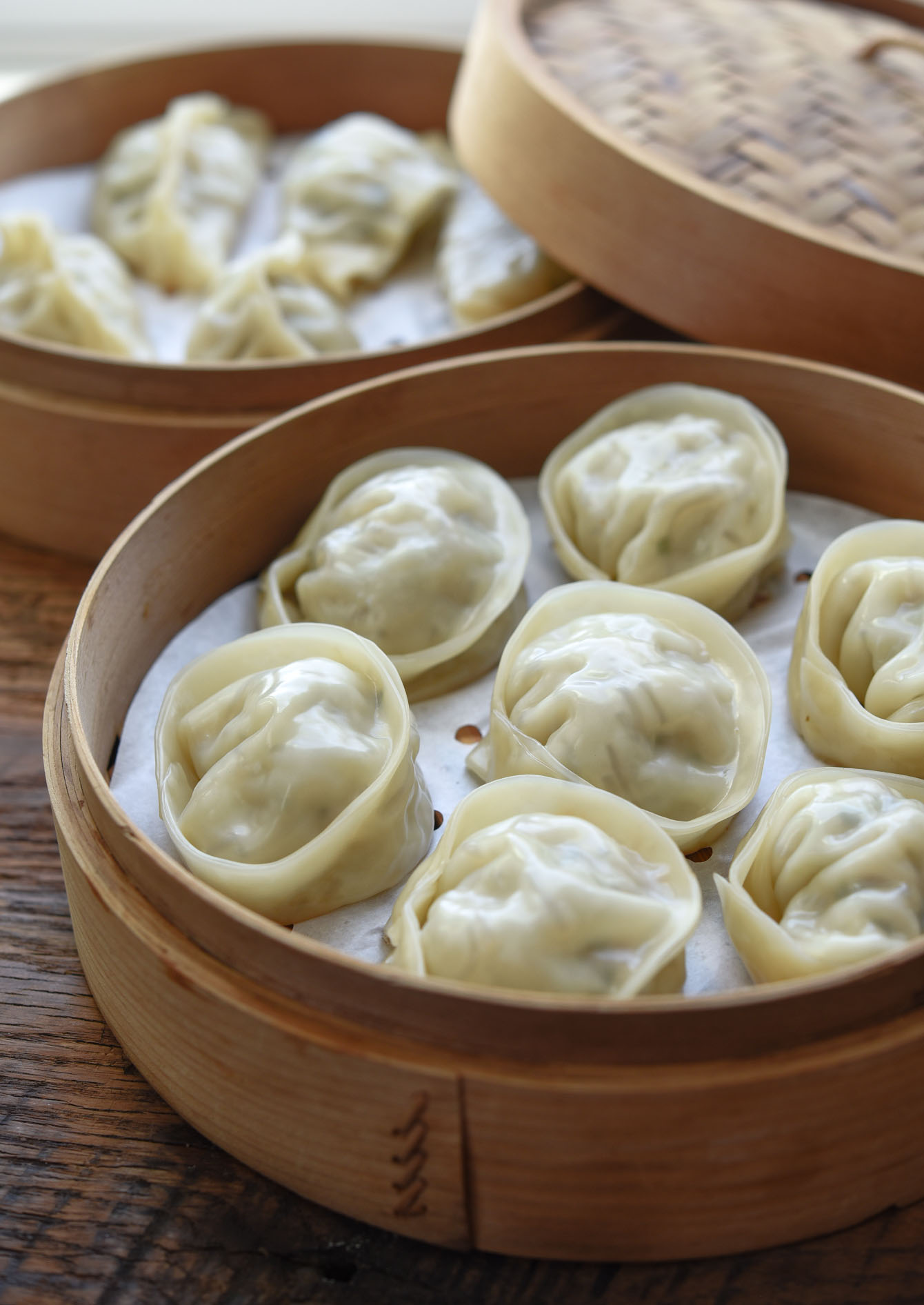 Medium
📜 Story
Medium
📜 Story
만두
Korean Dumplings
Seollal (Lunar New Year), everyday snack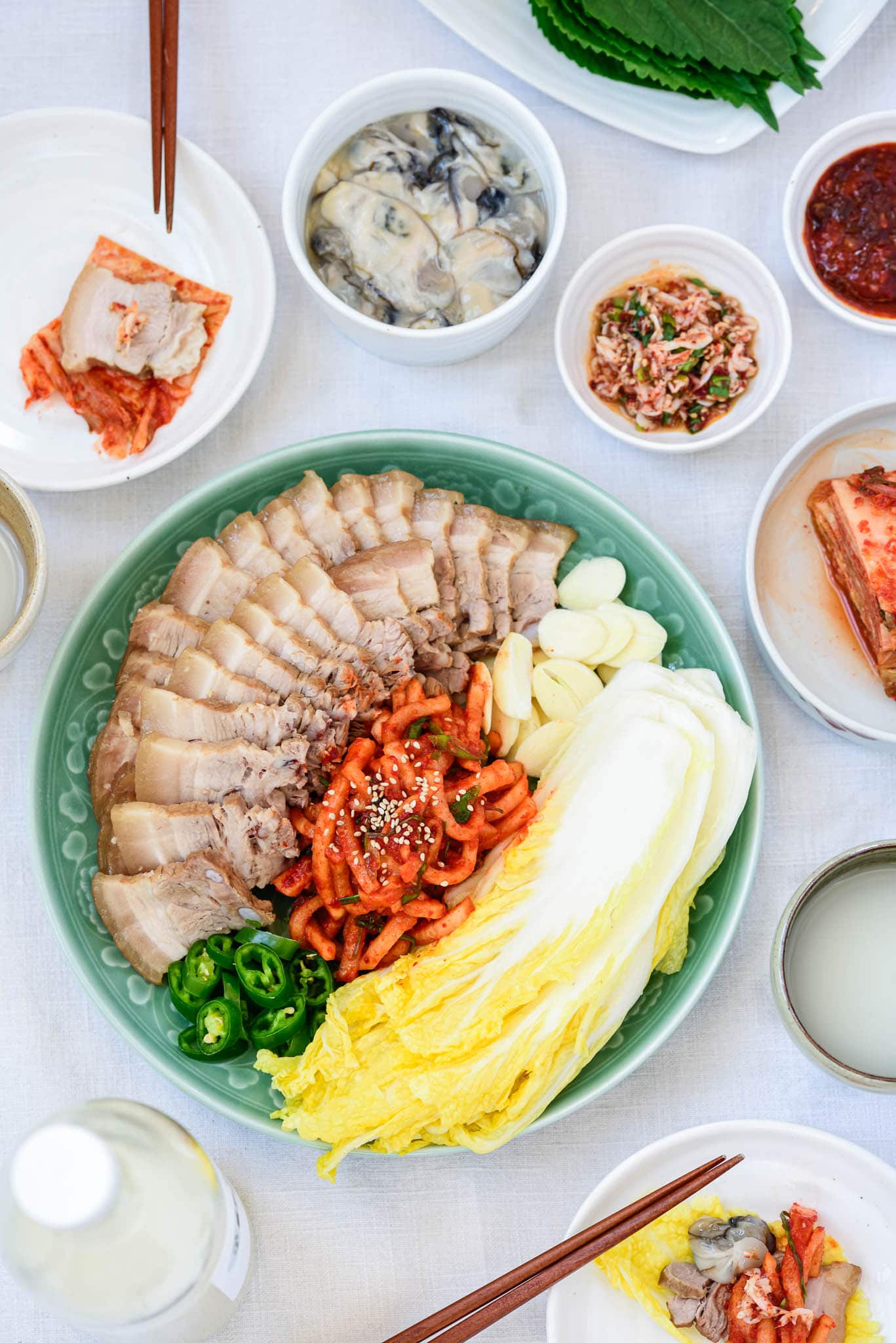 Medium
📜 Story
Medium
📜 Story
보쌈
Boiled Beef Lettuce Wraps
Dinner, celebration, kimjang (kimchi-making) season
Comments (0)
Log in to leave a comment.
No comments yet. Be the first to share your thoughts!