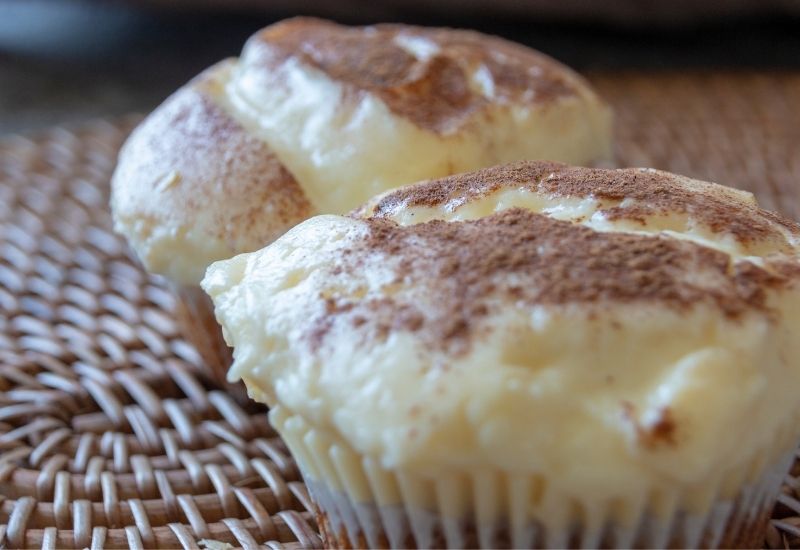
Amarula Cheesecake
Amarula-kaaskoek (ah-mah-ROO-lah KAHS-kook)
Amarula Cream Liqueur Cheesecake
A velvety no-bake cheesecake infused with Amarula cream liqueur, set on a crunchy biscuit base, crowned with a shimmering caramel drizzle.
Nutrition & Info
Allergen Warnings
Equipment Needed
Presentation Guide
Vessel: white cake stand
Garnishes: caramel drizzle, marula fruit slices
Accompaniments: Amarula liqueur
Instructions
-
1
Mix crushed biscuits with melted butter. Press firmly into the base of a lined springform pan. Chill.
-
2
Beat cream cheese and icing sugar until smooth. Fold in whipped cream and Amarula liqueur.
-
3
Melt bloomed gelatin gently, cool slightly, and fold into the cheesecake mixture.
-
4
Pour filling over the biscuit base. Smooth the top with an offset spatula.
-
5
Refrigerate for at least 4 hours or overnight until firmly set.
-
6
Unmold and drizzle with caramel sauce before serving.
Did You Know?
Amarula liqueur is made from the fruit of the marula tree, which elephants are famously (though disputedly) said to get drunk on when the fruit ferments naturally on the ground.
Chef's Notes
Equipment Tips
- springform pan (23cm)
- electric mixer
- saucepan
Garnishing
caramel drizzle, marula fruit slices
Accompaniments
Amarula liqueur
The Story Behind Amarula Cheesecake
Amarula liqueur was first produced in 1989 in Stellenbosch, using the fruit of the indigenous marula tree. South African home cooks quickly incorporated it into desserts, and the Amarula cheesecake became one of the most popular dinner party desserts in the country, combining European cheesecake tradition with a uniquely African ingredient.

Comments (0)
Log in to leave a comment.
No comments yet. Be the first to share your thoughts!