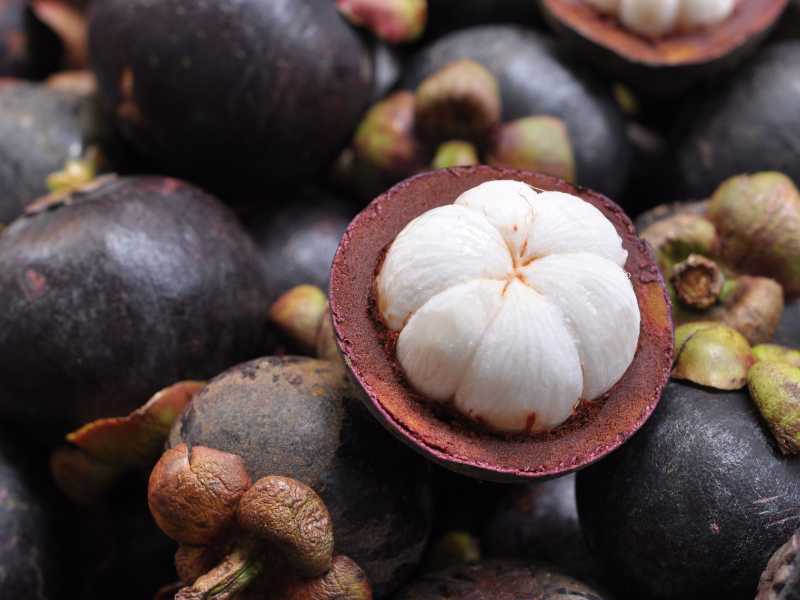
A towering mountain of finely shaved ice drenched in jewel-coloured syrups of rose, pandan, and palm sugar, hiding a treasure trove of red beans, grass jelly, attap chee seeds, and sweet corn beneath.
Nutrition & Info
Equipment Needed
Presentation Guide
Vessel: tall glass or bowl
Garnishes: colourful syrups, condensed milk drizzle
Accompaniments: long spoon
Instructions
-
1
Prepare toppings: cook red beans until soft, cube grass jelly, drain attap chee and sweet corn, soak basil seeds.
-
2
Layer the bottom of tall bowls with red beans, grass jelly, attap chee, sweet corn, and basil seeds.
-
3
Pile finely shaved ice into a tall mound on top of the toppings.
-
4
Drizzle rose syrup, pandan syrup, and gula melaka syrup over the ice in colourful stripes.
-
5
Pour a small amount of evaporated milk or coconut milk over the top.
-
6
Serve immediately with a long spoon, instructing diners to dig down to discover the hidden toppings.
Did You Know?
The name "kachang" means "beans" in Malay — the red beans hiding at the bottom of the ice mountain are the original star of the dessert.
Chef's Notes
Equipment Tips
- ice shaver
- tall bowls or glasses
Garnishing
colourful syrups, condensed milk drizzle
Accompaniments
long spoon
The Story Behind Ice Kachang
Ice kachang evolved from simple shaved ice with red bean desserts sold by Chinese street vendors in early 20th century Malaya. As refrigeration became more accessible, the dessert grew more elaborate with additional toppings and colourful syrups. It became a quintessential Singaporean treat, perfectly suited to the tropical climate and representing the inventive spirit of hawker culture.
More Singaporean Dishes
 Medium
📜 Story
Medium
📜 Story
Chai Tow Kway
Fried Carrot Cake
Breakfast or snack Hard
📜 Story
Hard
📜 Story
Char Kway Teow
Stir-Fried Flat Rice Noodles
Lunch or dinner, hawker centre staple Medium
📜 Story
Medium
📜 Story
Chicken Kut Teh
Peppery Herbal Chicken Soup
Breakfast or lunch, restorative meal Hard
📜 Story
Hard
📜 Story
Chili Crab
Chili Crab
Dinner, celebrations, entertaining guests
Comments (0)
Log in to leave a comment.
No comments yet. Be the first to share your thoughts!