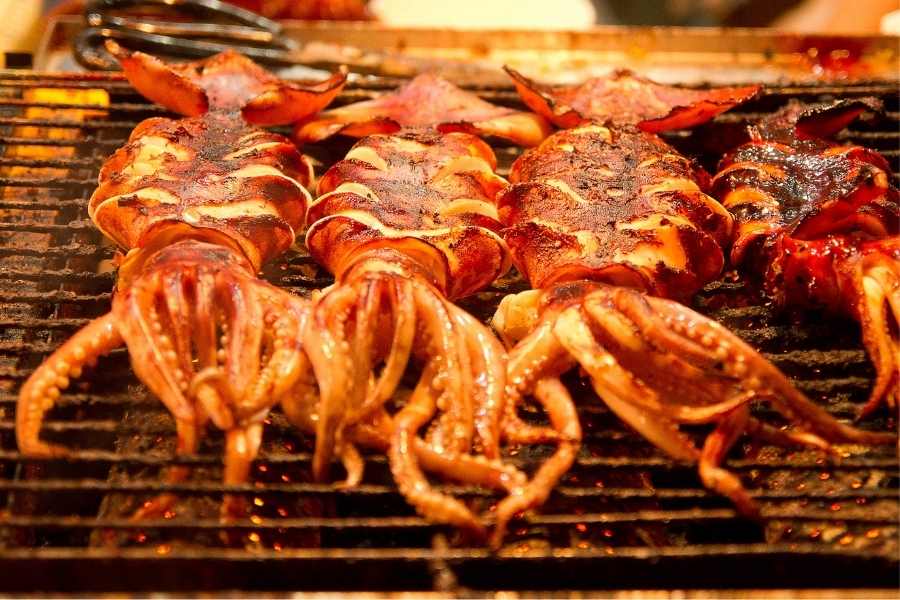
Sambal Stingray
Sambal Ikan Pari (SAM-bal STING-ray)
Grilled Sambal Stingray
A thick stingray wing slathered in a fiery-tangy sambal paste, wrapped in banana leaf, and grilled over charcoal until smoky and succulent, served with a squeeze of calamansi lime.
Nutrition & Info
Allergen Warnings
Equipment Needed
Presentation Guide
Vessel: banana leaf
Garnishes: calamansi halves, sliced shallots, extra sambal
Accompaniments: steamed rice, cold beer, stir-fried kangkong
Instructions
-
1
Blend dried chilies, fresh chilies, shallots, garlic, and belacan into a coarse sambal paste. Cook in a pan with oil, tamarind juice, and sugar until thick and fragrant.
-
2
Soften banana leaves over an open flame until pliable.
-
3
Place the stingray wing on a piece of banana leaf. Slather generously with sambal paste on both sides.
-
4
Wrap loosely in the banana leaf and grill over medium-hot charcoal for 12-15 minutes, flipping once.
-
5
Open the banana leaf, add more sambal on top if desired.
-
6
Serve on the banana leaf with calamansi halves and sliced shallots.
Did You Know?
Sambal stingray is one of the few Singaporean dishes eaten exclusively at night — it is a quintessential fixture of the seafood zichar and BBQ seafood hawker scene.
Chef's Notes
Equipment Tips
- charcoal grill
- banana leaves
- tongs
Garnishing
calamansi halves, sliced shallots, extra sambal
Accompaniments
steamed rice, cold beer, stir-fried kangkong
The Story Behind Sambal Stingray
Sambal stingray is a uniquely Singaporean hawker invention that emerged in the late 20th century at seaside barbecue stalls. The combination of banana leaf grilling (a Malay technique), sambal (Malay-Indonesian condiment), and stingray (abundant in Southeast Asian waters) created a dish that is greater than the sum of its influences. It became a late-night hawker favourite, best enjoyed with cold drinks at outdoor tables.
More Singaporean Dishes
 Medium
📜 Story
Medium
📜 Story
Chai Tow Kway
Fried Carrot Cake
Breakfast or snack Hard
📜 Story
Hard
📜 Story
Char Kway Teow
Stir-Fried Flat Rice Noodles
Lunch or dinner, hawker centre staple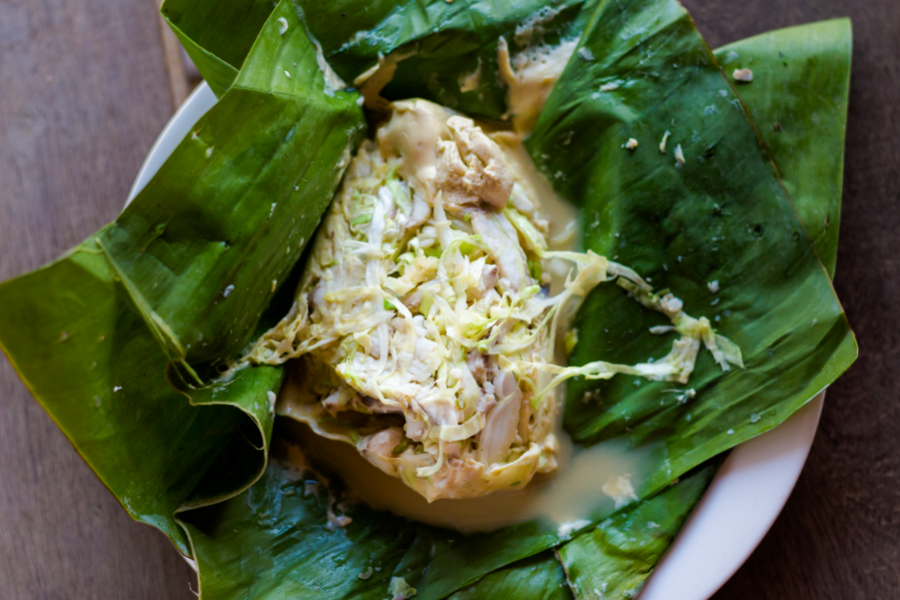 Medium
📜 Story
Medium
📜 Story
Chicken Kut Teh
Peppery Herbal Chicken Soup
Breakfast or lunch, restorative meal Hard
📜 Story
Hard
📜 Story
Chili Crab
Chili Crab
Dinner, celebrations, entertaining guests
Comments (0)
Log in to leave a comment.
No comments yet. Be the first to share your thoughts!