
Smoky flat rice noodles wok-fried over roaring heat with prawns, cockles, Chinese sausage-free bean sprouts, chives, egg, and dark soy sauce, infused with the elusive "wok hei" breath of the wok.
Nutrition & Info
Allergen Warnings
Equipment Needed
Presentation Guide
Vessel: flat plate
Garnishes: lime wedge, sliced chili
Accompaniments: sambal on the side
Instructions
-
1
Heat wok over the highest possible heat until smoking. Add oil and swirl to coat.
-
2
Add garlic and chili paste, stir-fry for 10 seconds until fragrant.
-
3
Add prawns, sear for 1 minute until pink. Push to the side.
-
4
Crack eggs into the wok, scramble briefly, then add noodles on top.
-
5
Add dark soy, light soy, and fish sauce. Toss vigorously, pressing noodles against the hot wok for char.
-
6
Add cockles, bean sprouts, and chives. Toss for 30 seconds — do not overcook the sprouts.
-
7
Season with white pepper and serve immediately. The entire cooking process should take under 4 minutes.
Did You Know?
The best char kway teow masters refuse to cook more than two portions at a time because the wok must maintain extreme heat for proper wok hei.
Chef's Notes
Equipment Tips
- carbon steel wok
- high-BTU burner
- wok spatula
Garnishing
lime wedge, sliced chili
Accompaniments
sambal on the side
The Story Behind Char Kway Teow
Char kway teow was created by Teochew and Hokkien fishermen and labourers in early 20th century Malaya as a cheap, high-calorie meal. The dish's soul lies in "wok hei" — the smoky breath of the wok achieved only through extreme heat and lightning-fast technique. In Singapore, it became a hawker centre legend, and the best stalls command hour-long queues.
More Singaporean Dishes
 Medium
📜 Story
Medium
📜 Story
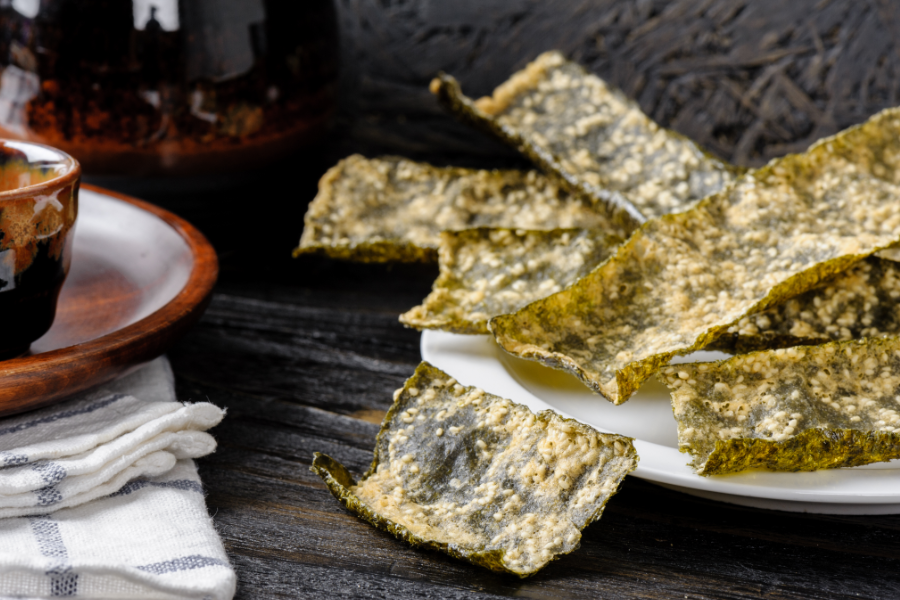
Chai Tow Kway
Fried Carrot Cake
Breakfast or snack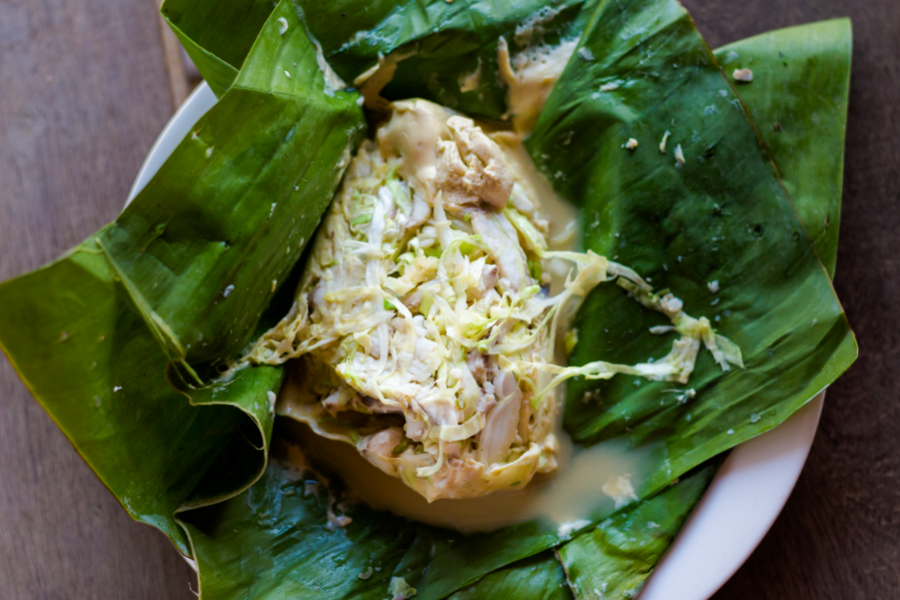 Medium
📜 Story
Medium
📜 Story
Chicken Kut Teh
Peppery Herbal Chicken Soup
Breakfast or lunch, restorative meal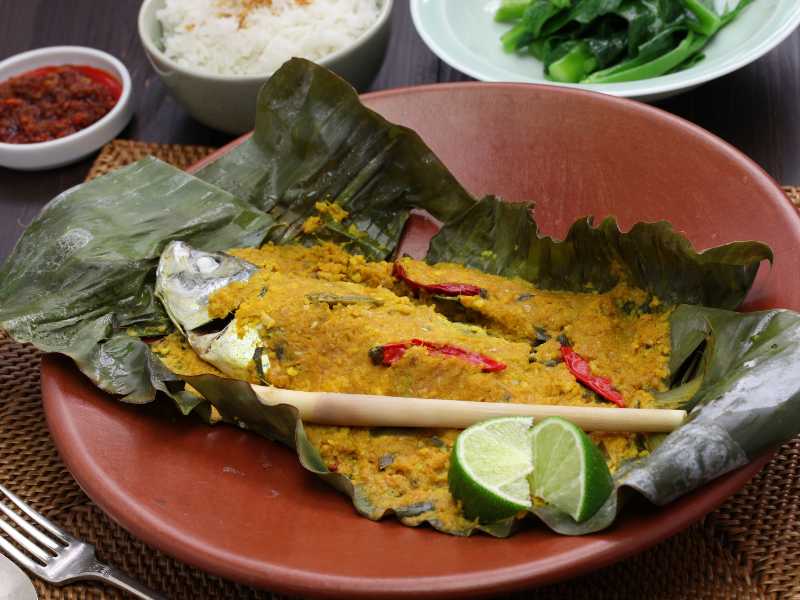 Hard
📜 Story
Hard
📜 Story
Chili Crab
Chili Crab
Dinner, celebrations, entertaining guests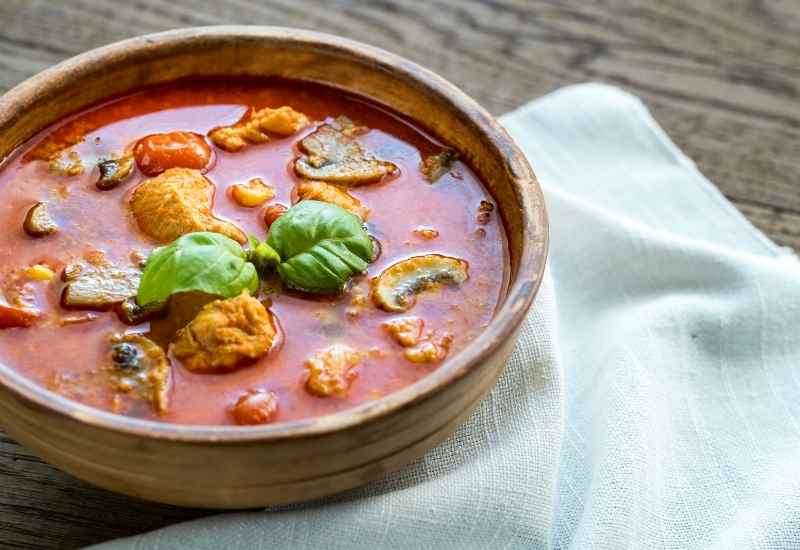 Hard
📜 Story
Hard
📜 Story
Fish Head Curry
Fish Head Curry
Lunch or dinner, celebratory meal
Comments (0)
Log in to leave a comment.
No comments yet. Be the first to share your thoughts!