
Small, skinless grilled sausages of seasoned beef and lamb, served in somun bread with onions and kajmak cheese.
Nutrition & Info
Allergen Warnings
Equipment Needed
Presentation Guide
Vessel: oval plate
Garnishes: diced raw onions, kajmak (clotted cream)
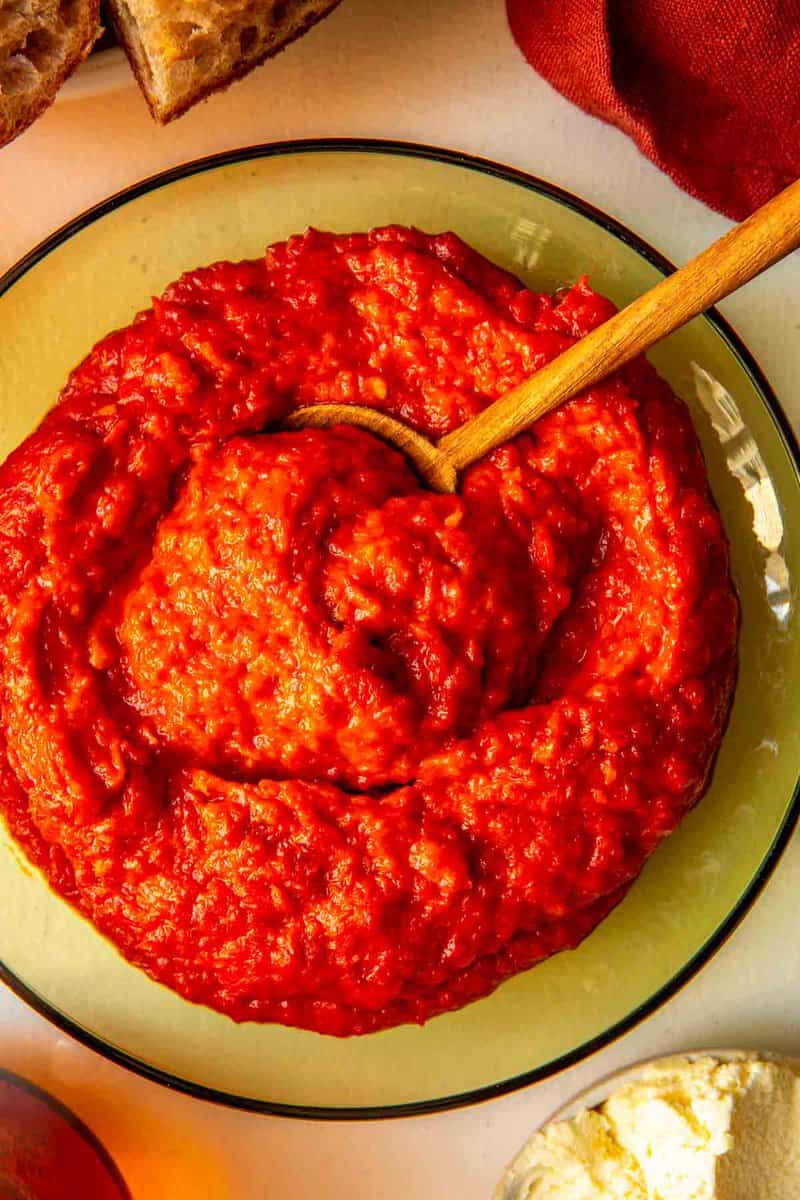
Accompaniments: lepinja bread, ajvar, urnebes (spicy cheese spread)
Instructions
-
1
Combine the ground beef and ground lamb in a large bowl, add the minced garlic, grated onion, baking soda, salt, black pepper, and paprika, then mix thoroughly by hand for three to four minutes until the meat becomes cohesive and slightly sticky.
-
2
Cover the bowl tightly with plastic wrap and refrigerate the meat mixture for at least four hours, or ideally overnight, allowing the baking soda to tenderize the meat and the flavors to develop fully.
-
3
Remove the chilled meat from the refrigerator and shape it into small finger-sized sausages about eight centimeters long and two centimeters in diameter, wetting your hands occasionally with cold water to prevent sticking.
-
4
Preheat a charcoal grill or cast-iron grill pan to high heat and brush the grates lightly with oil, then arrange the cevapi in rows and grill without moving for three to four minutes per side until deeply browned with visible char marks.
-
5
While the cevapi grill, warm the somun bread directly on the grill for about thirty seconds per side until soft and slightly toasted, then cut each bread open to create a pocket for stuffing.
-
6
Serve five to ten cevapi tucked inside each warm somun bread, topped generously with finely diced raw onion and a dollop of kajmak or sour cream, accompanied by roasted red pepper ajvar on the side.
Did You Know?
Cevapi are the national obsession — Serbians eat an estimated 400 million cevapi per year.
Chef's Notes
Equipment Tips
- charcoal grill
- mixing bowl
Garnishing
diced raw onions, kajmak (clotted cream)
Accompaniments
lepinja bread, ajvar, urnebes (spicy cheese spread)
The Story Behind Cevapi
The Story: Cevapi are small, skinless grilled sausages of seasoned beef and lamb, served five or ten at a time in a flatbread called somun with raw onions and kajmak (clotted cream). The dish descends from the Ottoman kofte tradition but has been thoroughly claimed by Serbia and the broader Balkans as a native creation. The city of Leskovac in southern Serbia is the self-proclaimed capital of cevapi and hosts an annual barbecue festival (Rostiljijada) that draws hundreds of thousands of visitors.
On the Calendar: Cevapi are everyday food, eaten for lunch or dinner at grillhouses (rostilj) throughout Serbia. They are also the essential food of football matches, festivals, and any outdoor gathering where a charcoal grill is present.
Then and Now: The basic preparation has remained unchanged, though regional rivalries over the correct spice blend, meat ratio, and serving style are fierce. Leskovac cevapi are larger and coarser, while Belgrade versions tend to be smaller and finer-textured. The annual Rostiljijada festival in Leskovac has elevated cevapi to the status of cultural heritage.
Legacy: Cevapi are the common ground of the Balkans, a dish that every nation in the region claims as its own, served with the conviction that no other version could possibly compare.
More Serbian Dishes
 Medium
📜 Story
Medium
📜 Story
Ajvar
Roasted Pepper Spread
Condiment, any mealBeef Kobasica
Serbian Grilled Beef Sausage
Barbecue season and winter preservation Medium
📜 Story
Medium
📜 Story
Burek
Serbian Meat Pie
Breakfast or late-night snack Easy
📜 Story
Easy
📜 Story
Cicvara
Serbian Cornmeal Porridge
Breakfast, especially in mountain regions
Comments (0)
Log in to leave a comment.
No comments yet. Be the first to share your thoughts!