Clootie Dumpling
Clootie Dumpling (CLOO-tee DUM-pling)
Cloth-Boiled Pudding
A spiced, steamed fruit pudding wrapped in a cloth (cloot), with a distinctive crispy skin — Scotland's traditional celebration dessert.
Nutrition & Info
Allergen Warnings
Equipment Needed
Presentation Guide
Instructions
-
1
Mix all dry ingredients in a large bowl: flour, breadcrumbs, suet, fruit, sugar, baking soda, and spices.
-
2
Add beaten eggs, treacle, and buttermilk. Mix to a soft dropping consistency.
-
3
Dip a large muslin cloth in boiling water, wring out, and flour the centre generously.
-
4
Place pudding mixture in the centre of the cloth. Gather up the sides, tie with string, leaving room to expand.
-
5
Lower into a large pot of simmering water. Boil for 3 hours, topping up water as needed.
-
6
Unwrap carefully. Dry in a warm oven for 15 min to form the characteristic skin. Serve with custard.
Did You Know?
A clootie dumpling traditionally contained coins and charms baked inside — finding a coin meant wealth, a ring meant marriage.
Chef's Notes
Equipment Tips
- large pot
- muslin cloth (cloot)
- mixing bowl
- string
Garnishing
dusting of sugar
Accompaniments
custard, cream, whisky sauce
The Story Behind Clootie Dumpling
The clootie dumpling gets its name from the Scots word "cloot" meaning cloth. Before ovens were common in Scottish homes, puddings were boiled in a cloth in a pot over the fire. It served as a birthday cake in many Scottish households, with silver threepences hidden inside. The dried skin that forms when it's briefly oven-dried is considered the best part.
More Scottish Dishes
 Medium
📜 Story
Medium
📜 Story
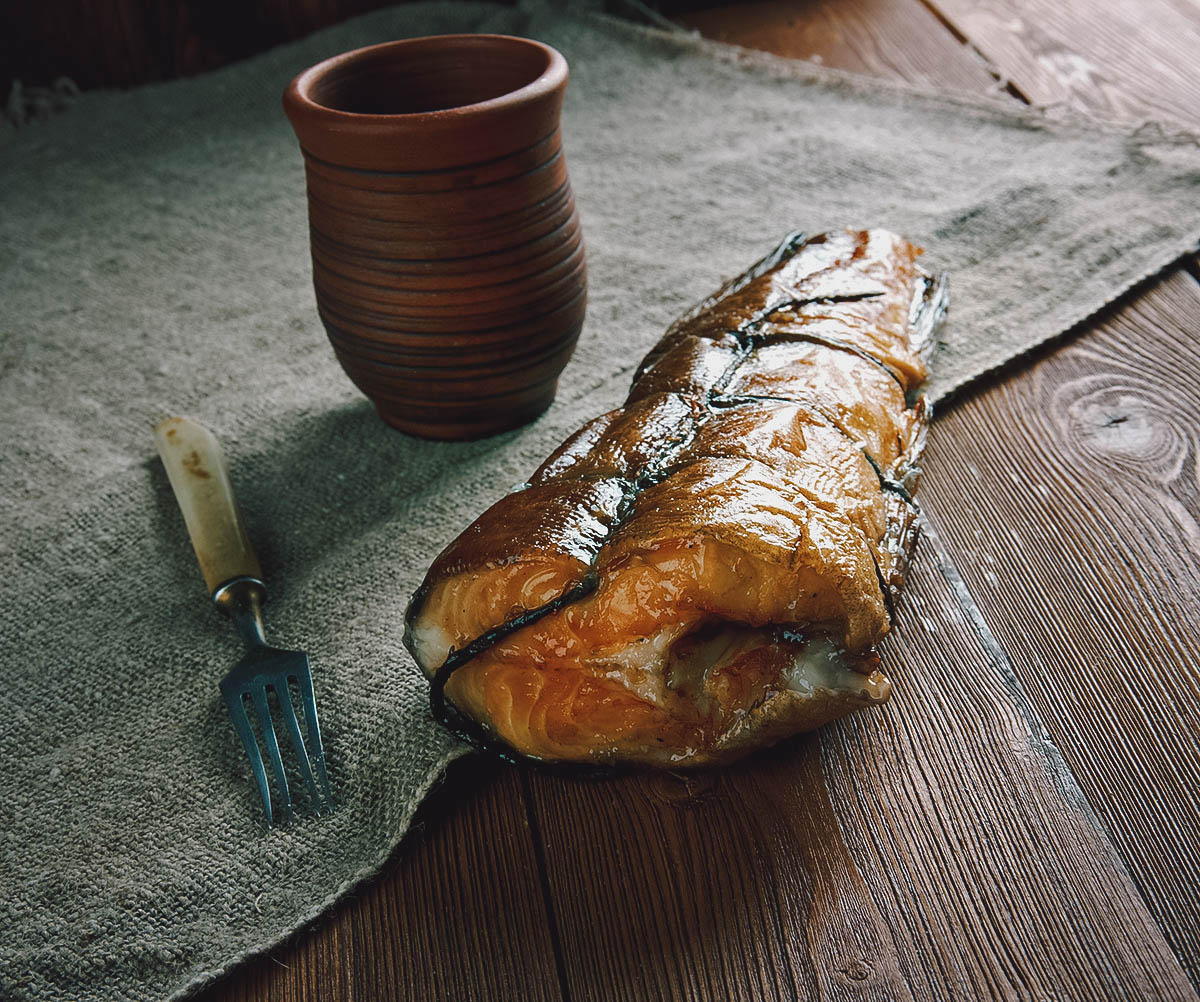
Arbroath Smokie
Hot-Smoked Haddock
Lunch, dinner, or snack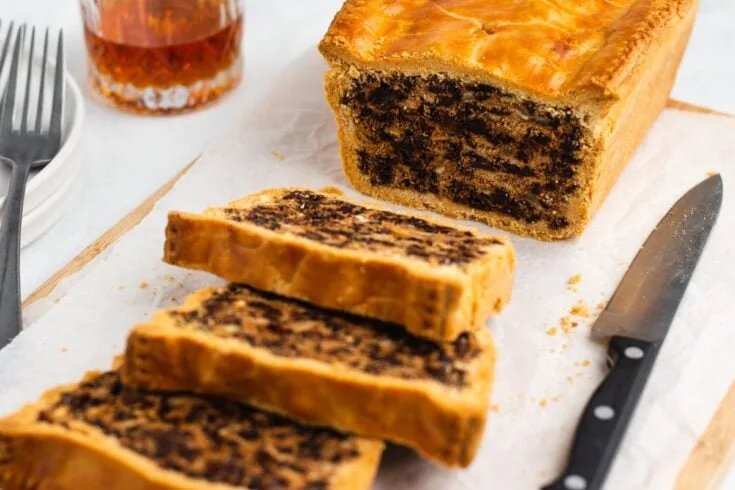 Hard
📜 Story
Hard
📜 Story
Black Bun
Hogmanay Fruit Cake
Hogmanay (New Year's Eve)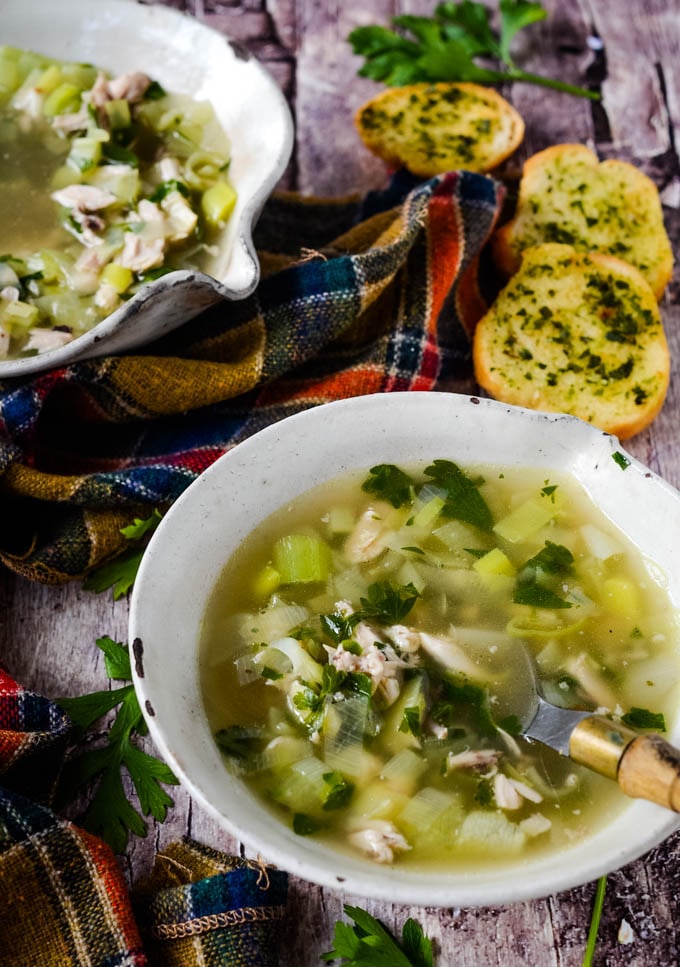 Easy
📜 Story
Easy
📜 Story
Cock-a-Leekie Soup
Chicken & Leek Soup
Starter or lunch Easy
📜 Story
Easy
📜 Story
Cranachan
Scottish Cream & Berry Dessert
Summer dessert, harvest celebrations
Comments (0)
Log in to leave a comment.
No comments yet. Be the first to share your thoughts!