
Passatelli in Brodo
Passatelli in Brodo (pahs-sah-TEL-lee een BROH-doh)
Passatelli in Broth
Delicate worm-shaped pasta made from breadcrumbs, Parmigiano, and eggs, served swimming in a golden chicken broth.
Nutrition & Info
Allergen Warnings
Equipment Needed
Presentation Guide
Vessel: deep ceramic soup bowl
Garnishes: grated Parmigiano, lemon zest
Accompaniments: crusty bread
Instructions
-
1
Combine breadcrumbs and Parmigiano in a bowl. Add eggs, lemon zest, nutmeg, and a pinch of salt.
-
2
Knead briefly into a firm but pliable dough. It should not be sticky. Rest for 10 minutes.
-
3
Bring broth to a gentle simmer in a large pot.
-
4
Press the dough through a potato ricer or passatelli iron directly into the simmering broth.
-
5
Cook for 1-2 minutes only — passatelli are done when they float to the surface.
-
6
Ladle into warm bowls with plenty of broth. Serve immediately with extra grated Parmigiano.
Did You Know?
Passatelli were invented as a way to use up stale bread and cheese rinds, transforming leftovers into an elegant first course.
Chef's Notes
Equipment Tips
- potato ricer or passatelli iron
- large pot
- mixing bowl
Garnishing
grated Parmigiano, lemon zest
Accompaniments
crusty bread
The Story Behind Passatelli in Brodo
Passatelli is a beloved pasta of the Romagna region that is equally cherished in San Marino. The dish represents the ingenuity of Romagnol cooking, where stale bread and cheese rinds are transformed into delicate strands that dissolve on the tongue. In San Marino, passatelli in brodo is considered essential winter comfort food, served at family gatherings and in traditional restaurants across the republic.
More San Marinese Dishes
 Medium
📜 Story
Medium
📜 Story
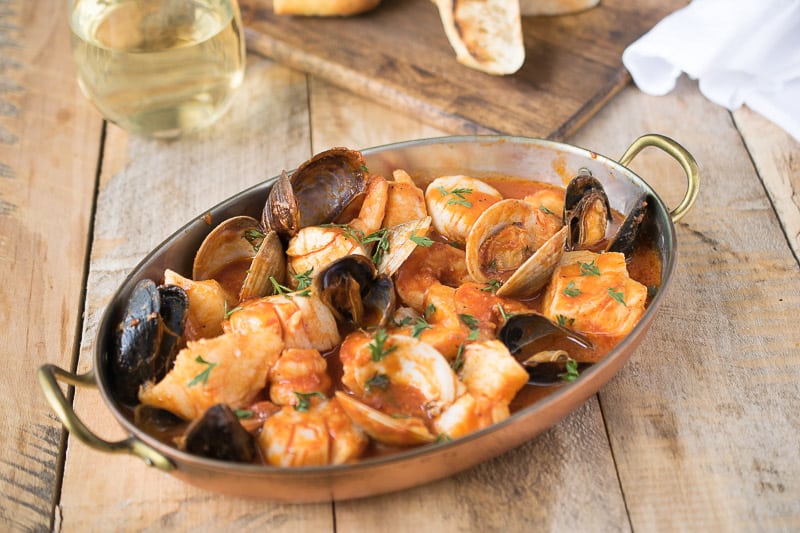
Brodetto di Pesce
Adriatic Fish Stew
Friday lunch, summer Medium
📜 Story
Medium
📜 Story
Bustrengo
San Marinese Fruit Cake
Christmas and winter holidays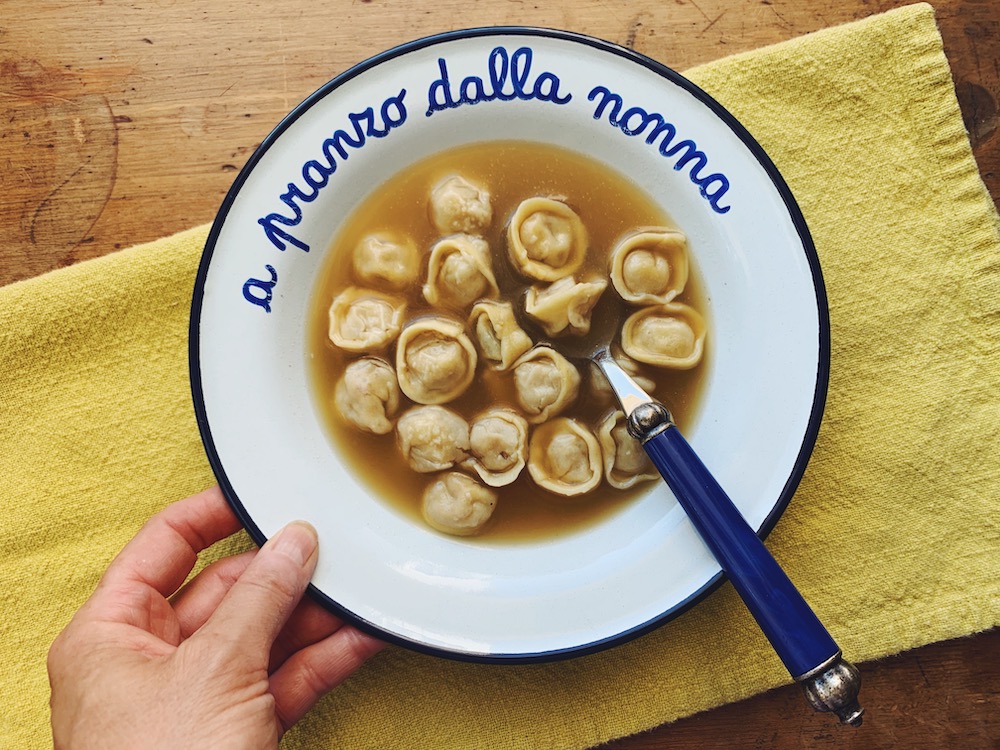 Hard
📜 Story
Hard
📜 Story
Cappelletti in Brodo
Little Hats in Broth
Christmas Day, New Year Medium
📜 Story
Medium
📜 Story
Ciambella al Mosto
Grape Must Ring Cake
Autumn, grape harvest season
Comments (0)
Log in to leave a comment.
No comments yet. Be the first to share your thoughts!