
Nidi di Rondine
Nidi di Rondine (NEE-dee dee ROHN-dee-neh)
Swallow Nests Pasta
Rolled pasta parcels stuffed with cheese, spinach, and bechamel, baked golden in tomato sauce — a San Marinese Sunday classic.
Nutrition & Info
Allergen Warnings
Equipment Needed
Presentation Guide
Vessel: oval ceramic baking dish
Garnishes: fresh basil, Parmigiano shavings
Accompaniments: green salad
Instructions
-
1
Blanch spinach, squeeze dry, and chop finely. Mix with ricotta, half the Parmigiano, eggs, nutmeg, salt, and pepper.
-
2
Roll fresh pasta into thin sheets and cut into large rectangles about 10x15cm.
-
3
Cook pasta sheets briefly in boiling salted water, drain and lay flat on a damp cloth.
-
4
Spread a spoonful of filling along each rectangle and roll up into cylinders. Cut each in half.
-
5
Spread passata on the bottom of a buttered baking dish. Arrange rolled pasta cut-side up so the spiral filling shows.
-
6
Spoon bechamel over the top, sprinkle with remaining Parmigiano, and bake at 190°C for 25-30 min until golden and bubbling.
Did You Know?
The name means "swallow nests" because the spiral cross-section of each roll resembles a bird's nest when viewed from above.
Chef's Notes
Equipment Tips
- baking dish
- rolling pin
- saucepan
Garnishing
fresh basil, Parmigiano shavings
Accompaniments
green salad
The Story Behind Nidi di Rondine
Nidi di Rondine is perhaps the most iconic dish of San Marinese cuisine, served at Sunday gatherings and festive occasions throughout the republic. The dish reflects the strong Romagnol influence on San Marinese cooking, combining fresh egg pasta with rich fillings. Each family guards its own recipe, debating the correct ratio of spinach to cheese and whether the bechamel should be thin or thick.
More San Marinese Dishes
 Medium
📜 Story
Medium
📜 Story
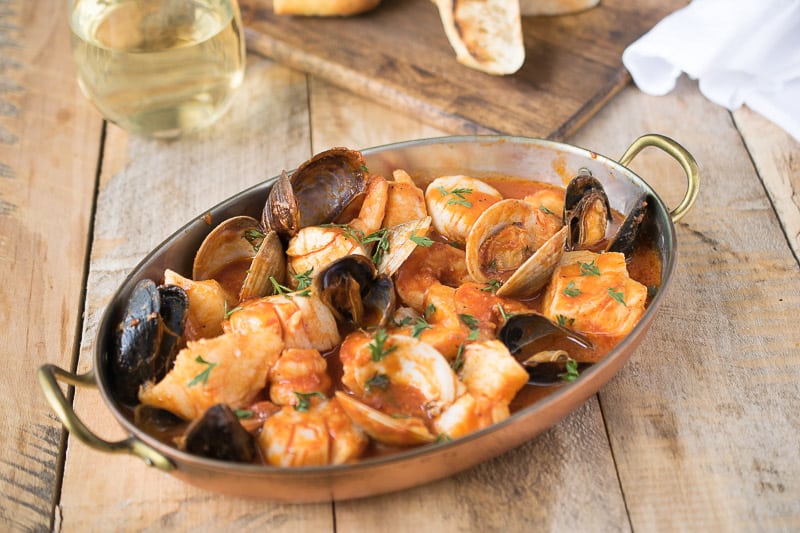
Brodetto di Pesce
Adriatic Fish Stew
Friday lunch, summer Medium
📜 Story
Medium
📜 Story
Bustrengo
San Marinese Fruit Cake
Christmas and winter holidays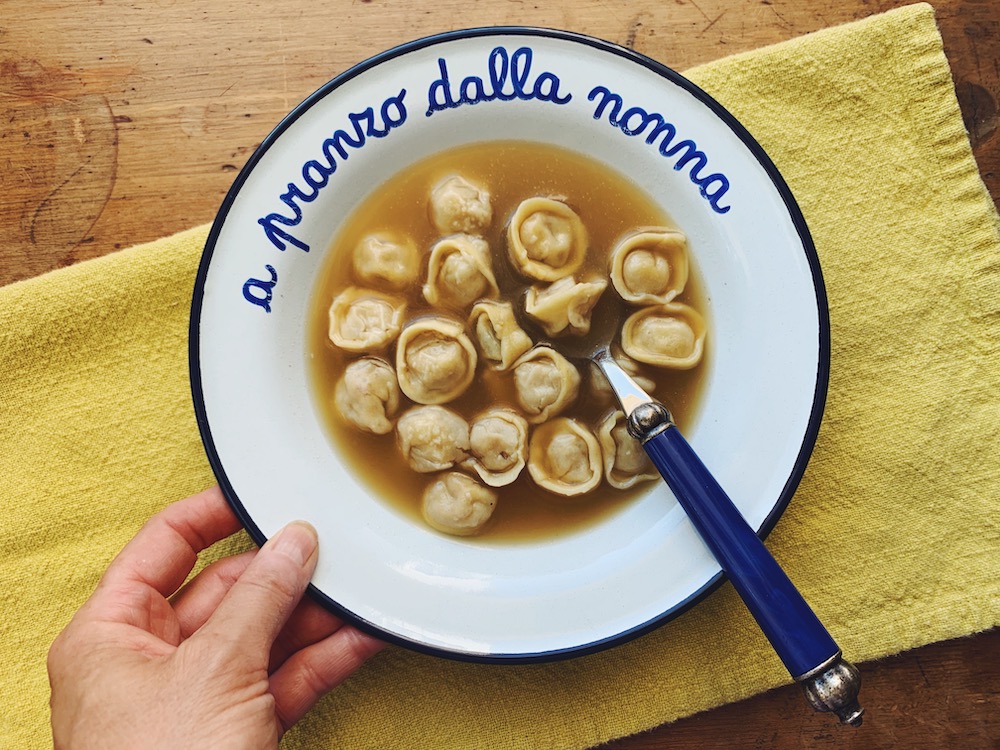 Hard
📜 Story
Hard
📜 Story
Cappelletti in Brodo
Little Hats in Broth
Christmas Day, New Year Medium
📜 Story
Medium
📜 Story
Ciambella al Mosto
Grape Must Ring Cake
Autumn, grape harvest season
Comments (0)
Log in to leave a comment.
No comments yet. Be the first to share your thoughts!