
Fagioli alla Sammarinese
Fagioli alla Sammarinese (fah-JOH-lee AHL-lah sahm-mah-ree-NEH-zeh)
San Marinese Style Beans
Slow-cooked borlotti beans in a rich tomato and herb sauce with vegetables, a staple of the republic's rustic cuisine.
Nutrition & Info
Equipment Needed
Presentation Guide
Vessel: terracotta bowl
Garnishes: olive oil drizzle, fresh sage leaves
Accompaniments: crusty bread
Instructions
-
1
Drain soaked beans and simmer in fresh water for 45 minutes until nearly tender. Drain.
-
2
Heat olive oil in a large pot. Sauté onion, carrots, and celery for 8 minutes until softened.
-
3
Add garlic, sage, rosemary, and bay leaves. Cook for 1 minute until fragrant.
-
4
Stir in crushed tomatoes and the partially cooked beans. Add enough water to just cover.
-
5
Simmer gently for 30-40 minutes until beans are very tender and the sauce is thick.
-
6
Season with salt and pepper, remove herb sprigs. Serve drizzled with extra-virgin olive oil.
Did You Know?
Bean dishes sustained San Marino's small population through centuries of independence, when the republic had to be self-sufficient in food production.
Chef's Notes
Equipment Tips
- large pot
- wooden spoon
Garnishing
olive oil drizzle, fresh sage leaves
Accompaniments
crusty bread
The Story Behind Fagioli alla Sammarinese
Bean stews have been a cornerstone of San Marinese cuisine since the medieval period, when the tiny republic relied on its own agricultural production. The rocky hillsides of Mount Titano were ideal for growing legumes, and beans became the primary protein source for the population. This simple dish represents the cucina povera tradition that defined Sammarinese cooking for centuries.
More San Marinese Dishes
 Medium
📜 Story
Medium
📜 Story
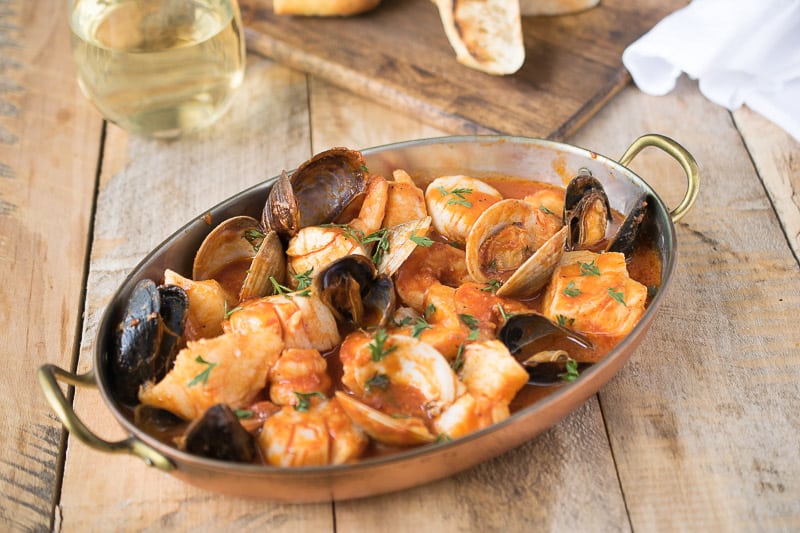
Brodetto di Pesce
Adriatic Fish Stew
Friday lunch, summer Medium
📜 Story
Medium
📜 Story
Bustrengo
San Marinese Fruit Cake
Christmas and winter holidays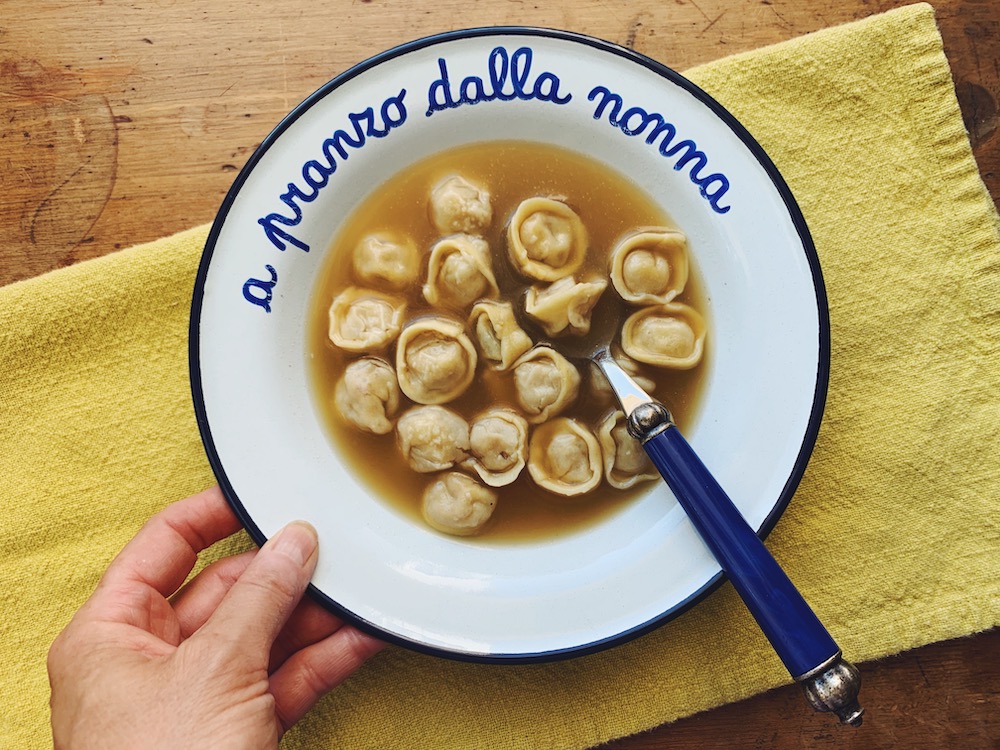 Hard
📜 Story
Hard
📜 Story
Cappelletti in Brodo
Little Hats in Broth
Christmas Day, New Year Medium
📜 Story
Medium
📜 Story
Ciambella al Mosto
Grape Must Ring Cake
Autumn, grape harvest season
Comments (0)
Log in to leave a comment.
No comments yet. Be the first to share your thoughts!