
Coniglio alla Sammarinese
Coniglio alla Sammarinese (koh-NEE-lyoh AHL-lah sahm-mah-ree-NEH-zeh)
San Marinese Roast Rabbit
Rabbit slow-roasted with rosemary, garlic, white wine, and fennel seeds until the meat falls off the bone.
Nutrition & Info
Equipment Needed
Presentation Guide
Vessel: oval serving platter
Garnishes: rosemary sprigs, lemon wedges
Accompaniments: roasted potatoes, green salad
Instructions
-
1
Season rabbit pieces generously with salt, pepper, and fennel seeds.
-
2
Heat olive oil in a heavy skillet. Brown rabbit pieces on all sides, about 3 minutes per side. Transfer to roasting pan.
-
3
Tuck garlic cloves and rosemary sprigs around the rabbit pieces.
-
4
Deglaze the skillet with white wine, scraping up browned bits. Pour over the rabbit. Add broth.
-
5
Roast at 180°C for 45-50 minutes, basting every 15 minutes, until meat is tender and golden.
-
6
Squeeze lemon juice over the finished dish. Let rest 5 minutes before serving with pan juices.
Did You Know?
Rabbit was historically the most common meat in San Marino because the rocky terrain was better suited to raising rabbits than cattle.
Chef's Notes
Equipment Tips
- roasting pan
- heavy skillet
- oven
Garnishing
rosemary sprigs, lemon wedges
Accompaniments
roasted potatoes, green salad
The Story Behind Coniglio alla Sammarinese
Rabbit has been the primary meat of San Marinese cuisine for centuries, as the republic's mountainous terrain made large-scale cattle farming impractical. Roast rabbit flavored with wild herbs from the hillsides of Mount Titano is considered the national meat dish. The recipe reflects the frugal, flavorful approach that defines Sammarinese cooking, using local herbs and wine to transform simple ingredients into a celebratory meal.
More San Marinese Dishes
 Medium
📜 Story
Medium
📜 Story
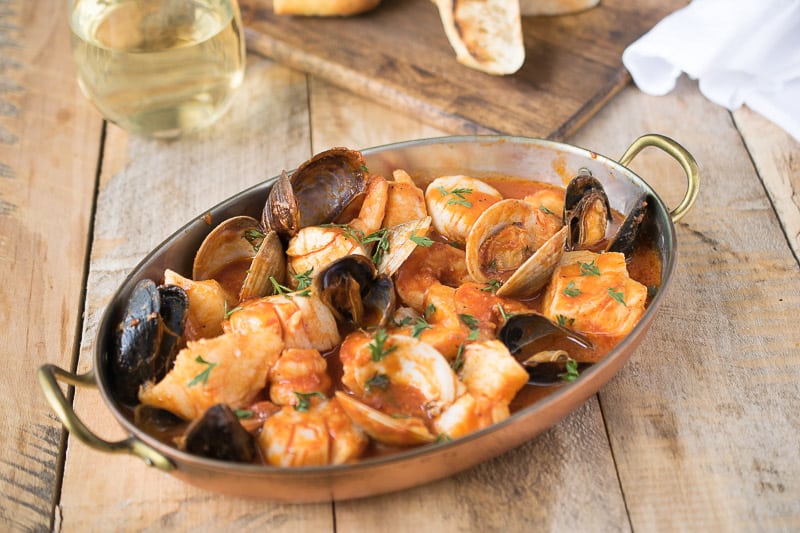
Brodetto di Pesce
Adriatic Fish Stew
Friday lunch, summer Medium
📜 Story
Medium
📜 Story
Bustrengo
San Marinese Fruit Cake
Christmas and winter holidays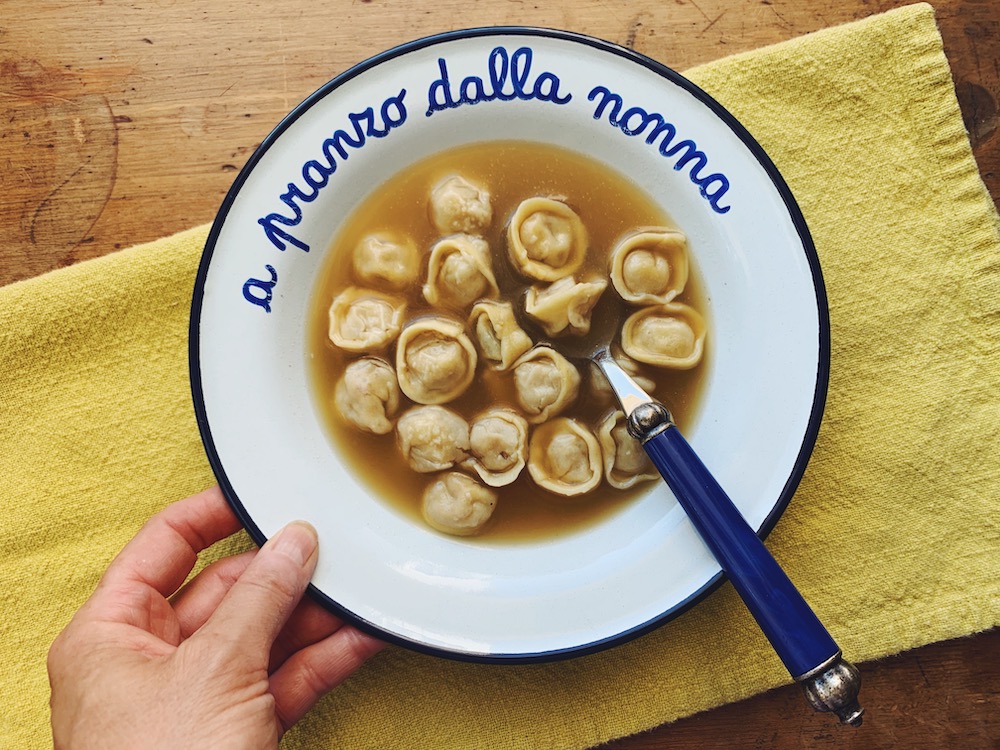 Hard
📜 Story
Hard
📜 Story
Cappelletti in Brodo
Little Hats in Broth
Christmas Day, New Year Medium
📜 Story
Medium
📜 Story
Ciambella al Mosto
Grape Must Ring Cake
Autumn, grape harvest season
Comments (0)
Log in to leave a comment.
No comments yet. Be the first to share your thoughts!