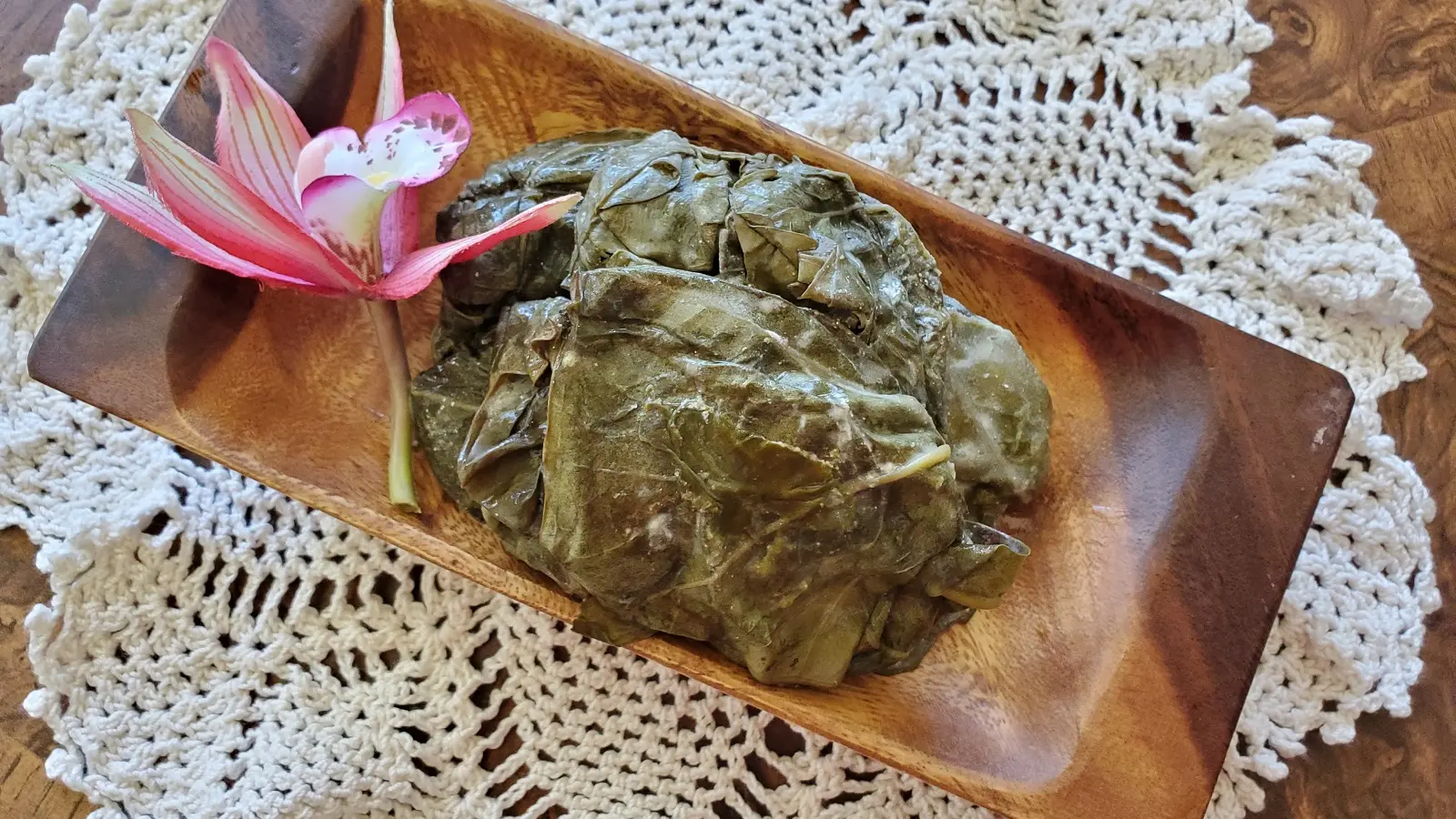
Young taro leaves filled with coconut cream and onions, wrapped and baked in the umu earth oven until silky and rich.
Nutrition & Info
Allergen Warnings
Equipment Needed
Presentation Guide
Vessel: banana leaf bundle
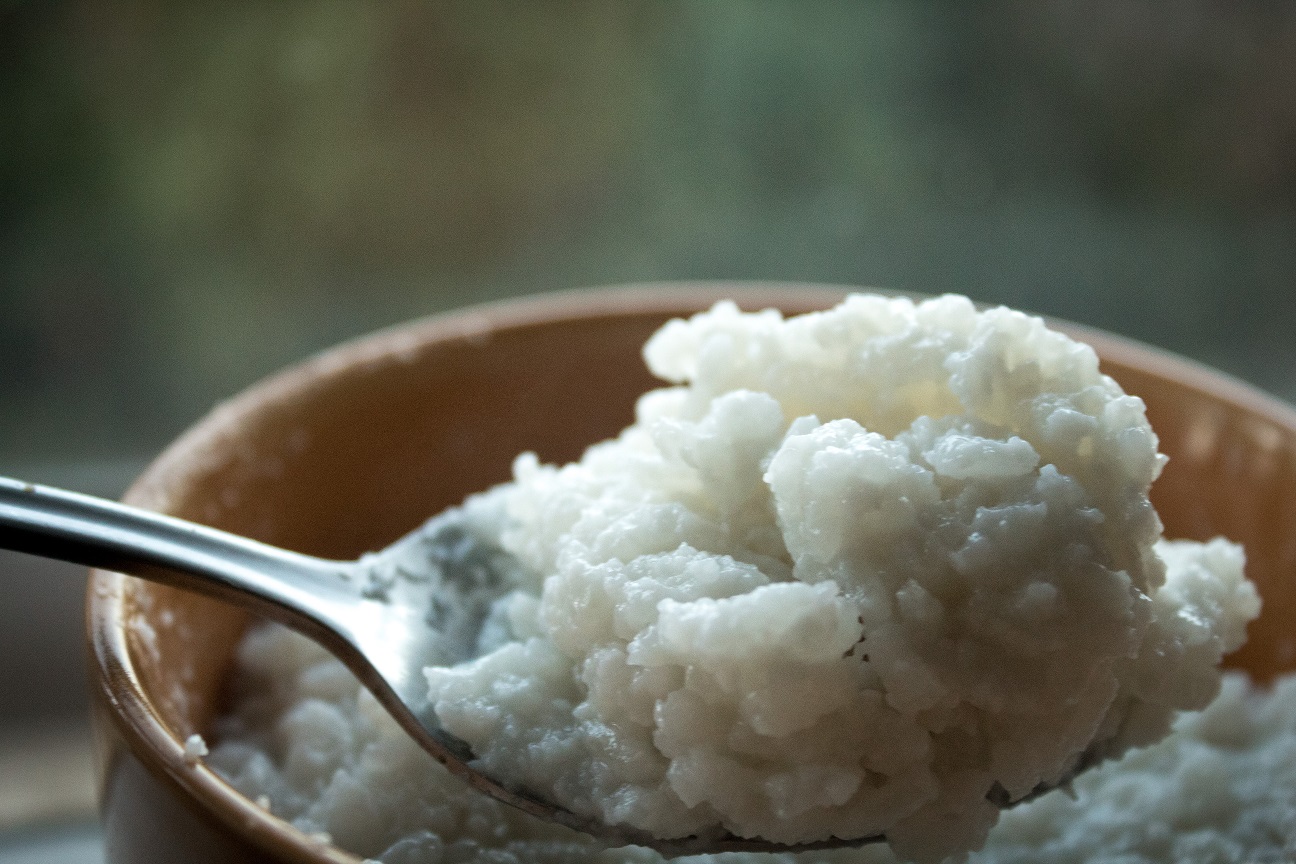
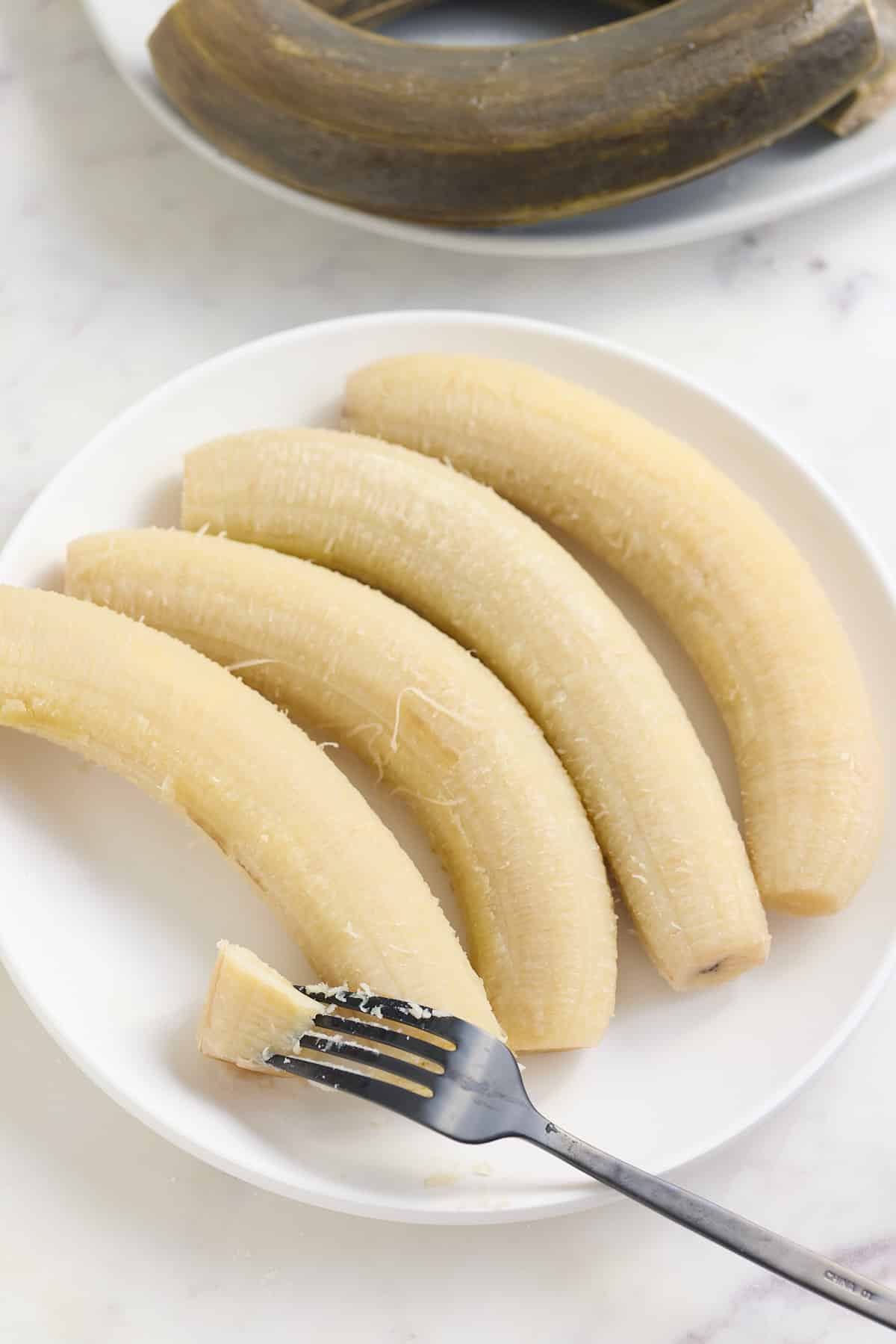
Accompaniments: taro, breadfruit, steamed rice
Instructions
-
1
Wash the taro leaves thoroughly and remove the tough central stems. Stack several leaves on top of each other to create small bundles. If using spinach or Swiss chard as a substitute, the preparation is the same but the cooking time will be shorter.
-
2
Create wrapping packages by placing softened banana leaves on a flat surface. Arrange a small stack of taro leaves in the centre of each banana leaf. Top with diced onion and minced garlic, distributing evenly among the packages.
-
3
Pour a generous amount of coconut cream over each stack of leaves, using about half a cup per package. Season with salt. The coconut cream will slowly cook into the leaves during the long steaming, creating a rich, creamy filling.
-
4
Wrap each package tightly in the banana leaves, folding the sides over first, then the ends, creating a sealed parcel. Wrap again in aluminum foil for extra protection to prevent the coconut cream from leaking during cooking.
-
5
Steam the wrapped packages in a large steamer over boiling water for two to three hours, or bake in an oven at 180C for two hours. The long cooking time is essential for taro leaves, which must be thoroughly cooked to neutralize calcium oxalate crystals.
-
6
Unwrap the palusami carefully at the table. The taro leaves should be meltingly soft and dark green, saturated with rich coconut cream that has reduced and thickened during the long cooking. Serve as a side dish alongside roasted meat and taro root.
Did You Know?
Palusami is always included in the Sunday to'onai (feast) after church — it is a sacred tradition.
Chef's Notes
Equipment Tips
- banana leaves
- umu (earth oven) or oven
- string
Accompaniments
taro, breadfruit, steamed rice
The Story Behind Palusami
The Story: Palusami consists of young taro leaves wrapped around a filling of coconut cream and onions, bundled tightly in banana leaves, and slow-cooked in an umu (underground stone oven) until the leaves are tender and the coconut cream has thickened into a rich, silky sauce. The dish is one of the oldest and most revered preparations in Samoan cuisine, representing the essential Polynesian technique of wrapping food in leaves and cooking it in an earth oven. Taro, cultivated across Polynesia for millennia, provides both the starchy root and the edible leaves that make palusami possible.
On the Calendar: Palusami is a staple of the Sunday to'ona'i feast and appears at all important celebrations, including weddings, funerals, title-bestowing ceremonies, and church events. It is considered essential to any proper Samoan feast.
Then and Now: The traditional umu preparation remains the gold standard, though modern Samoan cooks sometimes use conventional ovens or stovetop methods when an umu is impractical. Some contemporary versions add corned beef or fish to the coconut cream filling, reflecting the influence of imported canned goods in Pacific Island diets.
Legacy: Palusami is Samoan cooking in its purest form: earth, leaves, coconut, and fire, a preparation that has nourished Pacific Islanders since before recorded history.

Comments (0)
Log in to leave a comment.
No comments yet. Be the first to share your thoughts!