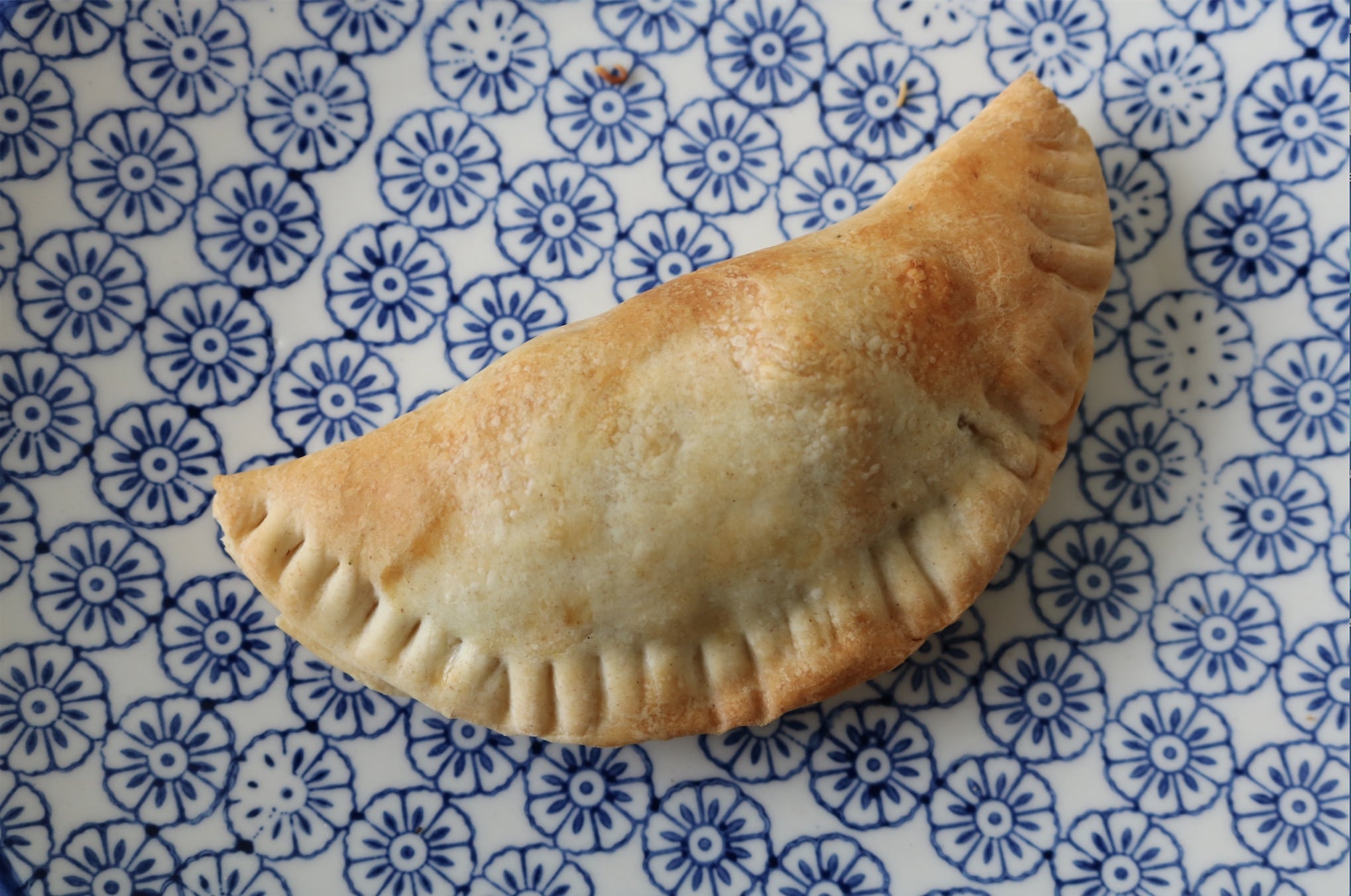
Crispy triangular pastries filled with spiced lamb, onions, and fresh herbs, deep-fried to golden perfection. These irresistible parcels are the quintessential Qatari Ramadan starter.
Nutrition & Info
Allergen Warnings
Equipment Needed
Instructions
-
1
Cook ground lamb with onion in oil over medium heat for 8 minutes until browned. Season with cumin, cinnamon, salt, and pepper.
-
2
Remove from heat, stir in chopped coriander, and let the filling cool for 10 minutes.
-
3
Cut pastry sheets into strips. Place a spoonful of filling at one end and fold into triangles, sealing edges with flour paste.
-
4
Deep fry at 175°C for 3-4 minutes per batch until golden brown and crispy.
-
5
Drain on paper towels and serve hot with a squeeze of lemon and green chutney.
Did You Know?
Qatari families often hold samboosa-making gatherings before Ramadan, folding hundreds at a time and freezing them for the month ahead.
Chef's Notes
Equipment Tips
- deep fryer or heavy pot
- mixing bowl
- pastry brush
The Story Behind Samboosa
Samboosa arrived in Qatar through Indian Ocean trade routes, evolving from the South Asian samosa into a distinctly Gulf preparation. While the triangular shape and frying technique remain consistent with their Indian cousins, Qatari samboosa typically use a spice blend influenced by Arabian rather than Indian flavors, favoring cinnamon and cumin over garam masala. During Ramadan, samboosa production becomes a communal activity, with women gathering to prepare and freeze large batches. The dish represents the multicultural culinary heritage of Qatar's trading ports.



Comments (0)
Log in to leave a comment.
No comments yet. Be the first to share your thoughts!