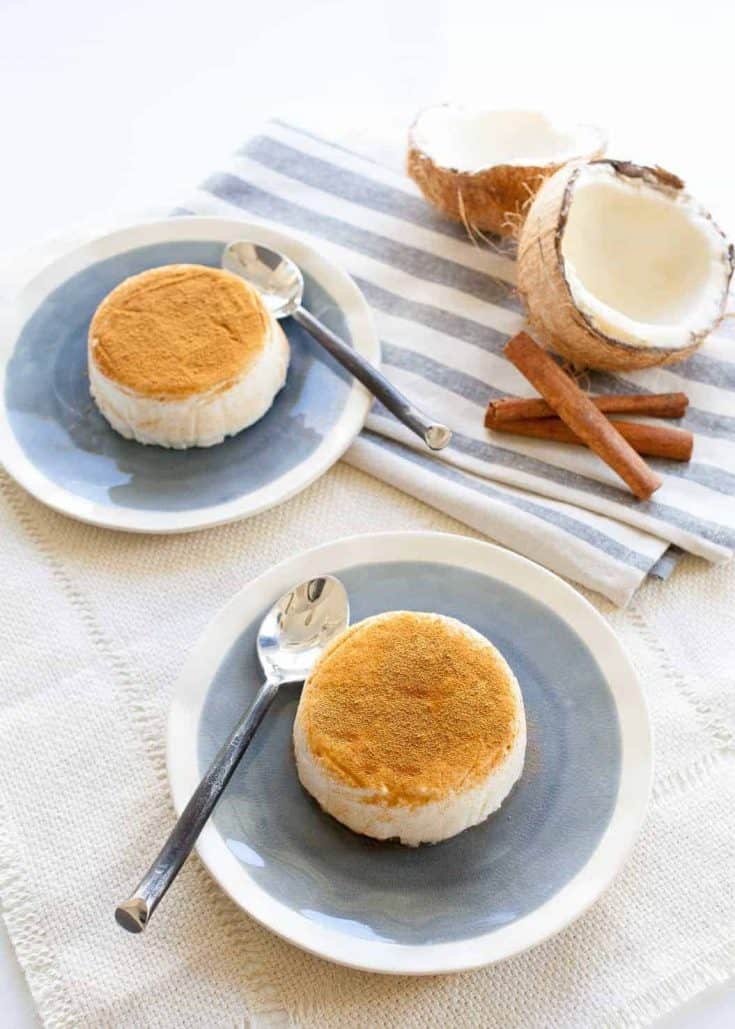
A silky, jiggly coconut milk pudding set with cornstarch, dusted with cinnamon, and served chilled as a traditional Christmas dessert.
Instructions
-
1
Whisk coconut milk, sugar, cornstarch, salt, and vanilla together in a saucepan until cornstarch is fully dissolved with no lumps.
-
2
Place over medium heat and cook, whisking constantly, until mixture begins to thicken, about eight minutes.
-
3
Continue whisking as it thickens to a pudding consistency. It should coat the back of a spoon thickly.
-
4
Pour into a mold or individual ramekins. Smooth the top with a spatula.
-
5
Refrigerate at least four hours or overnight until completely set and firm.
-
6
Unmold onto a plate and dust generously with ground cinnamon before serving.
Did You Know?
The name tembleque means "trembling" or "jiggly" in Spanish, referring to the way the pudding wobbles when moved.
The Story Behind Tembleque
Tembleque is the dessert of Puerto Rican Christmas, appearing on every holiday table alongside coquito and pasteles. This simple coconut pudding reflects the island's tropical bounty and Spanish confection traditions. The dish requires only a handful of ingredients but demands patience and constant stirring to achieve the perfect texture. When properly made, tembleque should jiggle dramatically when the plate is moved, earning its evocative name.
More Puerto Rican Dishes
 Hard
📜 Story
Hard
📜 Story
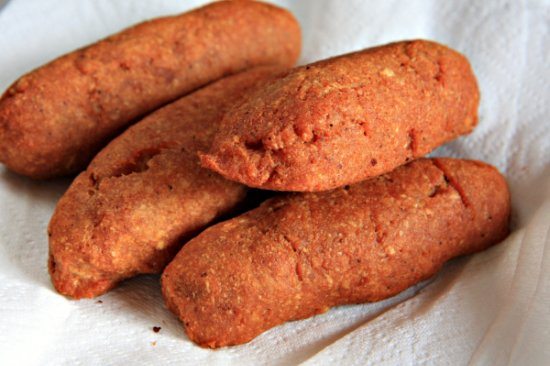
Alcapurrias
Stuffed Plantain and Yautia Fritters
Beach snack and street food Easy
📜 Story
Easy
📜 Story
Amarillos en Almibar
Plantains in Syrup
Dessert after family dinner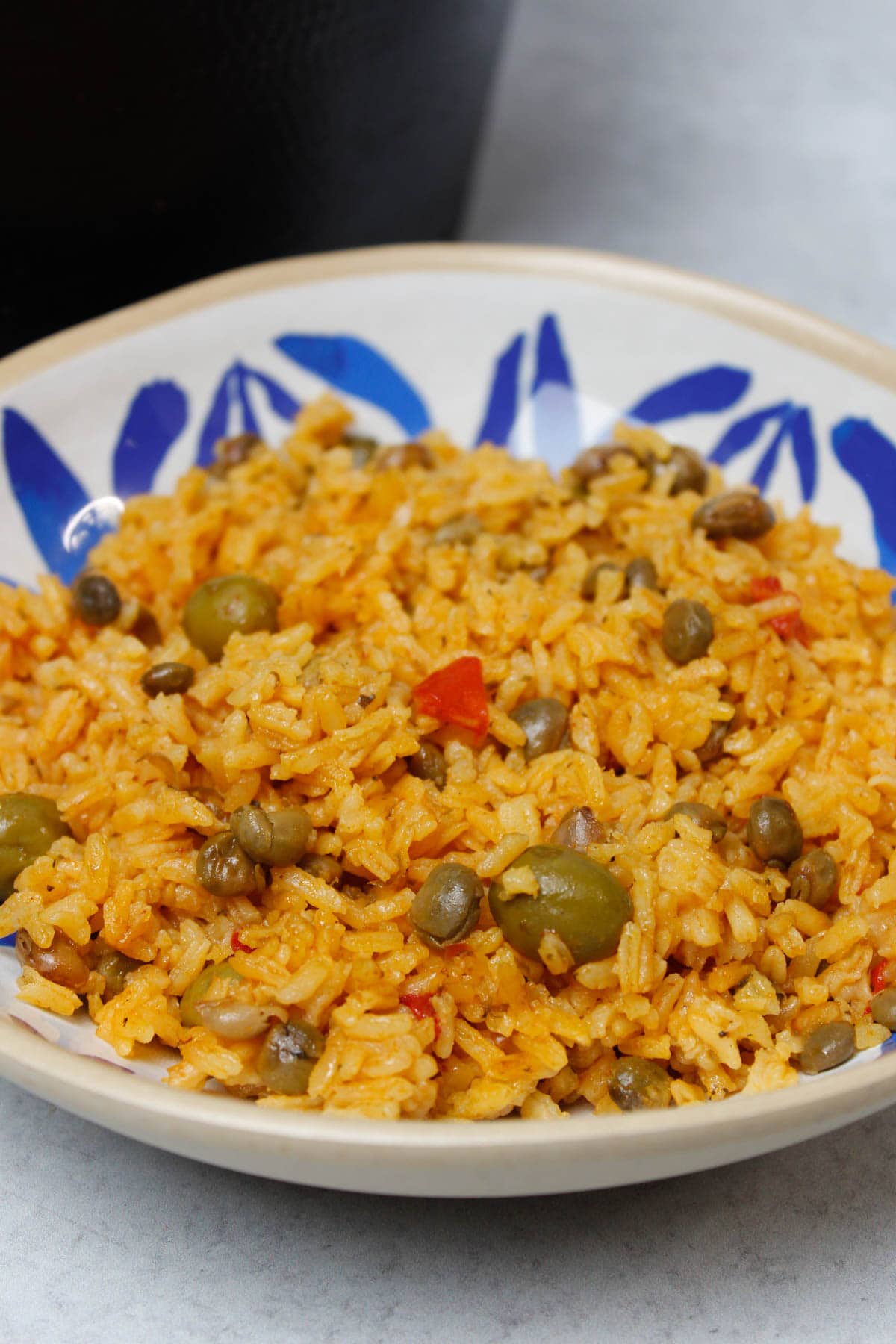 Medium
📜 Story
Medium
📜 Story
Arroz con Gandules
Rice with Pigeon Peas
Christmas Eve, celebrations, dinner Medium
📜 Story
Medium
📜 Story
Arroz con Pollo
Puerto Rican Chicken and Rice
Weeknight dinner and family gatherings
Comments (0)
Log in to leave a comment.
No comments yet. Be the first to share your thoughts!