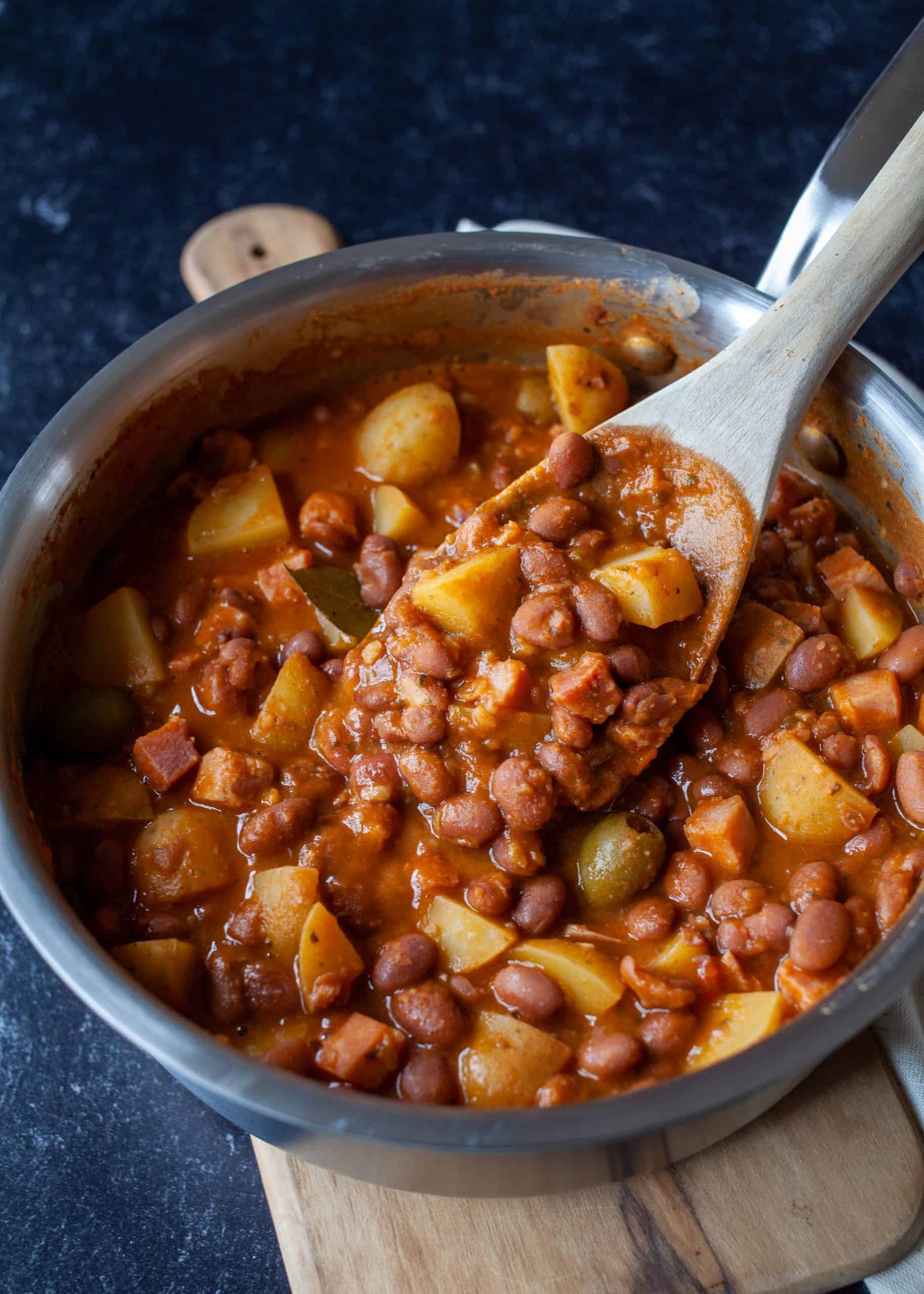
Habichuelas Guisadas
Habichuelas Guisadas (ah-bee-CHWAY-lahs gee-SAH-dahs)
Puerto Rican Stewed Beans
Creamy pink beans simmered in a thick sofrito and tomato-based sauce with potatoes, calabaza, and sazon, served over white rice.
Nutrition & Info
Equipment Needed
Presentation Guide
Vessel: bowl or ladled over rice
Garnishes: cilantro
Accompaniments: white rice, avocado slices
Instructions
-
1
Heat olive oil in a caldero. Add sofrito and cook three minutes until fragrant.
-
2
Add tomato sauce and sazon, stir and cook one minute until combined.
-
3
Add beans, water, potato, and calabaza. Stir gently to combine.
-
4
Bring to a boil, then reduce to medium-low and simmer twenty-five minutes until potatoes and calabaza are tender.
-
5
Mash a few beans against the side of the pot to thicken the sauce naturally.
-
6
Season with salt and pepper, garnish with cilantro, and serve over white rice.
Did You Know?
Puerto Ricans eat so many beans that the island imports over 50 million pounds of dried beans annually, making it one of the highest per-capita consumers in the world.
Chef's Notes
Equipment Tips
- caldero or saucepan
- wooden spoon
- ladle
Garnishing
cilantro
Accompaniments
white rice, avocado slices
The Story Behind Habichuelas Guisadas
Habichuelas guisadas are the constant companion to rice in Puerto Rican cooking, forming the iconic arroz y habichuelas combination that is the backbone of daily meals. This humble bean stew reflects centuries of Caribbean cooking where beans provided affordable protein for working families. The use of sofrito, sazon, and calabaza makes it distinctly Boricua, and no Puerto Rican kitchen is ever without a pot of habichuelas ready to serve.
More Puerto Rican Dishes
 Hard
📜 Story
Hard
📜 Story
Alcapurrias
Stuffed Plantain and Yautia Fritters
Beach snack and street food Easy
📜 Story
Easy
📜 Story
Amarillos en Almibar
Plantains in Syrup
Dessert after family dinner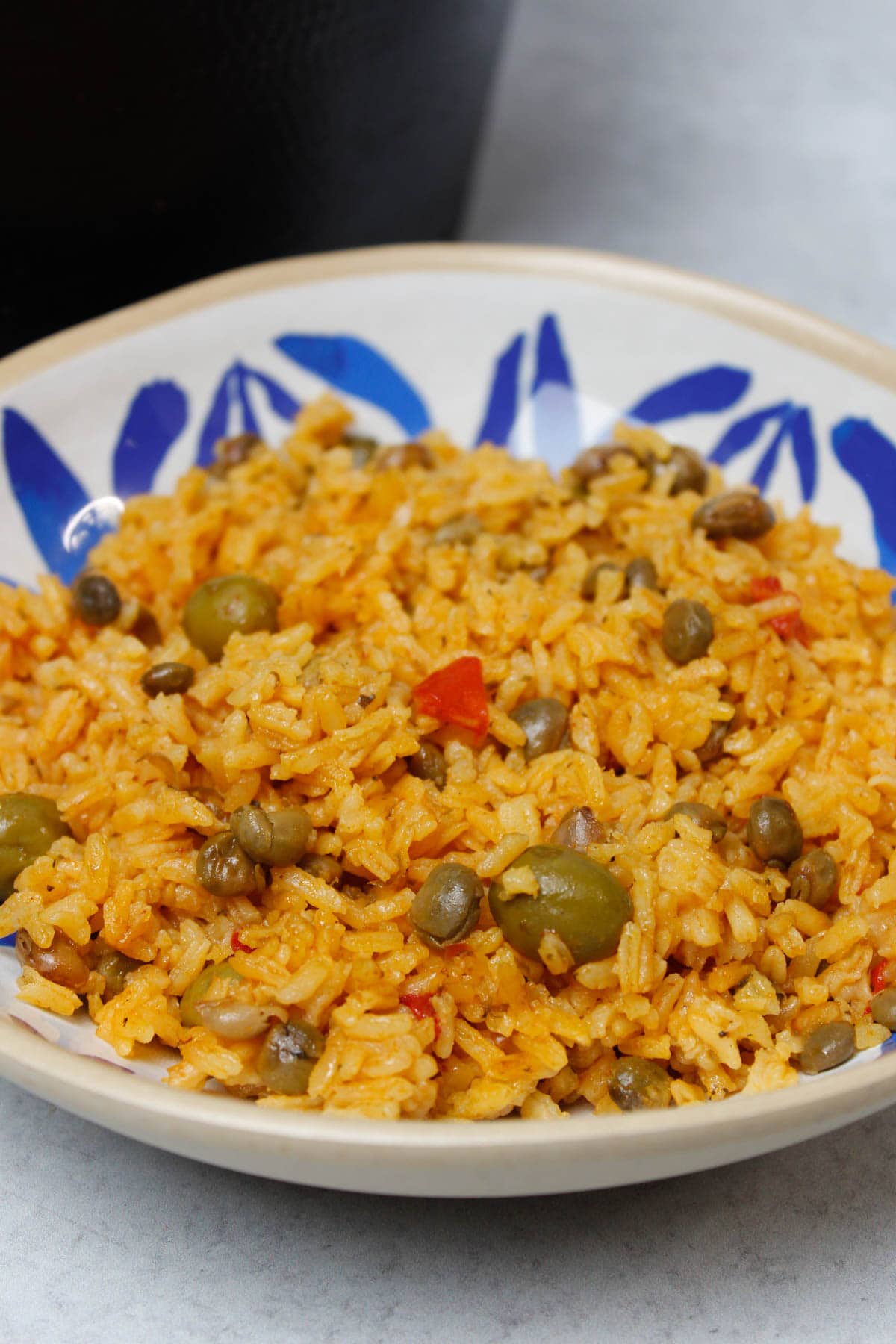 Medium
📜 Story
Medium
📜 Story
Arroz con Gandules
Rice with Pigeon Peas
Christmas Eve, celebrations, dinner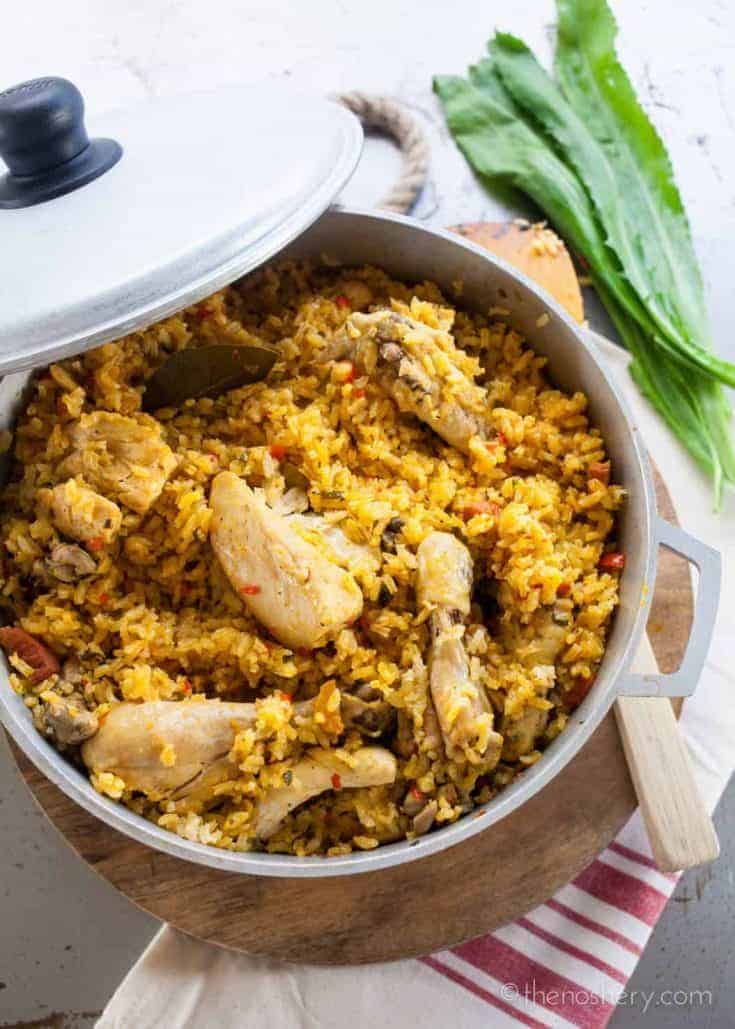 Medium
📜 Story
Medium
📜 Story
Arroz con Pollo
Puerto Rican Chicken and Rice
Weeknight dinner and family gatherings
Comments (0)
Log in to leave a comment.
No comments yet. Be the first to share your thoughts!