
Empanadillas
Empanadillas (em-pah-nah-DEE-yahs)
Puerto Rican Meat Turnovers
Crescent-shaped turnovers with a thin, crispy dough filled with seasoned ground beef, olives, and sofrito, deep-fried until golden.
Nutrition & Info
Allergen Warnings
Equipment Needed
Presentation Guide
Instructions
-
1
Make dough by mixing flour, salt, and shortening. Add warm water gradually until a smooth dough forms. Rest fifteen minutes.
-
2
Cook filling by browning beef with sofrito, tomato sauce, sazon, and olives until well-seasoned. Cool.
-
3
Roll dough thin and cut into circles about five inches in diameter.
-
4
Place a spoonful of filling on one half of each circle. Fold over and crimp edges with a fork.
-
5
Heat oil to 350F. Fry empanadillas in batches until golden brown on both sides, about four minutes.
-
6
Drain on paper towels and serve hot with pique sauce.
Did You Know?
Puerto Rican empanadillas differ from South American empanadas in their thinner, crispier dough, which puffs slightly during frying to create a flaky texture.
Chef's Notes
Equipment Tips
- rolling pin
- deep fryer or pot
- fork for crimping
Garnishing
pique sauce, lime
Accompaniments
tostones, cold drink
The Story Behind Empanadillas
Empanadillas came to Puerto Rico directly from Spain, where empanadas have been made since the Moorish period. Puerto Rican cooks adapted the recipe with a thinner dough that becomes exceptionally crispy when fried, and a filling seasoned with the island's signature sofrito and sazon. Today empanadillas are ubiquitous across Puerto Rico, found at every bakery, kiosk, and family gathering, always fried fresh and served hot.
More Puerto Rican Dishes
 Hard
📜 Story
Hard
📜 Story
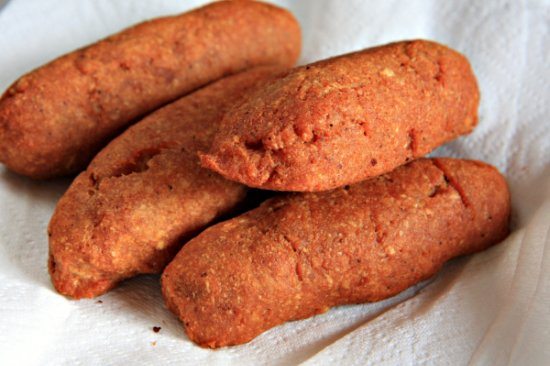
Alcapurrias
Stuffed Plantain and Yautia Fritters
Beach snack and street food Easy
📜 Story
Easy
📜 Story
Amarillos en Almibar
Plantains in Syrup
Dessert after family dinner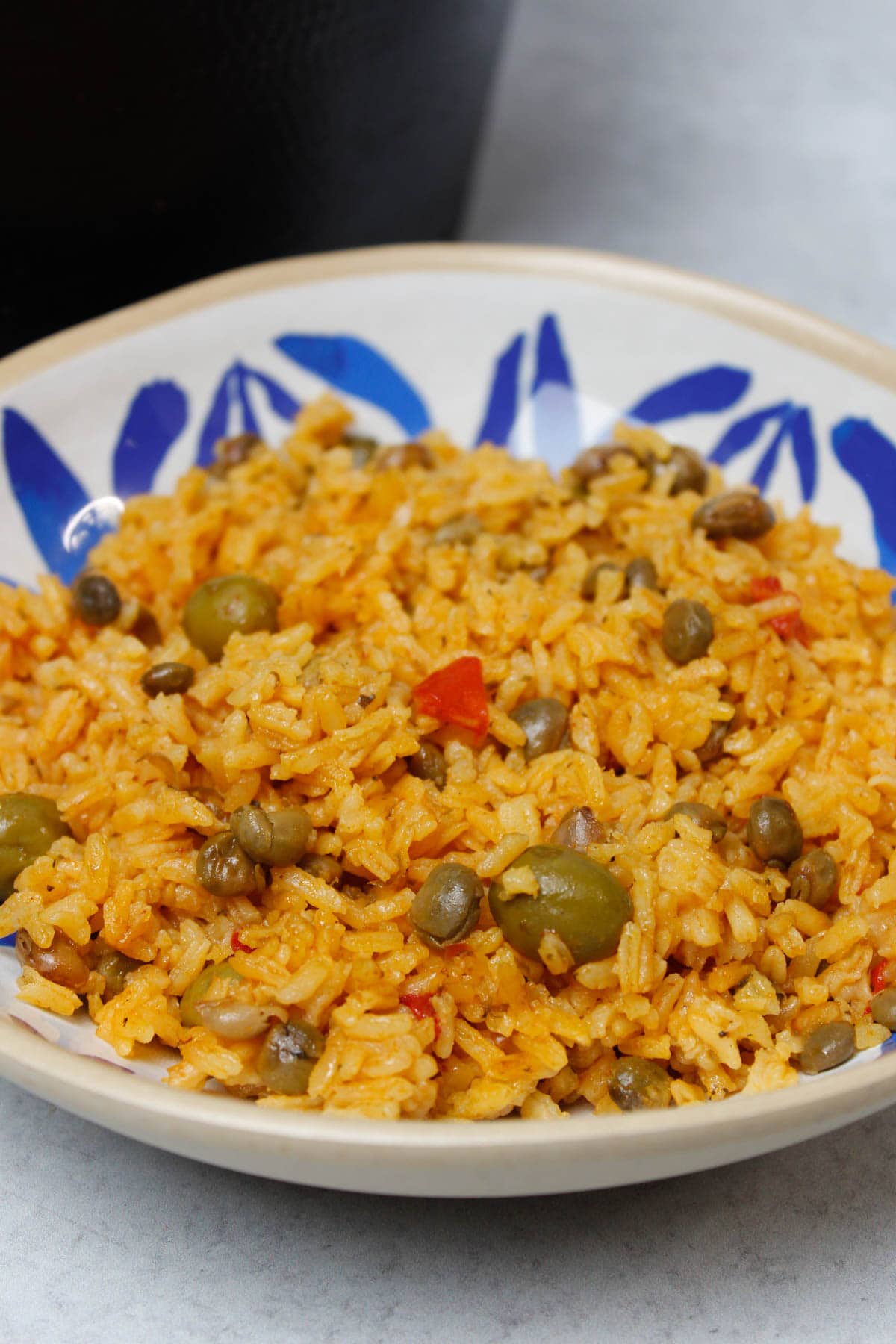 Medium
📜 Story
Medium
📜 Story
Arroz con Gandules
Rice with Pigeon Peas
Christmas Eve, celebrations, dinner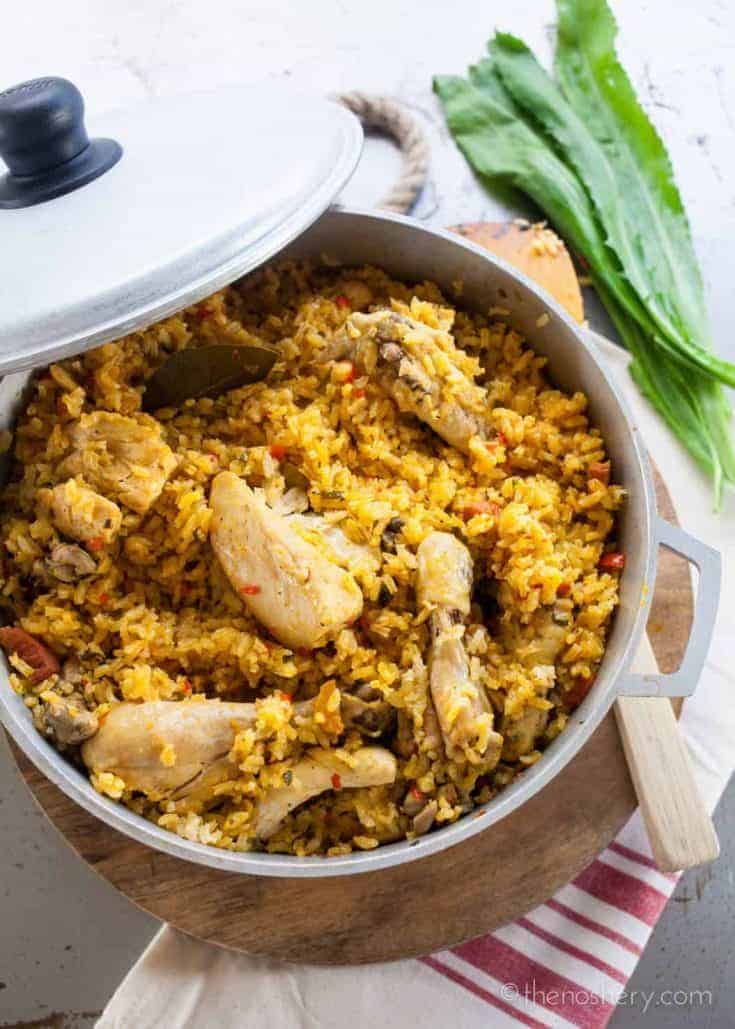 Medium
📜 Story
Medium
📜 Story
Arroz con Pollo
Puerto Rican Chicken and Rice
Weeknight dinner and family gatherings
Comments (0)
Log in to leave a comment.
No comments yet. Be the first to share your thoughts!