
Carne Guisada
Carne Guisada (KAR-neh gee-SAH-dah)
Puerto Rican Beef Stew
Tender chunks of beef braised in a rich sofrito, tomato, and olive sauce with potatoes and carrots until fork-tender.
Nutrition & Info
Equipment Needed
Presentation Guide
Instructions
-
1
Season beef cubes with adobo, sazon, salt, and pepper. Let rest twenty minutes.
-
2
Heat olive oil in a caldero. Sear beef in batches until browned on all sides. Remove and set aside.
-
3
Add sofrito and tomato sauce to the pot. Cook three minutes until darkened and fragrant.
-
4
Return beef to pot. Add stock, bay leaf, olives, and capers. Bring to a boil and reduce to a simmer.
-
5
Cover and cook forty-five minutes. Add potatoes and carrots, cook twenty more minutes until everything is tender.
-
6
Adjust seasoning and let the sauce thicken. Serve over white rice.
Did You Know?
The key to great carne guisada is the searing step — Puerto Rican cooks call this "sellar la carne" and consider it non-negotiable for building deep flavor.
Chef's Notes
Equipment Tips
- caldero or Dutch oven
- wooden spoon
- knife
Garnishing
cilantro
Accompaniments
white rice, habichuelas, maduros
The Story Behind Carne Guisada
Carne guisada is the beef counterpart to pollo guisado in the Puerto Rican kitchen, a slow-braised stew that transforms tough cuts of meat into tender, flavorful bites. The dish follows the fundamental sofrito-sazon-tomato technique that defines Puerto Rican cooking, applied to beef with the addition of olives and capers for brininess. Like all guisados, it is inseparable from white rice, and the sauce must be abundant enough to soak into every grain.
More Puerto Rican Dishes
 Hard
📜 Story
Hard
📜 Story
Alcapurrias
Stuffed Plantain and Yautia Fritters
Beach snack and street food Easy
📜 Story
Easy
📜 Story
Amarillos en Almibar
Plantains in Syrup
Dessert after family dinner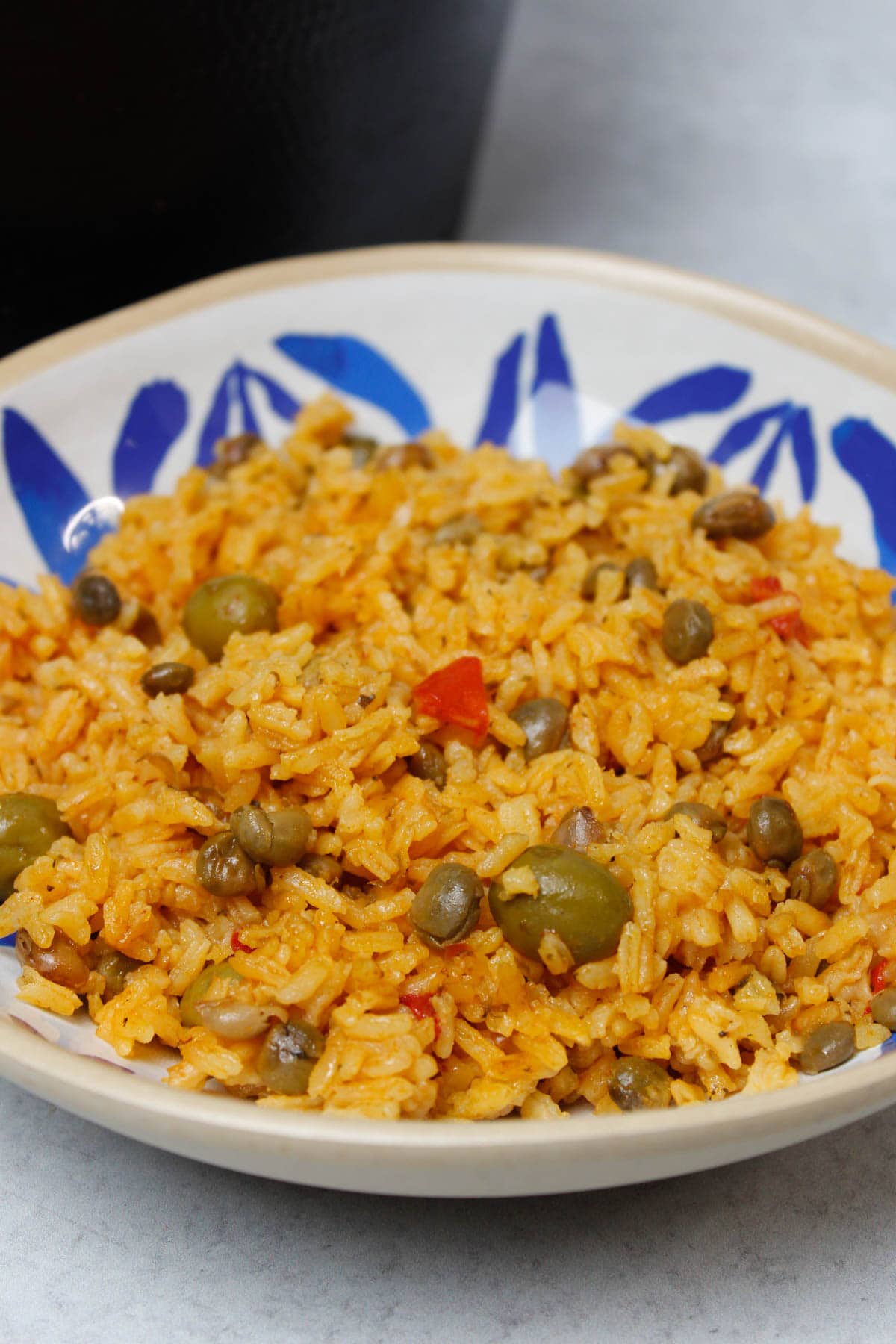 Medium
📜 Story
Medium
📜 Story
Arroz con Gandules
Rice with Pigeon Peas
Christmas Eve, celebrations, dinner Medium
📜 Story
Medium
📜 Story
Arroz con Pollo
Puerto Rican Chicken and Rice
Weeknight dinner and family gatherings
Comments (0)
Log in to leave a comment.
No comments yet. Be the first to share your thoughts!