
Thin, crispy fritters made from a seasoned batter of salted codfish, flour, and herbs, fried until golden and lacy around the edges.
Nutrition & Info
Allergen Warnings
Equipment Needed
Presentation Guide
Instructions
-
1
Soak salt cod overnight in cold water, changing water three times to remove excess salt. Shred finely.
-
2
Mix flour, water, baking powder, garlic, recao, and pepper into a smooth batter.
-
3
Fold shredded codfish into the batter until evenly distributed.
-
4
Heat oil to 375F in a deep skillet. Drop batter by spoonfuls, spreading thin with the spoon.
-
5
Fry until golden and crispy on both sides, about three minutes total. The edges should be lacy.
-
6
Drain on paper towels and serve immediately while hot and crispy.
Did You Know?
Bacalaitos are the most popular item at the famous Luquillo kiosks, where vendors fry hundreds of them every day in enormous cauldrons of oil.
Chef's Notes
Equipment Tips
- deep skillet
- mixing bowl
- slotted spoon
Garnishing
lime wedges, pique sauce
Accompaniments
cold beer, tostones
The Story Behind Bacalaitos
Bacalaitos arrived in Puerto Rico through Spanish colonial influence, where salted codfish was a staple food during Lenten fasting. Spanish merchants imported bacalao from the North Atlantic, and Puerto Ricans transformed it into these addictive fritters. Today bacalaitos are the quintessential beach snack, inseparable from the experience of visiting the island's coastal kiosks. The lacy, crispy edges and salty fish flavor make them irresistible straight from the fryer.
More Puerto Rican Dishes
 Hard
📜 Story
Hard
📜 Story
Alcapurrias
Stuffed Plantain and Yautia Fritters
Beach snack and street food Easy
📜 Story
Easy
📜 Story
Amarillos en Almibar
Plantains in Syrup
Dessert after family dinner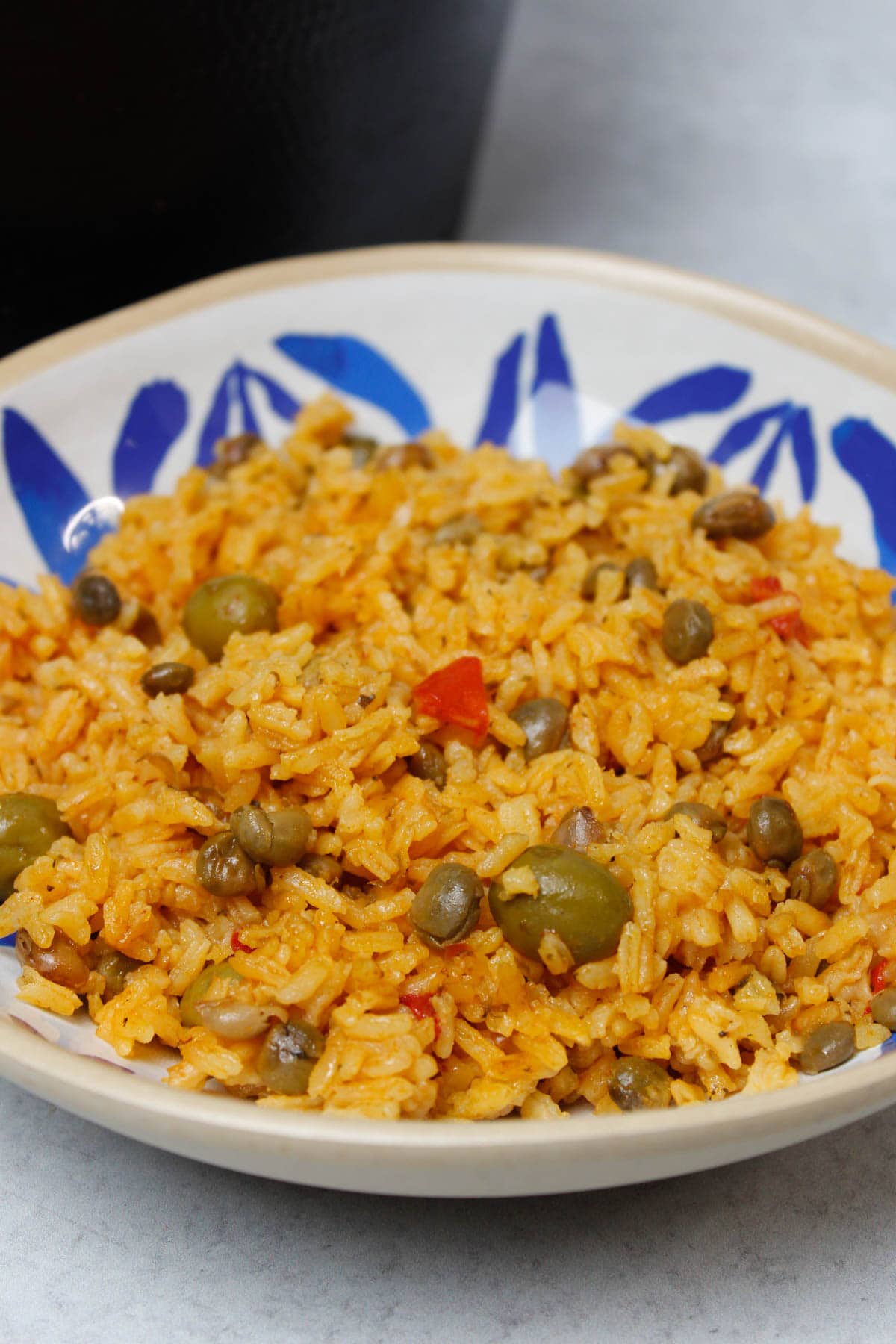 Medium
📜 Story
Medium
📜 Story
Arroz con Gandules
Rice with Pigeon Peas
Christmas Eve, celebrations, dinner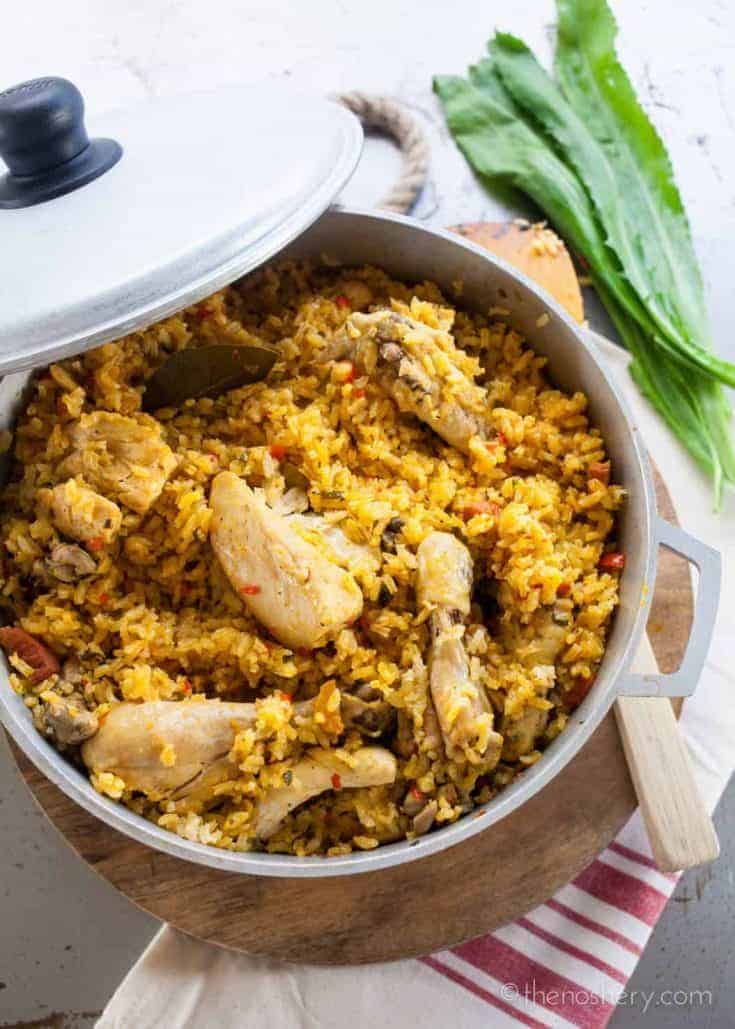 Medium
📜 Story
Medium
📜 Story
Arroz con Pollo
Puerto Rican Chicken and Rice
Weeknight dinner and family gatherings
Comments (0)
Log in to leave a comment.
No comments yet. Be the first to share your thoughts!