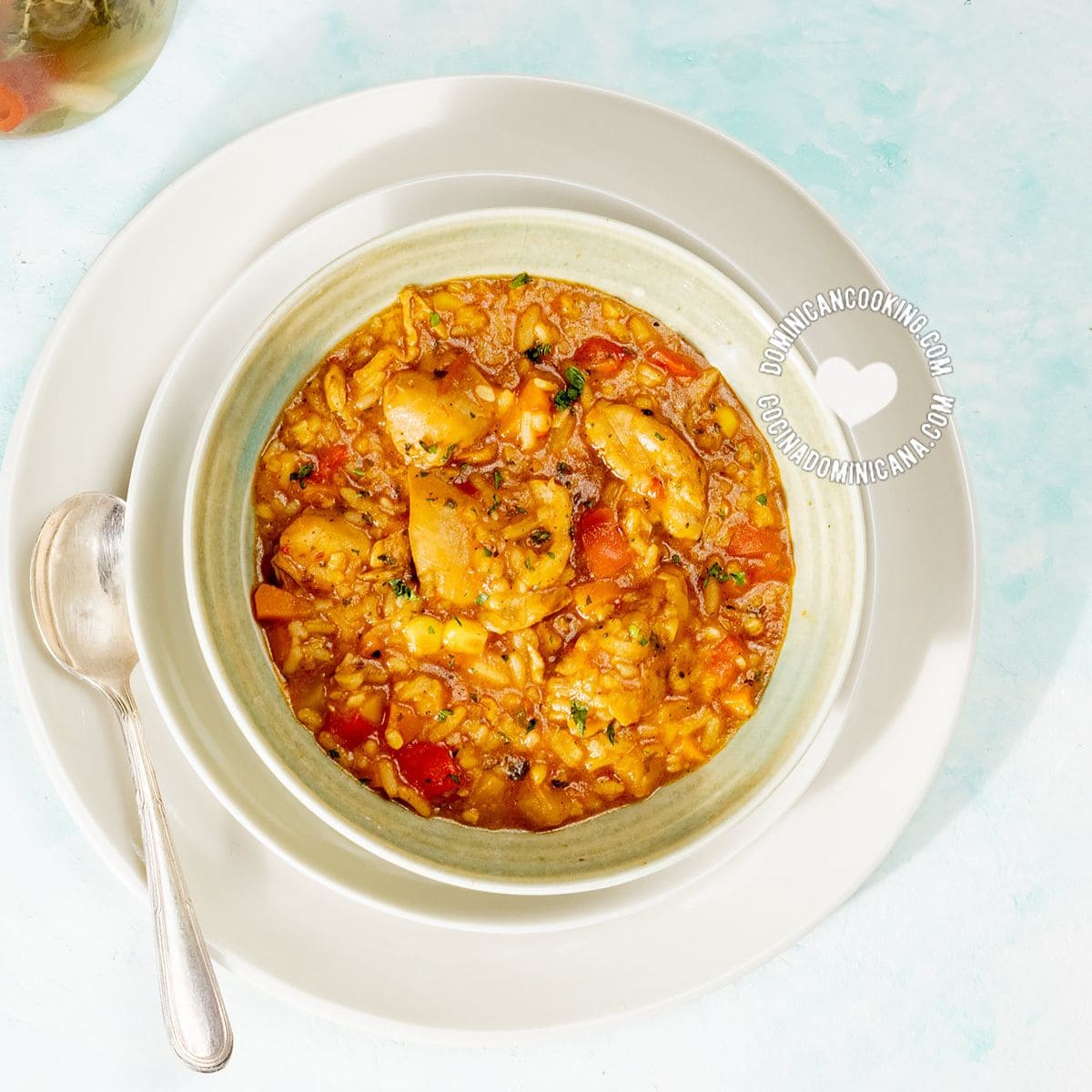
Asopao de Pollo
Asopao de Pollo (ah-soh-POW deh POH-yoh)
Puerto Rican Chicken Soup-Stew
A thick, hearty chicken and rice soup loaded with sofrito, olives, capers, and pigeon peas, thicker than soup but looser than stew.
Nutrition & Info
Equipment Needed
Presentation Guide
Instructions
-
1
Season chicken with adobo and sazon. Sear in olive oil in a large caldero until browned on all sides.
-
2
Add sofrito and tomato sauce, cook three minutes until fragrant and darkened.
-
3
Pour in chicken stock and bring to a boil. Reduce heat and simmer twenty minutes.
-
4
Add rice, olives, capers, pigeon peas, and bell pepper. Stir well to combine.
-
5
Cook twenty-five minutes, stirring occasionally, until rice is tender and the soup has thickened to a porridge-like consistency.
-
6
Adjust seasoning and serve in deep bowls. The asopao should be thick enough that a spoon stands up in it.
Did You Know?
Asopao is considered the ultimate Puerto Rican comfort food and is traditionally served at political rallies and town festivals to feed large crowds.
Chef's Notes
Equipment Tips
- caldero or large pot
- wooden spoon
- ladle
Garnishing
cilantro, lime wedge
Accompaniments
bread, avocado slices
The Story Behind Asopao de Pollo
Asopao is Puerto Rico's answer to chicken soup, a dish that combines Taino, Spanish, and African cooking traditions into one generous pot. The name derives from "sopao" meaning soupy, and this dish lives in the space between soup and stew. It became the go-to meal for feeding large groups at community events, political gatherings, and fiestas patronales. Every town in Puerto Rico has its own version, and debates over the proper thickness of asopao can become surprisingly heated.
More Puerto Rican Dishes
 Hard
📜 Story
Hard
📜 Story
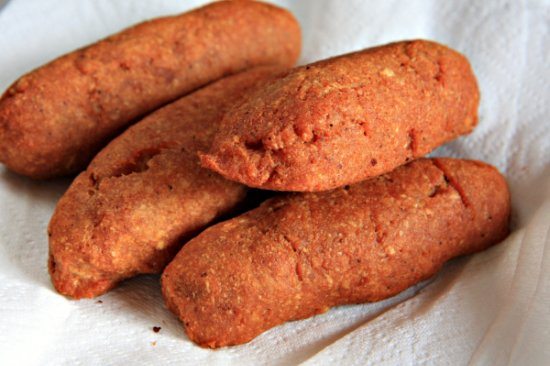
Alcapurrias
Stuffed Plantain and Yautia Fritters
Beach snack and street food Easy
📜 Story
Easy
📜 Story
Amarillos en Almibar
Plantains in Syrup
Dessert after family dinner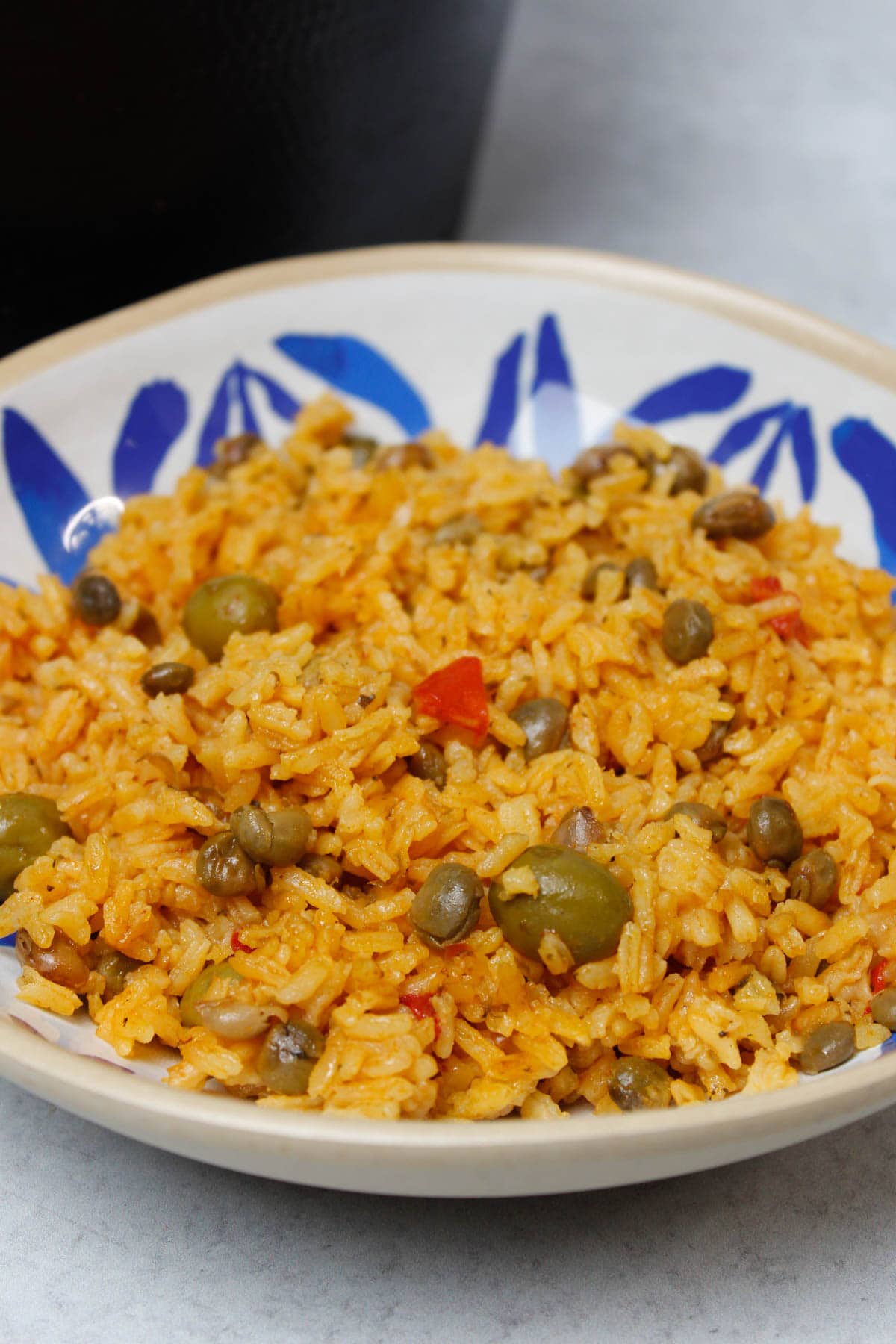 Medium
📜 Story
Medium
📜 Story
Arroz con Gandules
Rice with Pigeon Peas
Christmas Eve, celebrations, dinner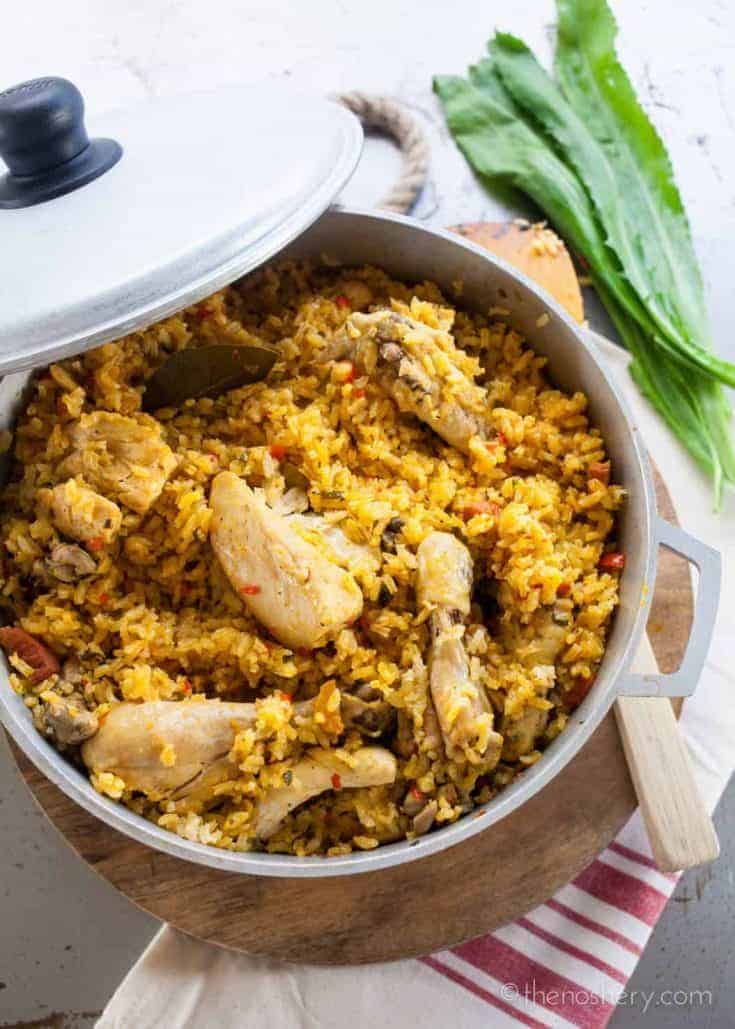 Medium
📜 Story
Medium
📜 Story
Arroz con Pollo
Puerto Rican Chicken and Rice
Weeknight dinner and family gatherings
Comments (0)
Log in to leave a comment.
No comments yet. Be the first to share your thoughts!