
Amarillos en Almibar
Amarillos en Almibar (ah-mah-REE-yohs en ahl-MEE-bar)
Plantains in Syrup
Ripe plantains baked in a cinnamon and clove syrup with butter, creating a sweet, sticky dessert with warm Caribbean spices.
Nutrition & Info
Allergen Warnings
Equipment Needed
Presentation Guide
Vessel: dessert plate
Garnishes: cinnamon stick, syrup drizzle
Accompaniments: vanilla ice cream, whipped cream
Instructions
-
1
Preheat oven to 375F. Arrange plantain halves in a single layer in a buttered baking dish.
-
2
Combine brown sugar, water, cinnamon sticks, cloves, butter, vanilla, and salt in a saucepan.
-
3
Heat over medium, stirring until sugar dissolves and syrup comes to a gentle boil.
-
4
Pour hot syrup over the plantains in the baking dish.
-
5
Bake thirty minutes, basting plantains with syrup every ten minutes, until soft and deeply caramelized.
-
6
Serve warm with the reduced syrup spooned over the top.
Did You Know?
This dessert is so simple and beloved that many Puerto Rican grandmothers can make it with their eyes closed, adjusting the syrup by smell alone.
Chef's Notes
Equipment Tips
- baking dish
- saucepan
- oven
Garnishing
cinnamon stick, syrup drizzle
Accompaniments
vanilla ice cream, whipped cream
The Story Behind Amarillos en Almibar
Amarillos en almibar represent the sweet side of Puerto Rico's deep relationship with plantains. This simple dessert transforms ripe plantains into an elegant finish to any meal through the magic of spiced sugar syrup. The technique of baking fruit in syrup came from Spanish confection traditions and found its perfect match in the naturally sweet Caribbean plantain. The warm cinnamon and clove notes make this a comforting dessert particularly popular during cooler evenings.
More Puerto Rican Dishes
 Hard
📜 Story
Hard
📜 Story
Alcapurrias
Stuffed Plantain and Yautia Fritters
Beach snack and street food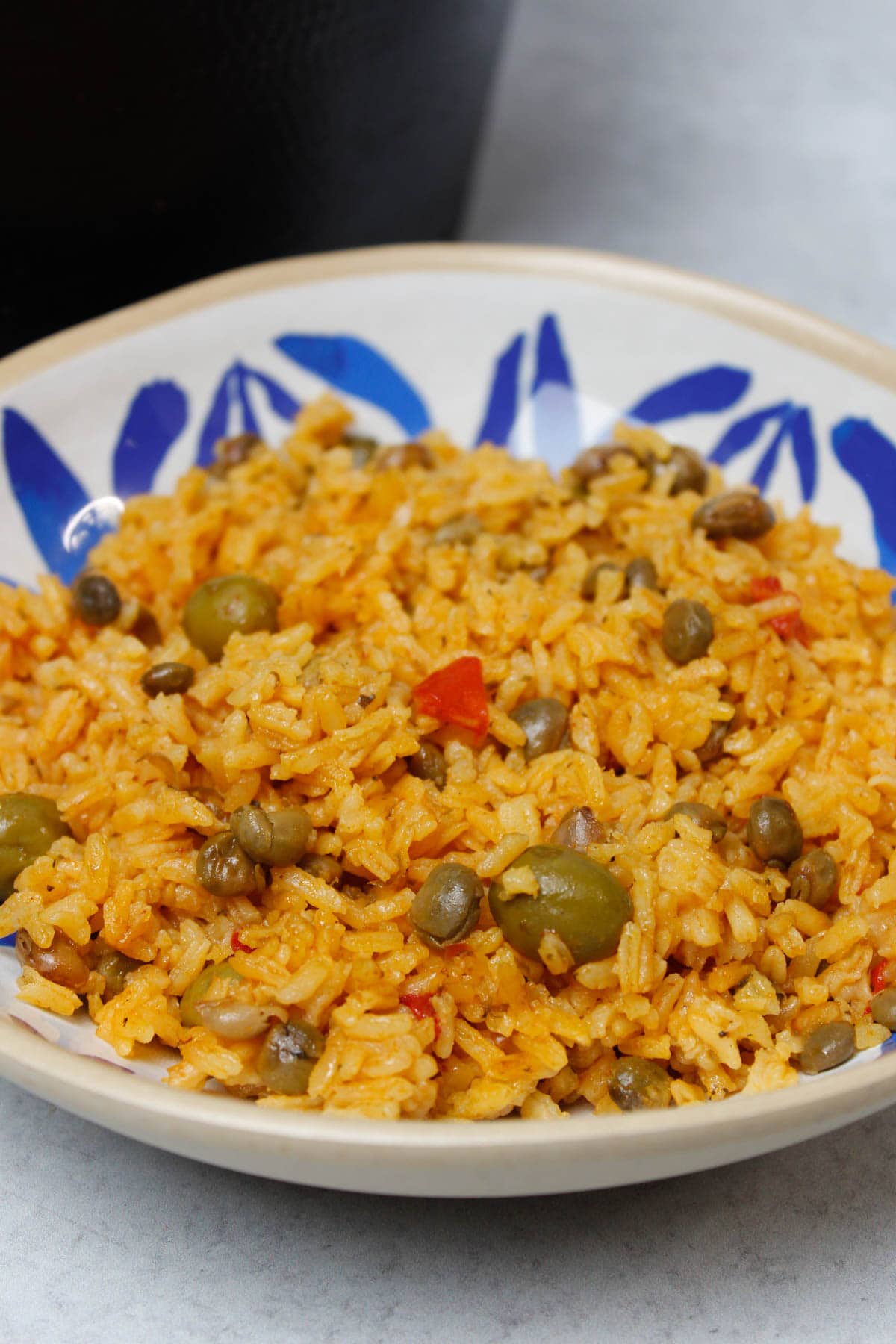 Medium
📜 Story
Medium
📜 Story
Arroz con Gandules
Rice with Pigeon Peas
Christmas Eve, celebrations, dinner Medium
📜 Story
Medium
📜 Story
Arroz con Pollo
Puerto Rican Chicken and Rice
Weeknight dinner and family gatherings Easy
📜 Story
Easy
📜 Story
Arroz Mamposteao
Refried Rice and Beans
Breakfast or quick dinner
Comments (1)
Log in to leave a comment.
Tasty