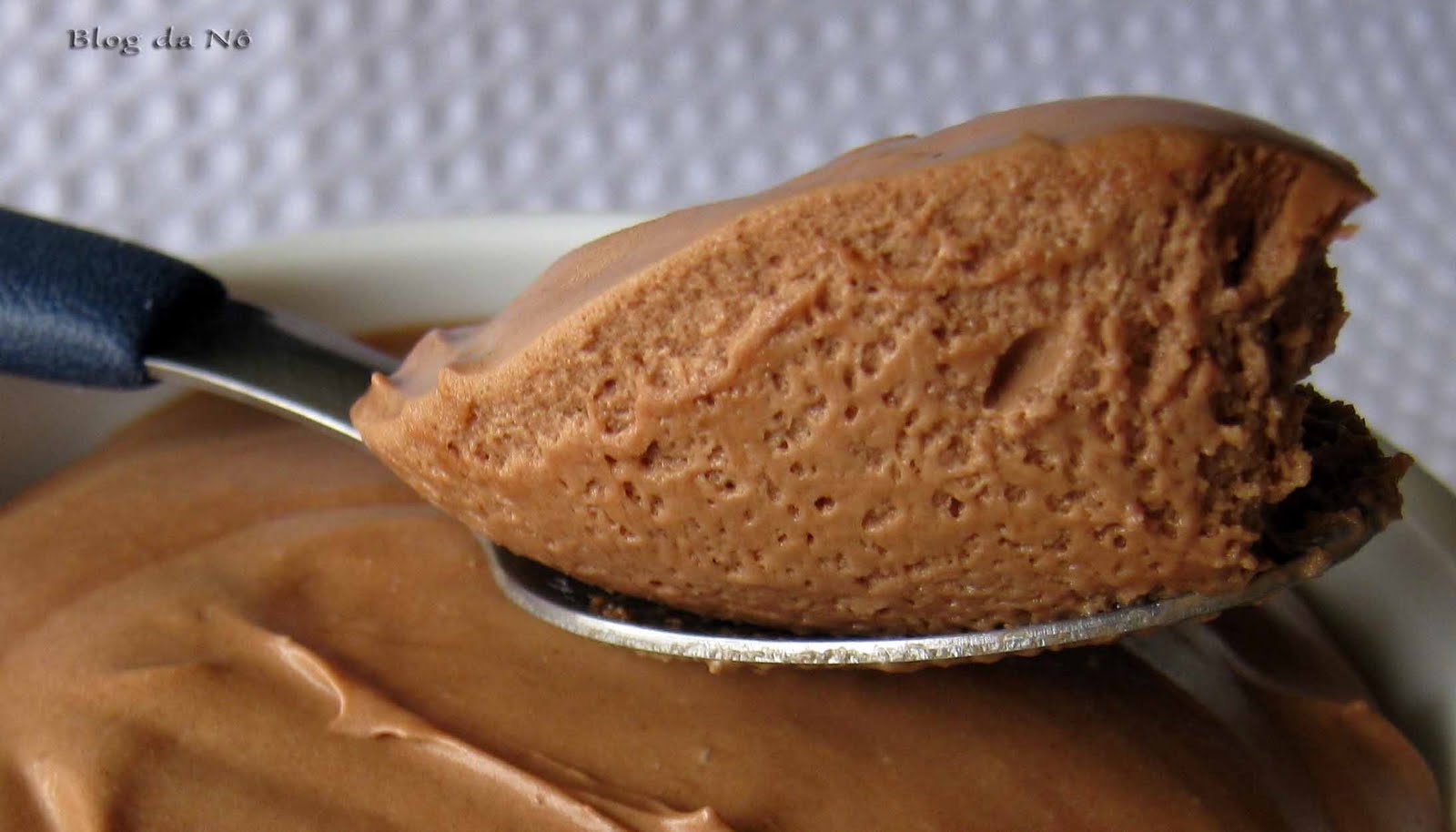
Mousse de Chocolate
Mousse de Chocolate (MOOSS deh shoh-koh-LAH-teh)
Portuguese Chocolate Mousse
A dense, intensely chocolatey mousse made with dark chocolate, egg yolks, butter, and a splash of port wine, whipped to a silky richness. Portugal's favorite chocolate dessert, simple but devastatingly good.
Nutrition & Info
Allergen Warnings
Equipment Needed
Presentation Guide
Vessel: glass ramekin or wine glass
Garnishes: whipped cream, chocolate shavings
Accompaniments: port wine, espresso
Instructions
-
1
Melt chocolate and butter together in a double boiler or microwave in 30-second intervals. Stir until smooth. Let cool slightly.
-
2
Beat egg yolks with half the sugar until pale and thick. Fold into the melted chocolate. Stir in port wine.
-
3
Beat egg whites with salt until soft peaks form. Gradually add remaining sugar and beat to stiff, glossy peaks.
-
4
Fold one-third of the whites into the chocolate mixture to lighten it. Then gently fold in the remaining whites in two additions.
-
5
Divide mousse among serving glasses or ramekins. Cover and refrigerate at least 4 hours.
-
6
Serve topped with a dollop of whipped cream.
Did You Know?
Portuguese chocolate mousse always includes port wine — locals consider a version without port to be merely French, not Portuguese.
Chef's Notes
Equipment Tips
- double boiler or microwave
- mixing bowls
- electric mixer
Garnishing
whipped cream, chocolate shavings
Accompaniments
port wine, espresso
The Story Behind Mousse de Chocolate
Mousse de chocolate arrived in Portugal through French culinary influence but was quickly adopted and given a distinctly Portuguese twist with the addition of port wine. It became the go-to dessert of Lisbon's cafes and restaurants in the mid-20th century and remains the most popular chocolate dessert in the country, served from humble tascas to Michelin-starred restaurants.
More Portuguese Dishes
Açorda Alentejana
Alentejo Bread and Garlic Soup
Lunch, supperAmêijoas à Bulhão Pato
Clams in Garlic and Coriander
Appetizer, petisco (Portuguese tapas) Medium
📜 Story
Medium
📜 Story
Arroz de Marisco
Seafood Rice
Lunch, Sunday family meals Hard
📜 Story
Hard
📜 Story
Arroz de Pato
Duck Rice
Sunday lunch, celebrations
Comments (0)
Log in to leave a comment.
No comments yet. Be the first to share your thoughts!