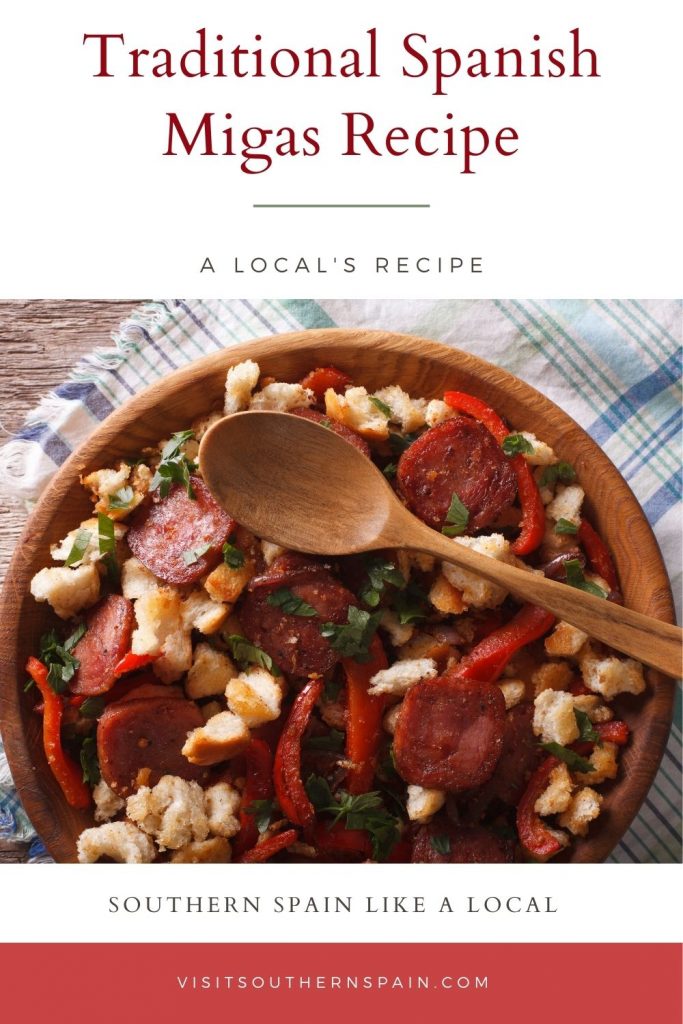
Migas Alentejanas
Migas Alentejanas (MEE-gash ah-len-teh-ZHAH-nash)
Alentejo Bread Migas
A rustic Alentejo dish of stale bread cooked with garlic, olive oil, and water until it forms a thick, savory porridge, served alongside grilled fish or meat. The ultimate expression of Portuguese waste-nothing cooking.
Nutrition & Info
Allergen Warnings
Equipment Needed
Presentation Guide
Vessel: earthenware plate
Garnishes: olive oil, coriander
Accompaniments: grilled fish, fried eggs, roasted peppers
Instructions
-
1
Tear bread into small, uneven pieces. Sprinkle with hot water to moisten evenly but not soak.
-
2
Heat olive oil in a heavy skillet over medium heat. Sauté garlic for 1 minute until fragrant.
-
3
Add moistened bread to the pan. Cook, pressing and turning with a wooden spoon, for 10-12 minutes.
-
4
Add vinegar and continue working the bread until it forms a cohesive, chunky mass — not smooth, not dry.
-
5
Season with salt. The texture should be like a thick, rough porridge with some crispy bits.
-
6
Serve immediately alongside grilled fish, fried eggs, or roasted vegetables.
Did You Know?
In the Alentejo, the quality of migas is judged by the sound it makes in the pan — a proper migas should sizzle and crackle as it crisps.
Chef's Notes
Equipment Tips
- heavy skillet
- wooden spoon
Garnishing
olive oil, coriander
Accompaniments
grilled fish, fried eggs, roasted peppers
The Story Behind Migas Alentejanas
Migas alentejanas embody the Alentejo's philosophy of wasting nothing. In a region of vast wheat fields but scarce wealth, stale bread was never discarded — it was transformed through olive oil and garlic into a dish of surprising depth and satisfaction. Migas remains the essential side dish of the Alentejo, as inseparable from the region as cork and cork oaks.
More Portuguese Dishes
Açorda Alentejana
Alentejo Bread and Garlic Soup
Lunch, supperAmêijoas à Bulhão Pato
Clams in Garlic and Coriander
Appetizer, petisco (Portuguese tapas) Medium
📜 Story
Medium
📜 Story
Arroz de Marisco
Seafood Rice
Lunch, Sunday family meals Hard
📜 Story
Hard
📜 Story
Arroz de Pato
Duck Rice
Sunday lunch, celebrations
Comments (0)
Log in to leave a comment.
No comments yet. Be the first to share your thoughts!