
Tender grape leaves wrapped around a spiced filling of rice, tomatoes, and fresh herbs, slow-cooked in a lemon-olive oil broth until the leaves are silky and the filling is perfectly steamed.
Nutrition & Info
Equipment Needed
Instructions
-
1
Rinse grape leaves in cold water to remove brine. Blanch briefly in boiling water if using fresh leaves. Trim any thick stems.
-
2
Mix soaked and drained rice with diced tomatoes, parsley, mint, onions, olive oil, allspice, cinnamon, salt, and pepper.
-
3
Place a grape leaf shiny-side down. Add a tablespoon of filling near the stem end. Fold sides inward and roll tightly into a cigar shape.
-
4
Line the bottom of a large pot with sliced potatoes or extra grape leaves to prevent sticking and burning.
-
5
Pack the rolled grape leaves tightly in concentric circles in the pot, layering as needed. Place a plate on top to keep them compressed.
-
6
Add lemon juice, olive oil, and water. Bring to a boil, then reduce to low heat. Cover and simmer 1-1.5 hours until leaves are tender and rice is cooked.
Did You Know?
A Palestinian grandmother can roll over 100 grape leaves in an hour — speed and uniformity of rolling are considered marks of culinary mastery.
Chef's Notes
Equipment Tips
- large pot
- cutting board
- plate for weighing down
The Story Behind Waraq Dawali
Stuffed grape leaves are one of the most ancient dishes in Levantine cuisine, with evidence of grape leaf cookery dating to the Byzantine era. In Palestinian culture, rolling grape leaves is a communal ritual, often bringing together multiple generations of women who sit, talk, and roll for hours. Each family's recipe reflects their regional identity — coastal families may add more lemon, while hill-country cooks might include more herbs. The dish is so central to Palestinian identity that the grape leaf itself has become a symbol of home and heritage.
More Palestinian Dishes
 Medium
📜 Story
Medium
📜 Story
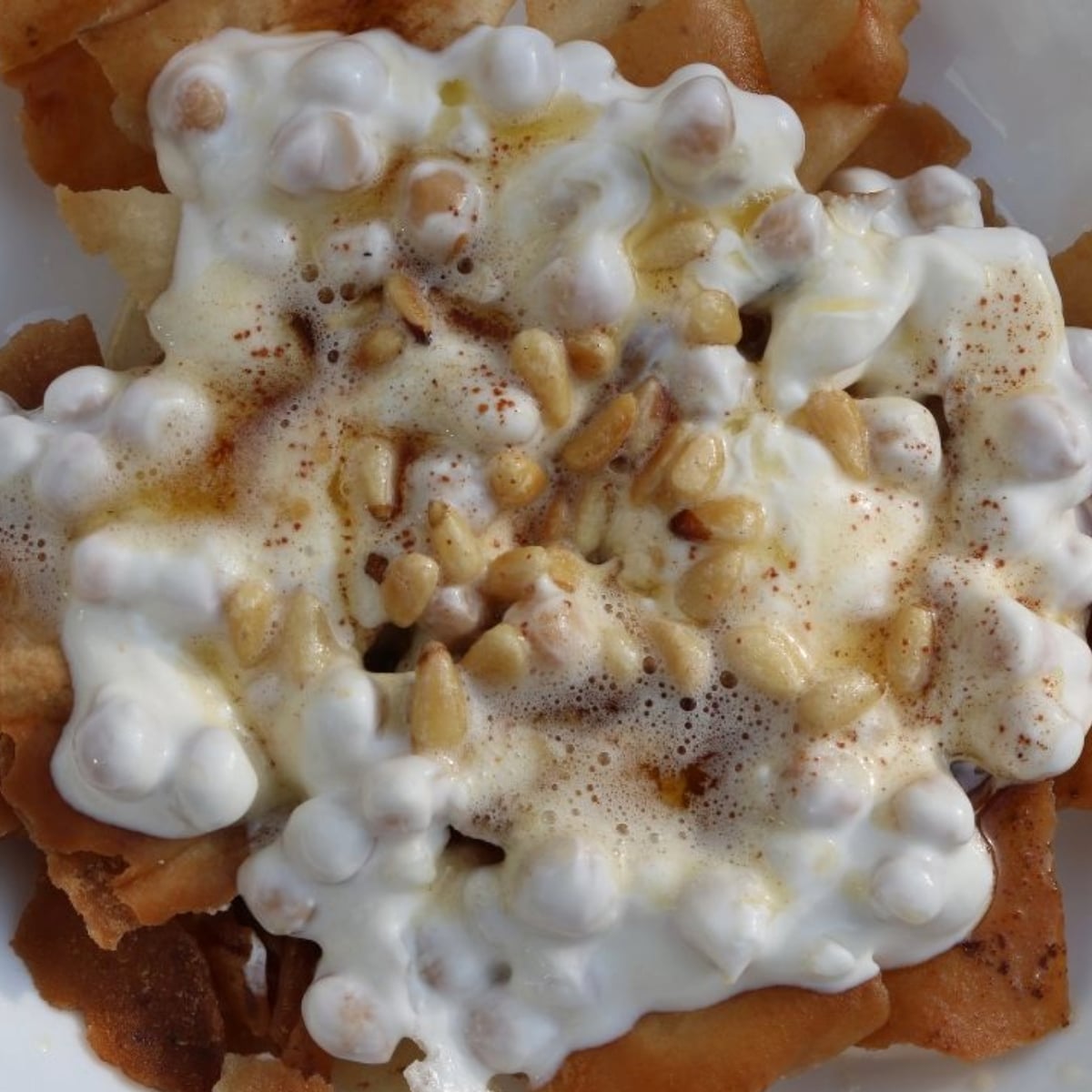
Fattet Hummus
Layered Chickpea and Bread Bowl
Festive breakfast, Eid morning Easy
📜 Story
Easy
📜 Story
Ful Mudammas
Slow-Cooked Fava Beans
Breakfast, daily stapleHummus
Chickpea and Tahini Dip
Breakfast, meze, any meal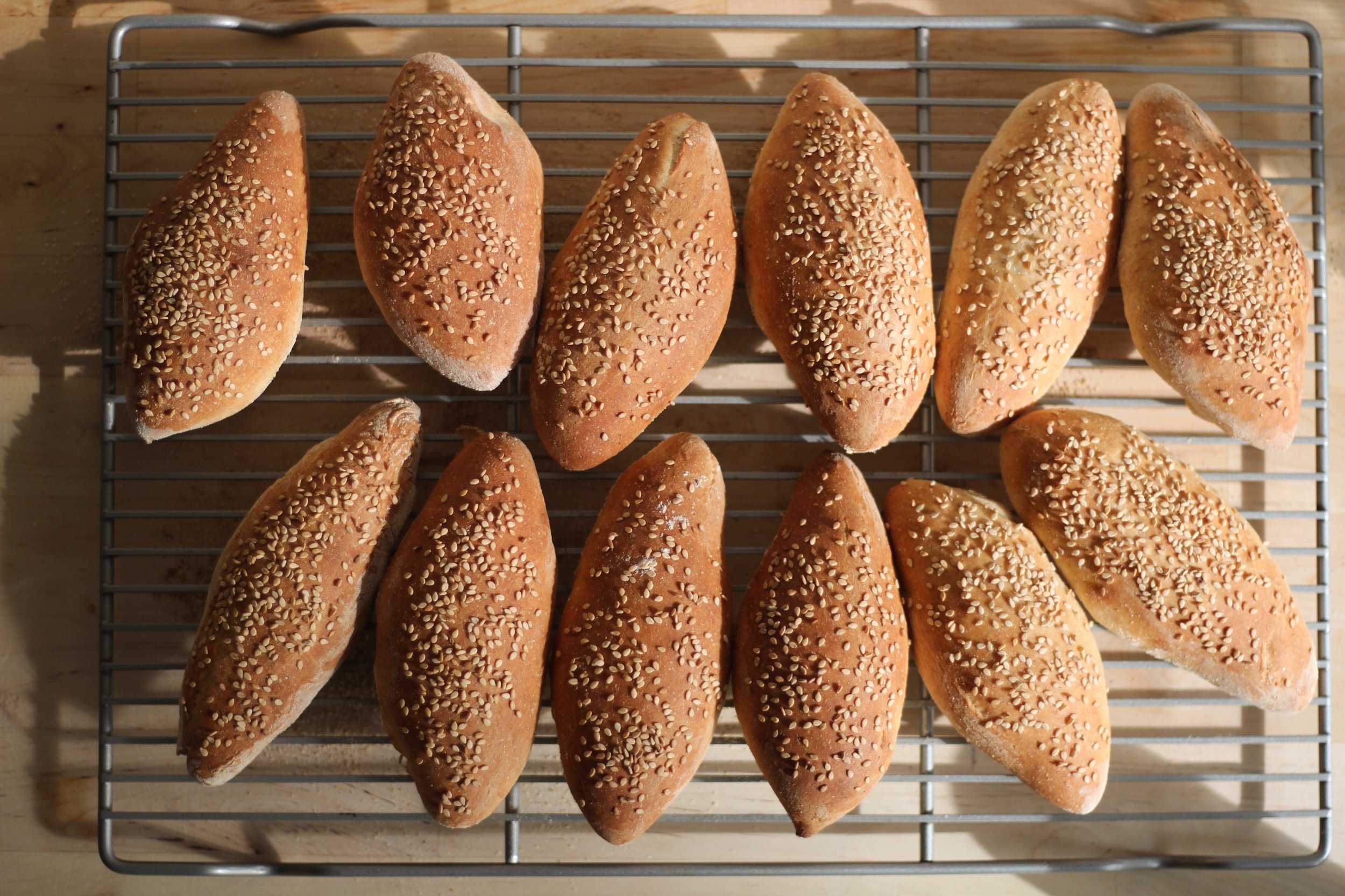 Medium
📜 Story
Medium
📜 Story
Ka'ak al-Quds
Jerusalem Sesame Bread
Breakfast, street snack
Comments (0)
Log in to leave a comment.
No comments yet. Be the first to share your thoughts!