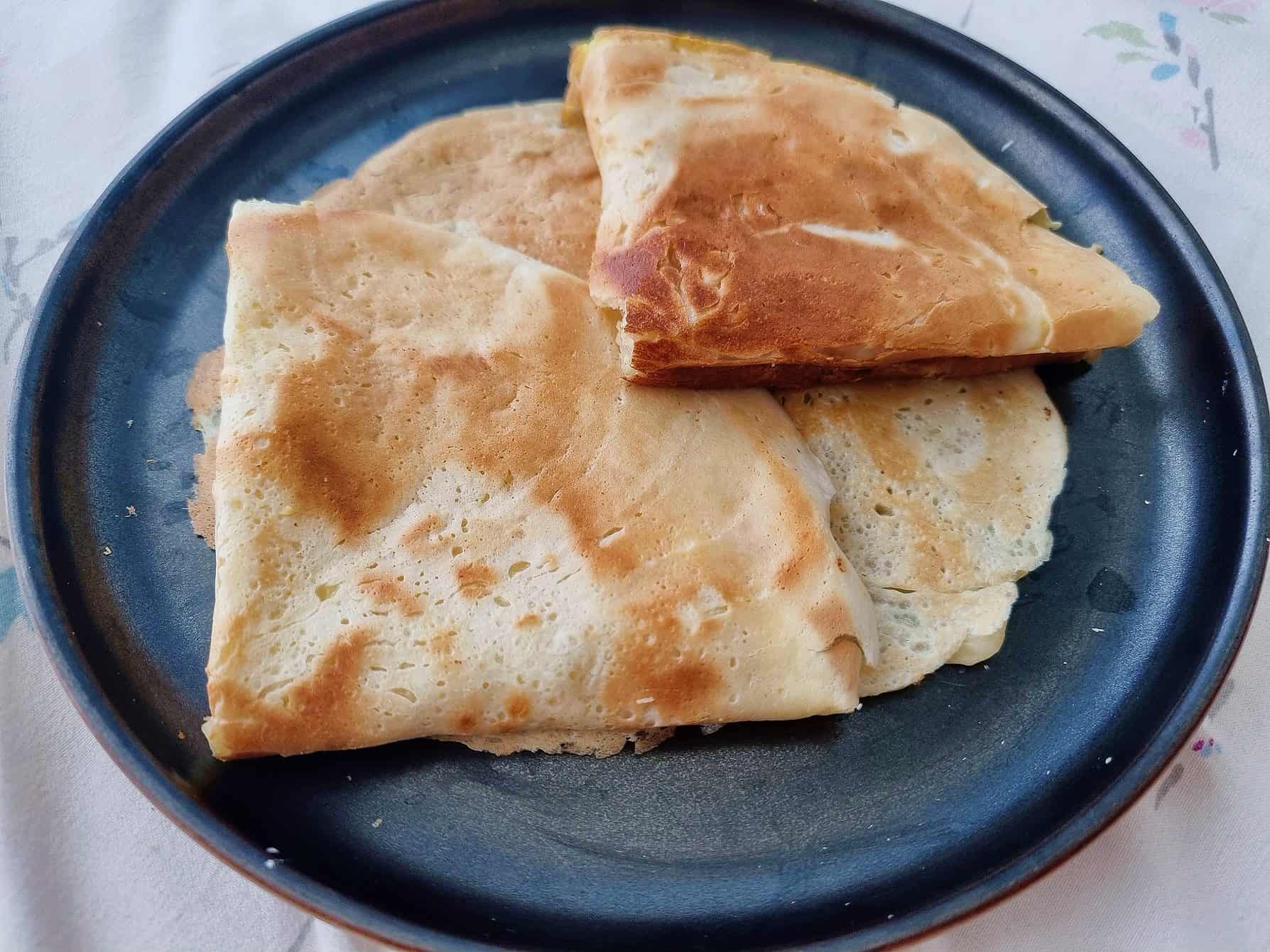
Thin, slightly charred flatbread baked on heated stones in a traditional clay taboon oven. The bread emerges with distinctive dimples and a smoky, earthy flavor impossible to replicate in conventional ovens.
Nutrition & Info
Allergen Warnings
Equipment Needed
Instructions
-
1
Combine flours, salt, yeast, and sugar in a large bowl. Add warm water and olive oil, mix until a shaggy dough forms.
-
2
Knead for 8-10 minutes on a floured surface until the dough is smooth and elastic. Cover and rest for 45 minutes.
-
3
Divide dough into 6 equal balls. On a floured surface, stretch each ball into a thin round, about 25cm in diameter.
-
4
Preheat a baking stone or inverted cast-iron pan in a 260C oven for at least 30 minutes until very hot.
-
5
Carefully transfer each stretched dough round onto the hot stone. Bake for 3-4 minutes until puffed and charred in spots.
-
6
Stack baked breads in a clean towel to keep warm and soft. Serve immediately with olive oil, za'atar, or alongside stews.
Did You Know?
Traditional taboon ovens are clay domes built into the ground, heated with wood and dried animal dung — the fuel contributes a unique smoky flavor.
Chef's Notes
Equipment Tips
- large bowl
- baking stone or inverted cast-iron pan
- oven or stovetop
The Story Behind Taboon
The taboon oven is one of the oldest baking technologies in the Levant, with archaeological evidence of clay ovens in Palestine dating back thousands of years. The word taboon refers both to the oven itself and the bread baked in it. In Palestinian villages, the taboon oven was traditionally a communal structure where women gathered to bake bread, share news, and strengthen social bonds. The bread baked inside has a distinctive texture — thin, slightly charred, with pebble-marked dimples from the heated stones — that no modern oven can fully replicate.
More Palestinian Dishes
 Medium
📜 Story
Medium
📜 Story
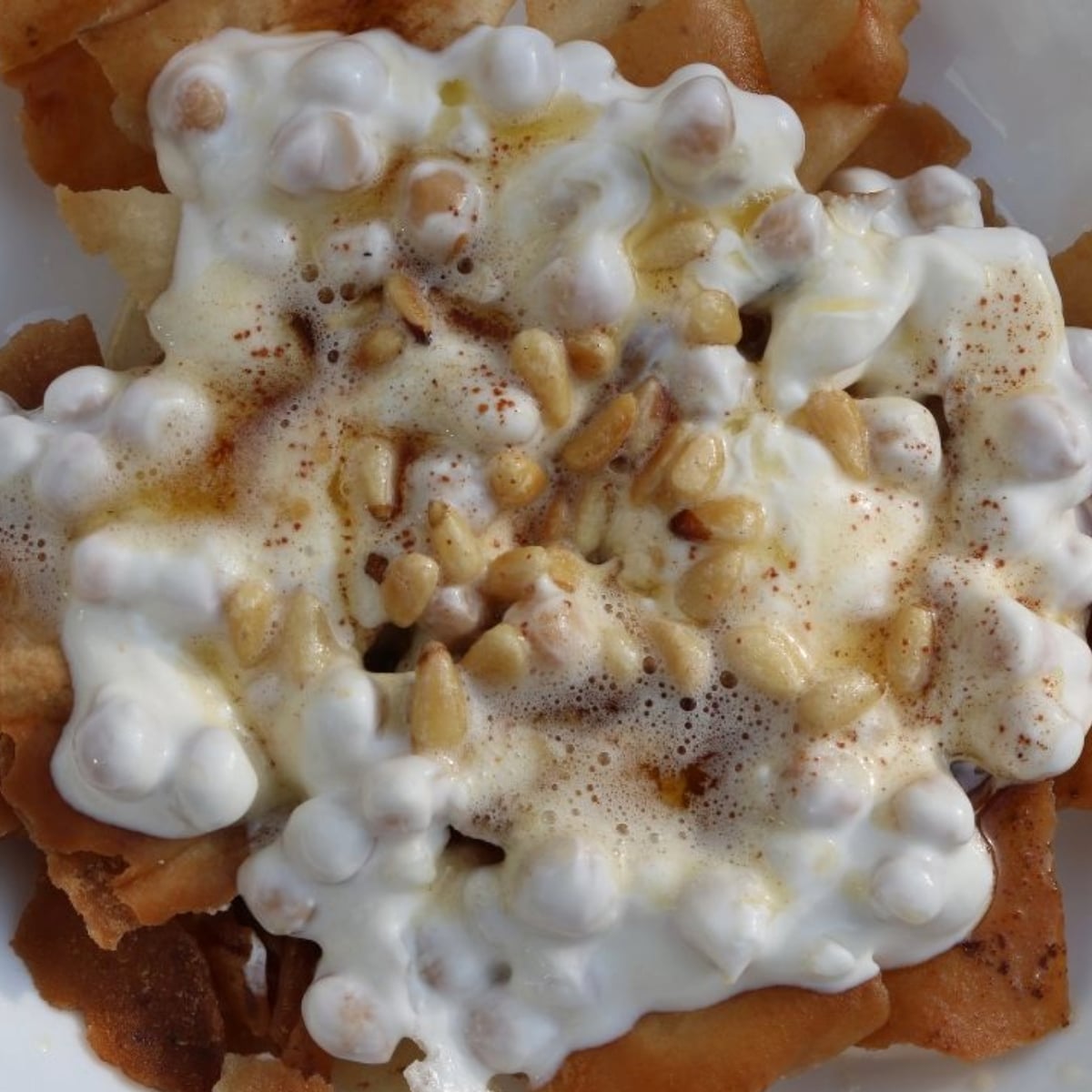
Fattet Hummus
Layered Chickpea and Bread Bowl
Festive breakfast, Eid morning Easy
📜 Story
Easy
📜 Story
Ful Mudammas
Slow-Cooked Fava Beans
Breakfast, daily stapleHummus
Chickpea and Tahini Dip
Breakfast, meze, any meal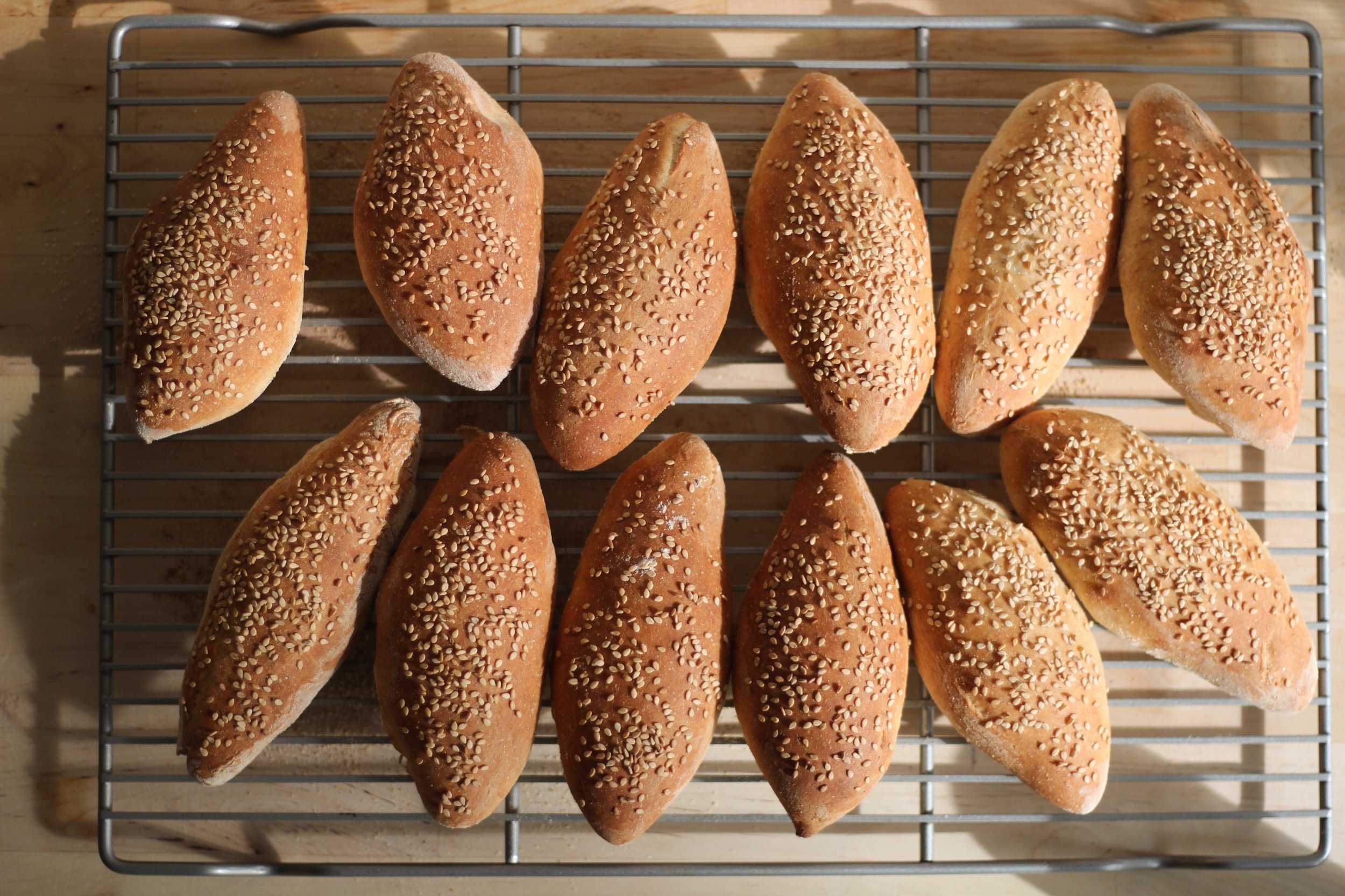 Medium
📜 Story
Medium
📜 Story
Ka'ak al-Quds
Jerusalem Sesame Bread
Breakfast, street snack
Comments (0)
Log in to leave a comment.
No comments yet. Be the first to share your thoughts!