
A unique Gazan stew featuring a rich, tangy sauce of ground sumac and tahini simmered with tender chard, chickpeas, and dill. Its deep purple-red color and sour complexity make it unlike anything else in Levantine cuisine.
Nutrition & Info
Allergen Warnings
Equipment Needed
Instructions
-
1
Soak ground sumac in 3 cups of hot water for 30 minutes. Strain through a fine sieve, pressing to extract all the tangy red liquid.
-
2
Sauté diced onion in olive oil until softened. Add garlic and cook for one minute until fragrant.
-
3
Add chopped chard and cook until wilted, about 5 minutes. Stir in chickpeas, cumin, and chili flakes.
-
4
Pour the strained sumac liquid into the pot. Bring to a gentle simmer and cook for 20 minutes.
-
5
Whisk tahini with a little water until smooth, then stir into the stew. Add chopped dill and simmer 10 more minutes.
-
6
Adjust seasoning with salt and lemon juice. Serve hot over rice or with plenty of bread for dipping.
Did You Know?
Sumaghiyyeh is so strongly identified with Gaza that Palestinians from other regions often cannot identify it — it is a true Gazan signature.
Chef's Notes
Equipment Tips
- large pot
- fine strainer
- blender
The Story Behind Sumaghiyyeh
Sumaghiyyeh is a distinctively Gazan dish that showcases the unique culinary identity of the Gaza Strip within Palestinian cuisine. The dish relies on sumac, a wild-growing berry dried and ground into a sour spice that has been used in Levantine cooking for millennia. Gazan cooks developed this stew as a way to harness sumac's intense sourness, tempering it with the richness of tahini and the earthiness of chard and dill. The dish is typically prepared during cooler months and for special occasions, representing Gaza's proud culinary distinctiveness.
More Palestinian Dishes
 Medium
📜 Story
Medium
📜 Story
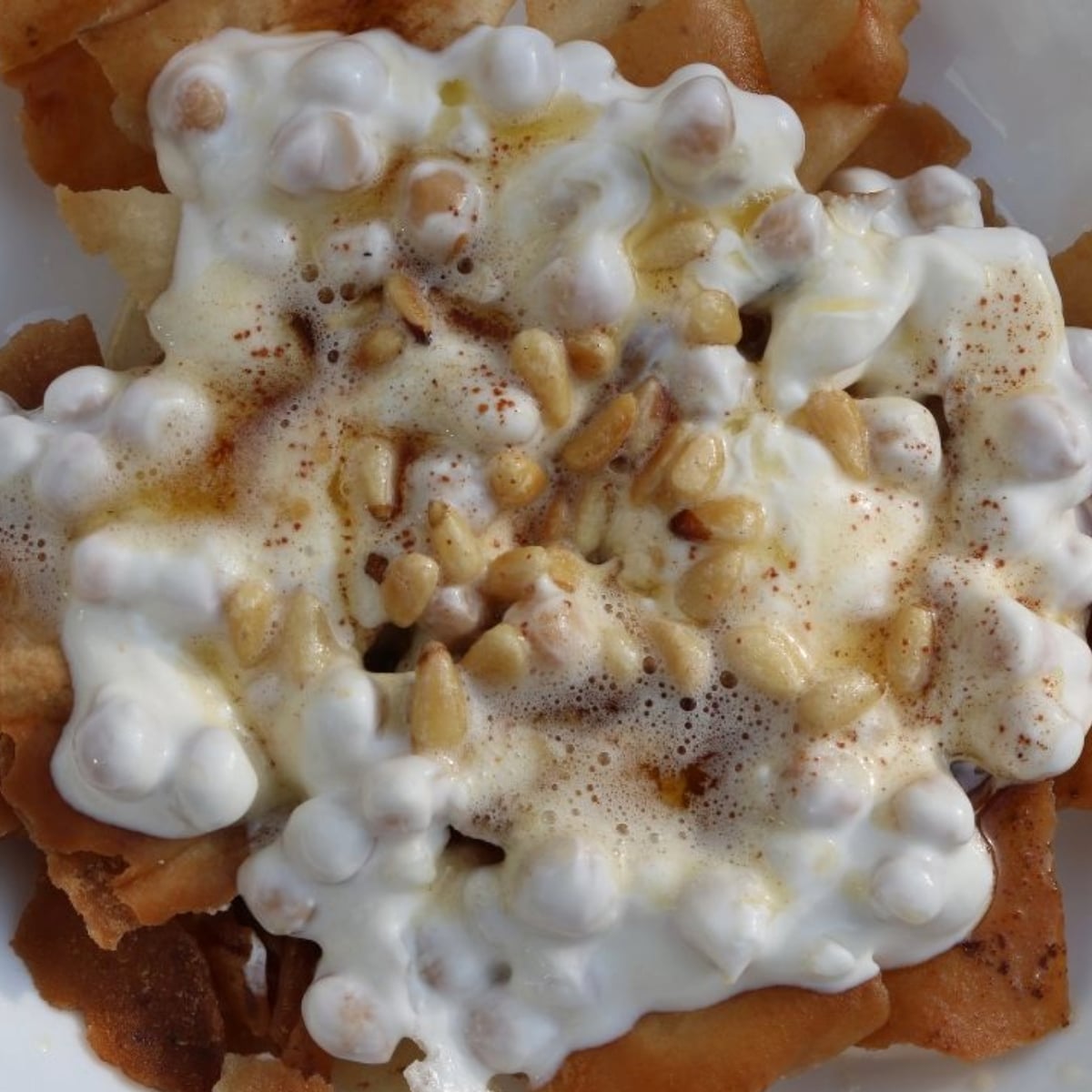
Fattet Hummus
Layered Chickpea and Bread Bowl
Festive breakfast, Eid morning Easy
📜 Story
Easy
📜 Story
Ful Mudammas
Slow-Cooked Fava Beans
Breakfast, daily stapleHummus
Chickpea and Tahini Dip
Breakfast, meze, any meal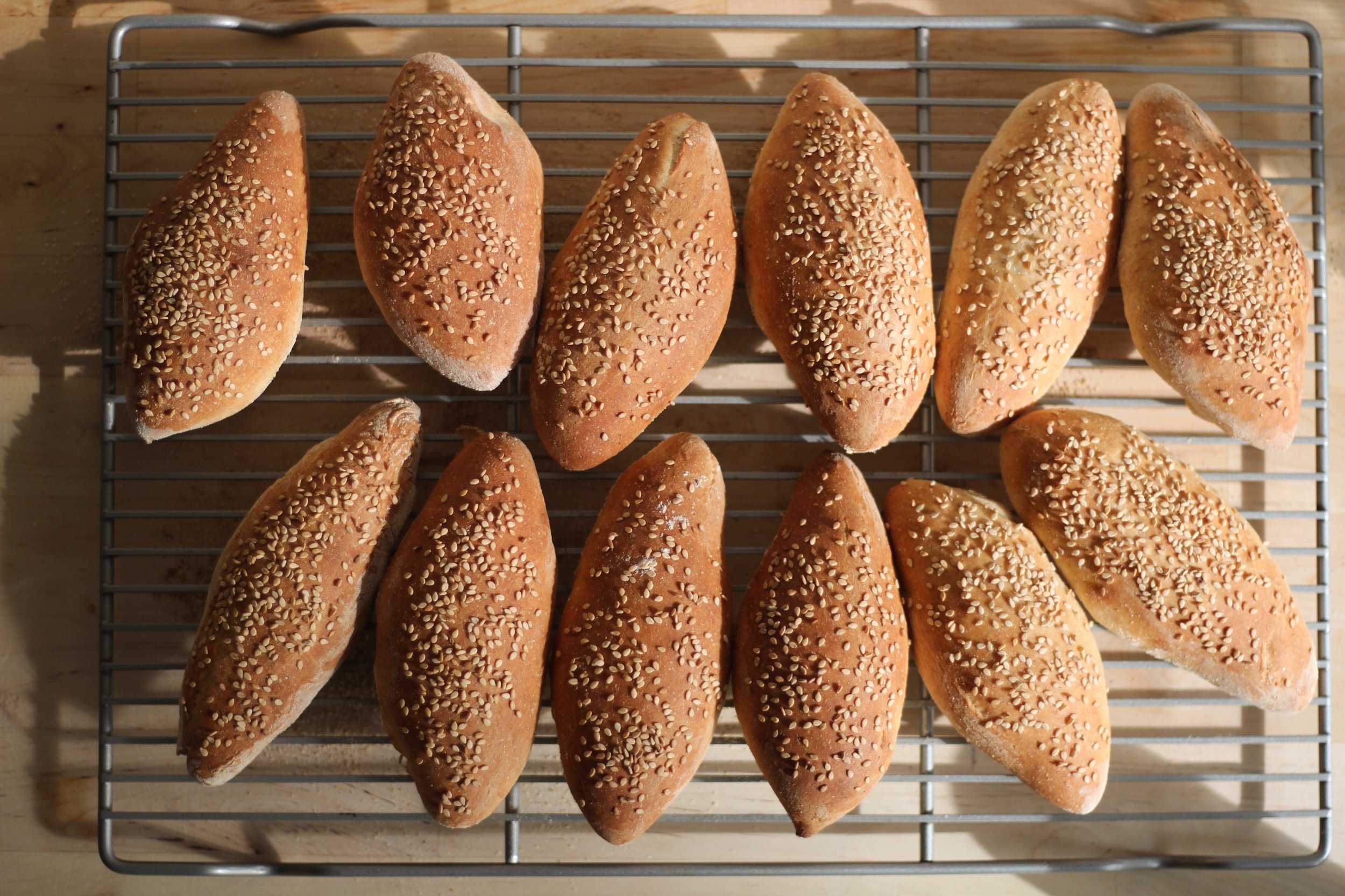 Medium
📜 Story
Medium
📜 Story
Ka'ak al-Quds
Jerusalem Sesame Bread
Breakfast, street snack
Comments (0)
Log in to leave a comment.
No comments yet. Be the first to share your thoughts!