A vibrant Gazan stew of red lentils cooked with pomegranate molasses, fresh dill, and garlic, finished with crispy fried onions. The sweet-tart depth of pomegranate makes this humble lentil dish extraordinary.
Nutrition & Info
Equipment Needed
Instructions
-
1
Rinse red lentils thoroughly. Bring to a boil in 4 cups of water, then reduce heat and simmer for 20 minutes until lentils are completely soft.
-
2
Fry sliced onions slowly in vegetable oil until deeply golden and crispy, about 15 minutes. Set half aside for garnish.
-
3
Add the remaining fried onions, garlic, cumin, and chili flakes to the lentils. Stir in pomegranate molasses and cook 10 more minutes.
-
4
Stir in the chopped dill and half the pomegranate seeds. Adjust seasoning with salt and more pomegranate molasses if needed.
-
5
The stew should be thick and porridge-like. If too thick, add a splash of water; if too thin, simmer uncovered to reduce.
-
6
Serve in bowls, topped with the reserved crispy onions, remaining pomegranate seeds, and a drizzle of olive oil.
Did You Know?
Palestinian grandmothers say the secret to great rummaniyyeh is patience — the lentils must be stirred slowly and lovingly until they become silky.
Chef's Notes
Equipment Tips
- large pot
- skillet
- wooden spoon
The Story Behind Rummaniyyeh
Rummaniyyeh takes its name from "rumman," the Arabic word for pomegranate, a fruit that has been cultivated in Palestine for thousands of years. This hearty Gazan stew celebrates the autumn pomegranate harvest, combining the fruit's sweet-tart juice and molasses with earthy lentils and aromatic dill. The dish represents the resourceful Palestinian approach to cooking, creating deeply flavorful meals from affordable pantry staples. It is particularly associated with the Gaza Strip, where pomegranate trees have historically flourished in the warm coastal climate.
More Palestinian Dishes
 Medium
📜 Story
Medium
📜 Story
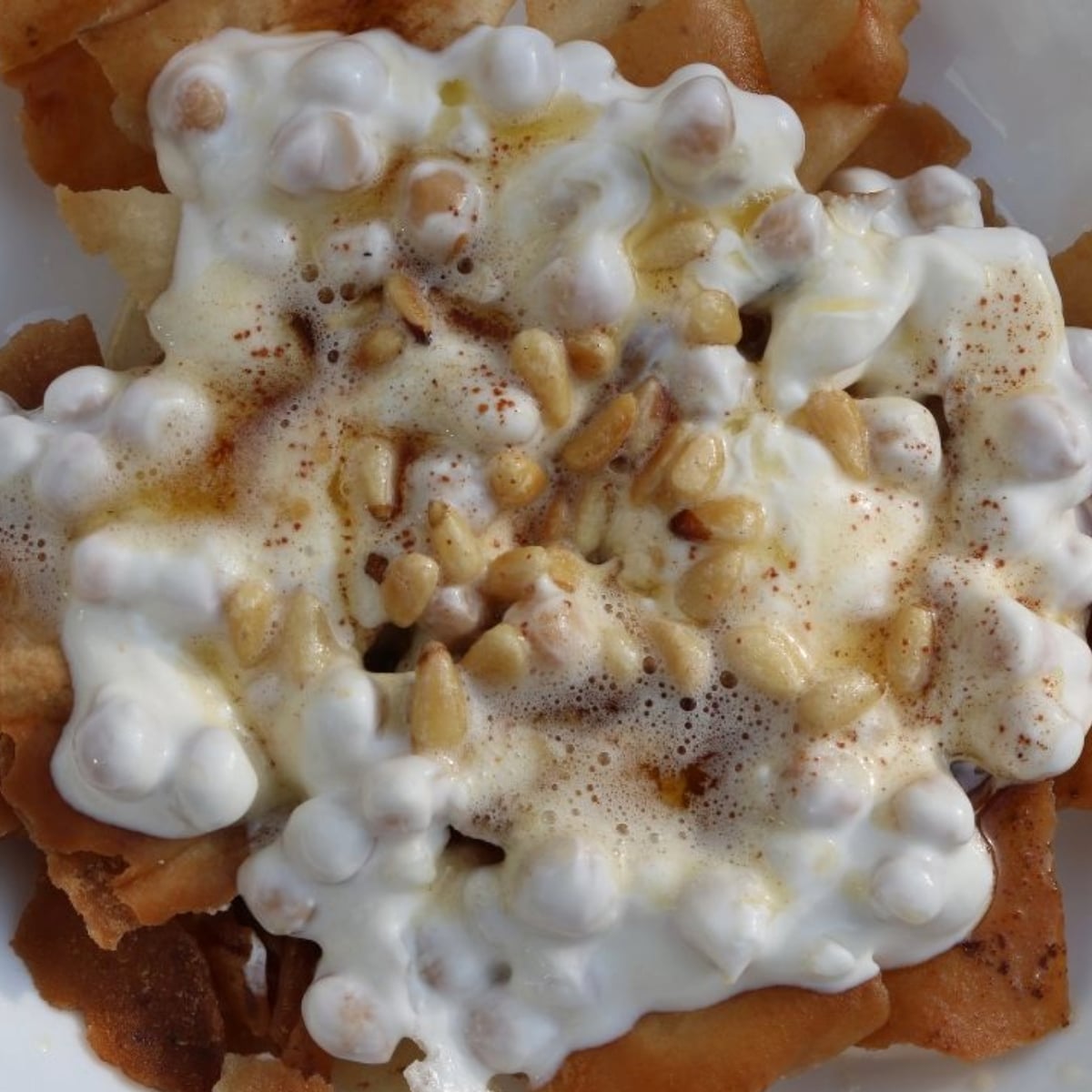
Fattet Hummus
Layered Chickpea and Bread Bowl
Festive breakfast, Eid morning Easy
📜 Story
Easy
📜 Story
Ful Mudammas
Slow-Cooked Fava Beans
Breakfast, daily stapleHummus
Chickpea and Tahini Dip
Breakfast, meze, any meal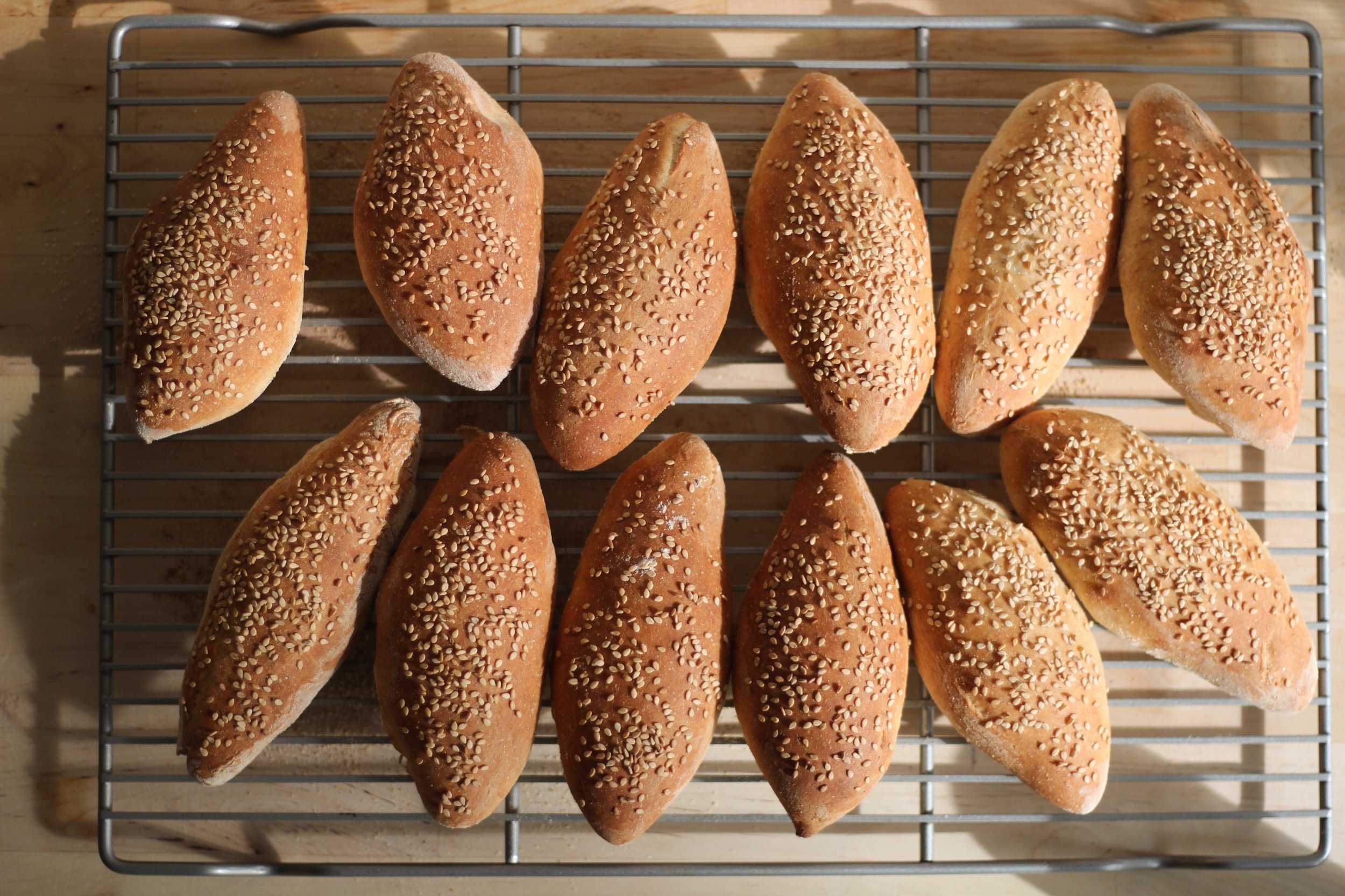 Medium
📜 Story
Medium
📜 Story
Ka'ak al-Quds
Jerusalem Sesame Bread
Breakfast, street snack
Comments (0)
Log in to leave a comment.
No comments yet. Be the first to share your thoughts!