
Spongy, yeasted pancakes folded around sweet cheese or walnut filling, sealed, then fried until golden and drenched in rose-scented sugar syrup. These crescent-shaped sweets are the quintessential Ramadan dessert.
Nutrition & Info
Allergen Warnings
Equipment Needed
Instructions
-
1
Mix flour, yeast, baking powder, and sugar. Whisk in warm water until smooth. Rest batter for 30 minutes until bubbly.
-
2
Make syrup by boiling sugar and water with lemon juice for 8 minutes. Add rose water, stir, and cool completely.
-
3
Heat a non-stick pan on medium. Pour small ladles of batter to form 8cm circles. Cook one side only until surface is set and bubbly.
-
4
Place a spoonful of cheese or nut filling on each pancake. Fold in half and pinch edges firmly to seal into crescent shapes.
-
5
Fry sealed qatayef in 175C oil for 2-3 minutes until deep golden brown on both sides. Drain on a wire rack.
-
6
Immediately dip hot qatayef into cold syrup for 10 seconds, or drizzle syrup generously over them. Serve warm.
Did You Know?
During Ramadan, qatayef vendors set up temporary stalls across Palestine, and the sound of batter hitting hot pans signals that iftar is approaching.
Chef's Notes
Equipment Tips
- non-stick pan
- mixing bowl
- deep fryer or pot
- wire rack
The Story Behind Qatayef
Qatayef date back to the Abbasid caliphate, where they were described in medieval Arab cookbooks as a prized Ramadan delicacy. In Palestine, qatayef are synonymous with Ramadan — their appearance in bakeries and street stalls marks the beginning of the holy month as surely as the crescent moon. The tradition of making qatayef is so deeply embedded in Palestinian Ramadan culture that a Ramadan without them is considered incomplete. Both cheese and nut-filled versions are equally beloved, though family preferences are fiercely defended.
More Palestinian Dishes
 Medium
📜 Story
Medium
📜 Story
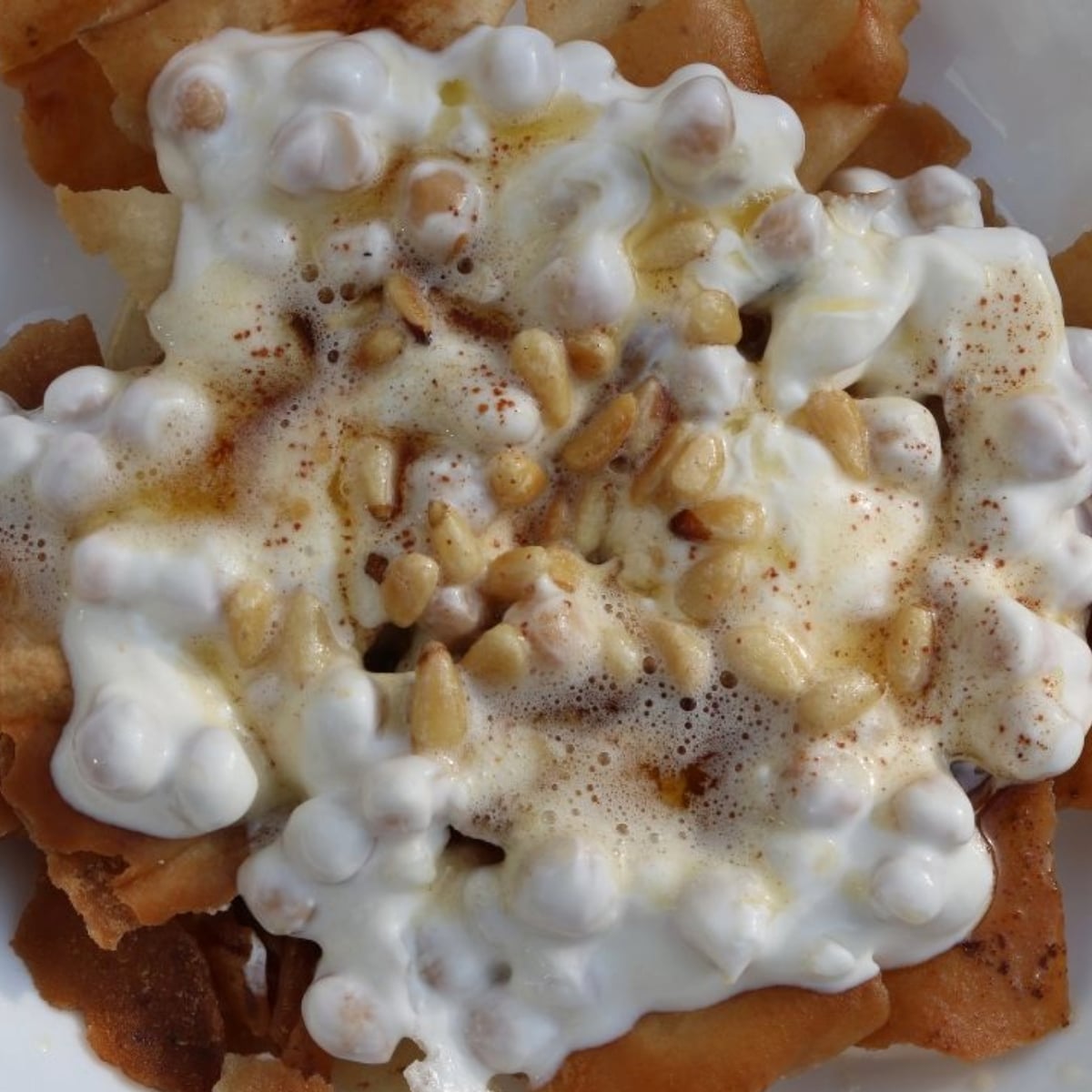
Fattet Hummus
Layered Chickpea and Bread Bowl
Festive breakfast, Eid morning Easy
📜 Story
Easy
📜 Story
Ful Mudammas
Slow-Cooked Fava Beans
Breakfast, daily stapleHummus
Chickpea and Tahini Dip
Breakfast, meze, any meal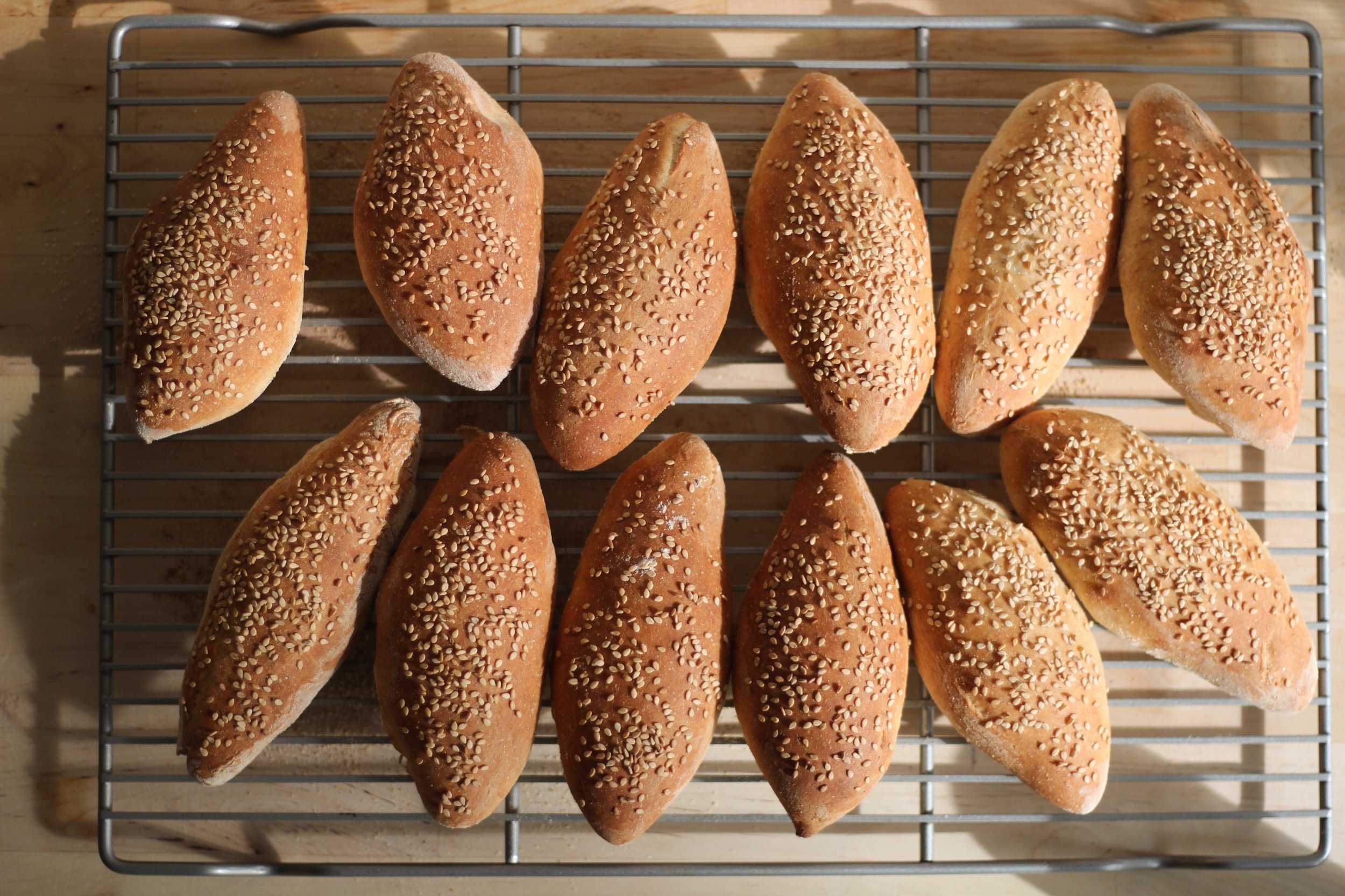 Medium
📜 Story
Medium
📜 Story
Ka'ak al-Quds
Jerusalem Sesame Bread
Breakfast, street snack
Comments (0)
Log in to leave a comment.
No comments yet. Be the first to share your thoughts!