
A delicate, silky milk pudding set with cornstarch and perfumed with rose water, served chilled and garnished with crushed pistachios and a drizzle of rose syrup. This ethereal dessert is pure elegance in simplicity.
Nutrition & Info
Allergen Warnings
Equipment Needed
Instructions
-
1
Dissolve cornstarch in 1/2 cup of cold milk, whisking until completely smooth with no lumps remaining.
-
2
Heat remaining milk with sugar in a saucepan over medium heat, stirring until the sugar dissolves completely.
-
3
When milk is hot but not boiling, pour in the cornstarch mixture while whisking constantly to prevent lumps.
-
4
Continue stirring over medium heat for 5-7 minutes until the mixture thickens enough to coat the back of a spoon.
-
5
Remove from heat and stir in rose water and orange blossom water. Pour into individual serving cups or a large shallow dish.
-
6
Cover with plastic wrap touching the surface to prevent skin. Refrigerate for at least 3 hours until fully set. Garnish with pistachios, rose syrup, and a dust of cinnamon.
Did You Know?
Palestinian sweet shops judge a muhallabieh by its wobble — it should tremble like a gentle wave when tapped, neither too firm nor too loose.
Chef's Notes
Equipment Tips
- saucepan
- whisk
- serving cups or bowls
The Story Behind Muhallabieh
Muhallabieh is one of the oldest documented desserts in Arab culinary history, with recipes appearing in cookbooks from the Abbasid caliphate in the 7th-10th centuries. Named after an Arab general, al-Muhallab ibn Abi Sufra, who reportedly commissioned its creation, the pudding spread across the entire Arab world and became a beloved Palestinian dessert. Its appeal lies in its purity — just milk, starch, and fragrant rose water — elevated by the artistry of achieving the perfect trembling texture. In Palestine, it is served at special occasions and throughout Ramadan, a cool, gentle ending to festive meals.
More Palestinian Dishes
 Medium
📜 Story
Medium
📜 Story
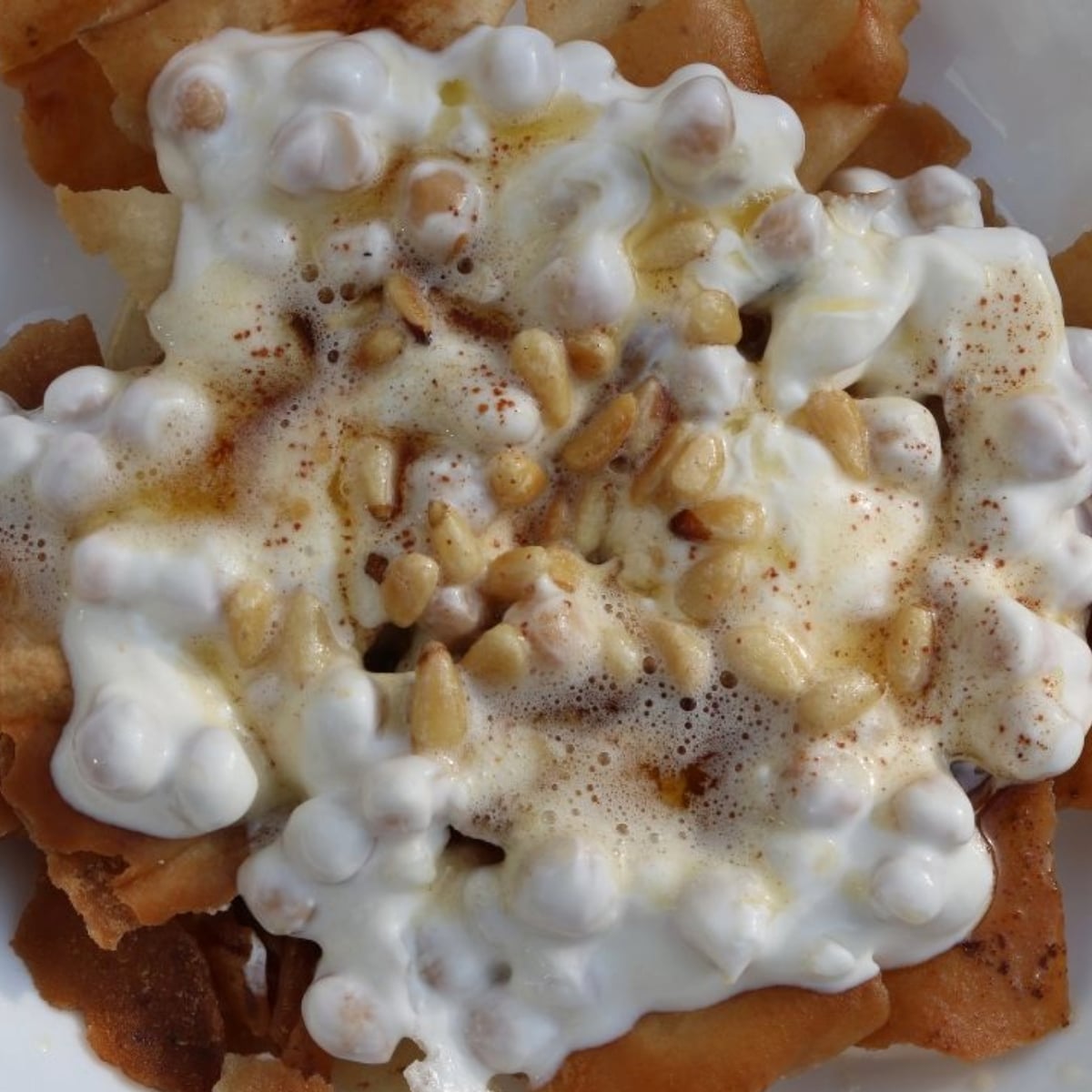
Fattet Hummus
Layered Chickpea and Bread Bowl
Festive breakfast, Eid morning Easy
📜 Story
Easy
📜 Story
Ful Mudammas
Slow-Cooked Fava Beans
Breakfast, daily stapleHummus
Chickpea and Tahini Dip
Breakfast, meze, any meal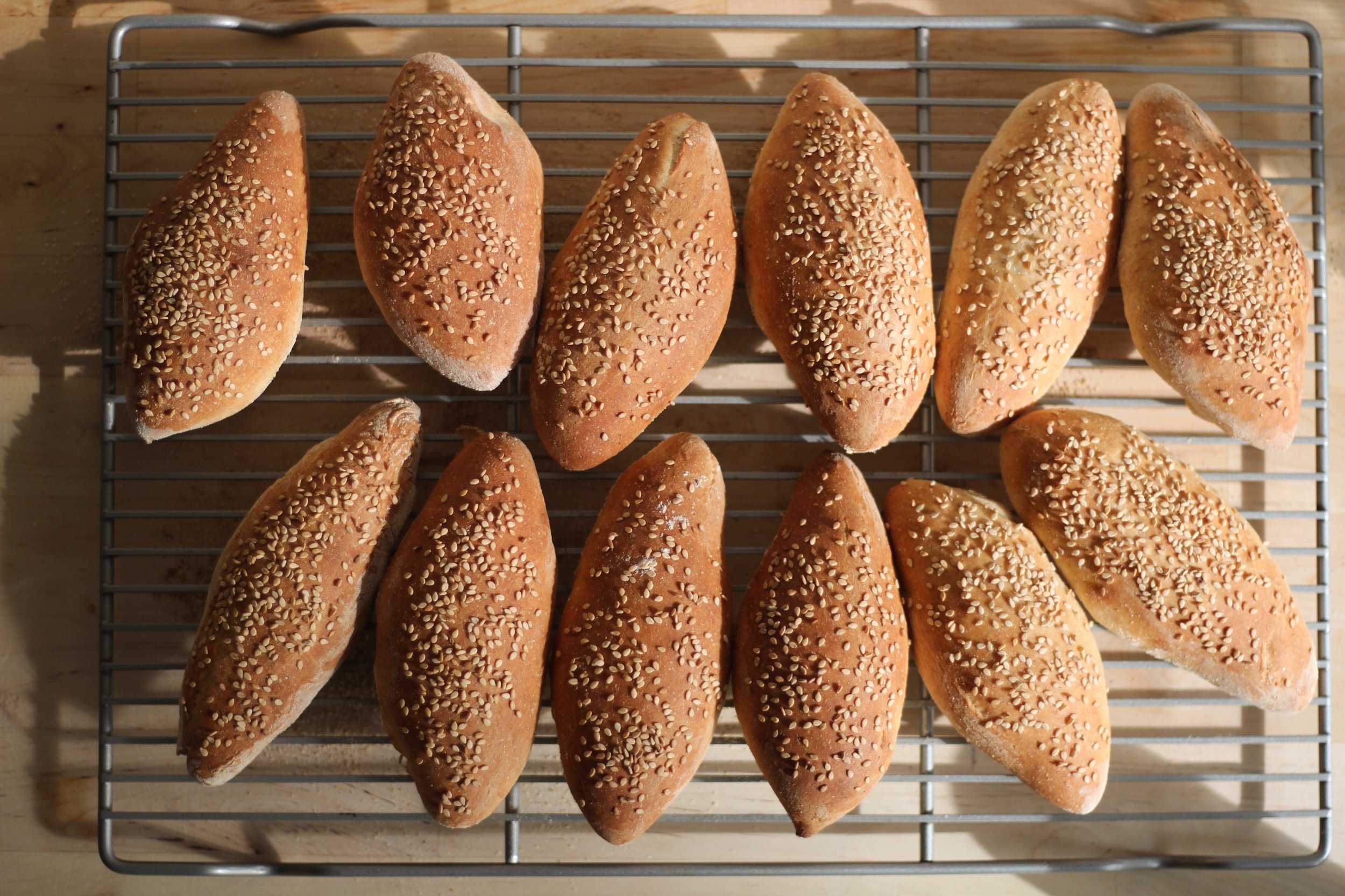 Medium
📜 Story
Medium
📜 Story
Ka'ak al-Quds
Jerusalem Sesame Bread
Breakfast, street snack
Comments (0)
Log in to leave a comment.
No comments yet. Be the first to share your thoughts!