
Makloubeh bil Zahra
مقلوبة بالزهرة (mah-KLOO-beh bill ZAH-rah)
Upside-Down Cauliflower and Rice
A dramatic one-pot dish of fried cauliflower, spiced rice, and tender lamb or chicken, cooked in layers then flipped upside down onto a platter to reveal a golden, caramelized crown. The moment of flipping is the culinary highlight of Palestinian family meals.
Nutrition & Info
Allergen Warnings
Equipment Needed
Instructions
-
1
Fry cauliflower florets in batches in hot oil until deeply golden brown on all sides. Drain on paper towels and season with salt.
-
2
Brown lamb or chicken pieces with sliced onion in the same pot. Add allspice, turmeric, cinnamon, cumin, salt, and pepper.
-
3
Layer the fried cauliflower tightly over the meat in the pot, pressing down firmly to create a compact, even layer.
-
4
Drain the soaked rice and spread it evenly over the cauliflower layer. Pour hot broth carefully down the side of the pot to avoid disturbing layers.
-
5
Bring to a boil, then reduce to very low heat. Cover tightly and cook for 25-30 minutes until rice is tender and liquid is absorbed.
-
6
Place a large platter over the pot and flip with confidence in one swift motion. Garnish with toasted nuts and parsley. Serve with yogurt.
Did You Know?
The flip is a family spectacle — everyone gathers to watch and cheer, and a perfectly formed makloubeh earns applause from the whole household.
Chef's Notes
Equipment Tips
- large heavy pot with flat lid
- deep skillet
- large serving platter
The Story Behind Makloubeh bil Zahra
Makloubeh, meaning "upside down," has been a centerpiece of Palestinian cooking for centuries. References to layered rice dishes flipped onto platters appear in medieval Arab cookbooks, but Palestinians have made it distinctly their own through the combination of fried cauliflower and warm spices. The dish holds deep emotional significance as the quintessential Friday family lunch, prepared by grandmothers and mothers while the household gathers. Each family has its preferred vegetable — cauliflower, eggplant, or potato — and the choice often sparks affectionate debate.
More Palestinian Dishes
 Medium
📜 Story
Medium
📜 Story
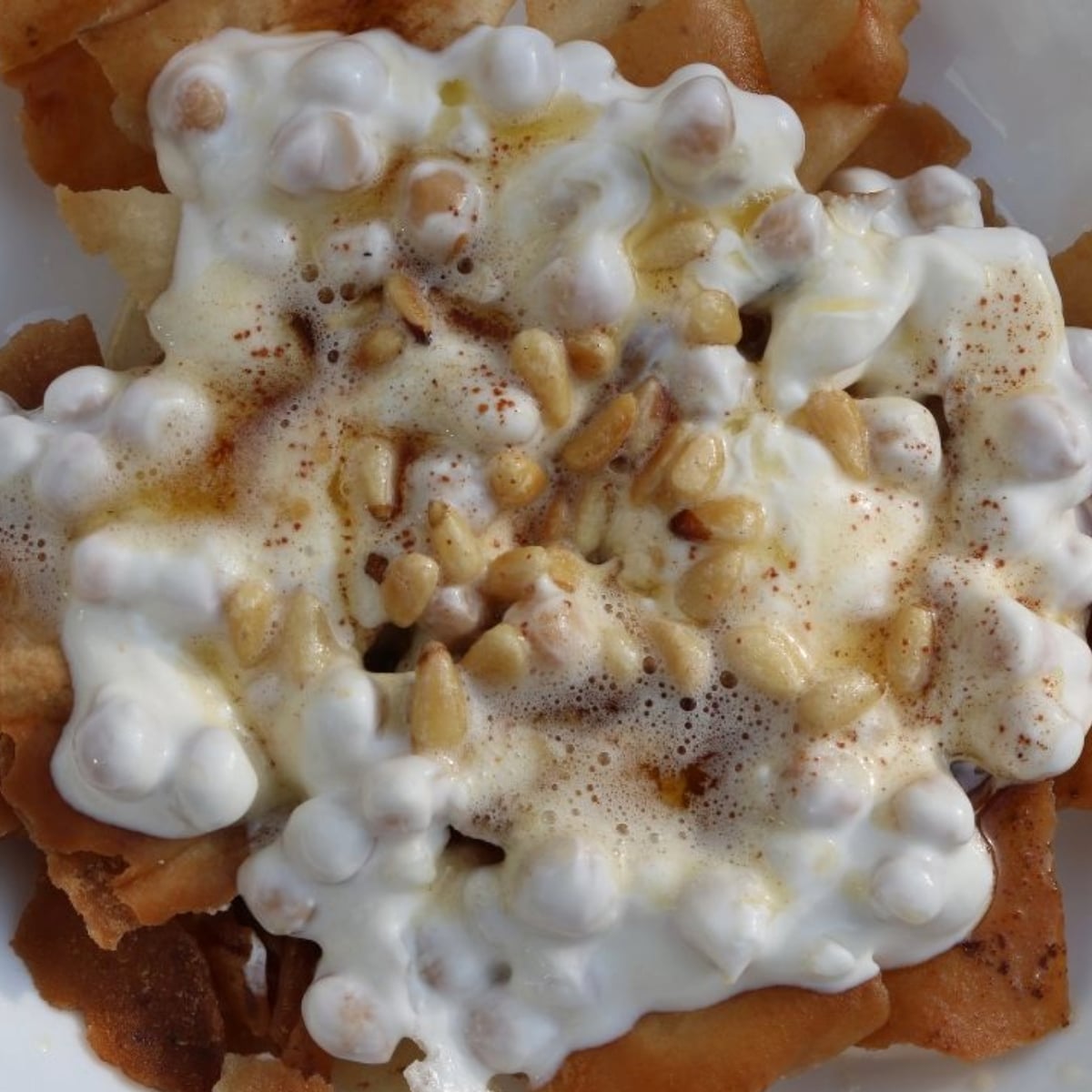
Fattet Hummus
Layered Chickpea and Bread Bowl
Festive breakfast, Eid morning Easy
📜 Story
Easy
📜 Story
Ful Mudammas
Slow-Cooked Fava Beans
Breakfast, daily stapleHummus
Chickpea and Tahini Dip
Breakfast, meze, any meal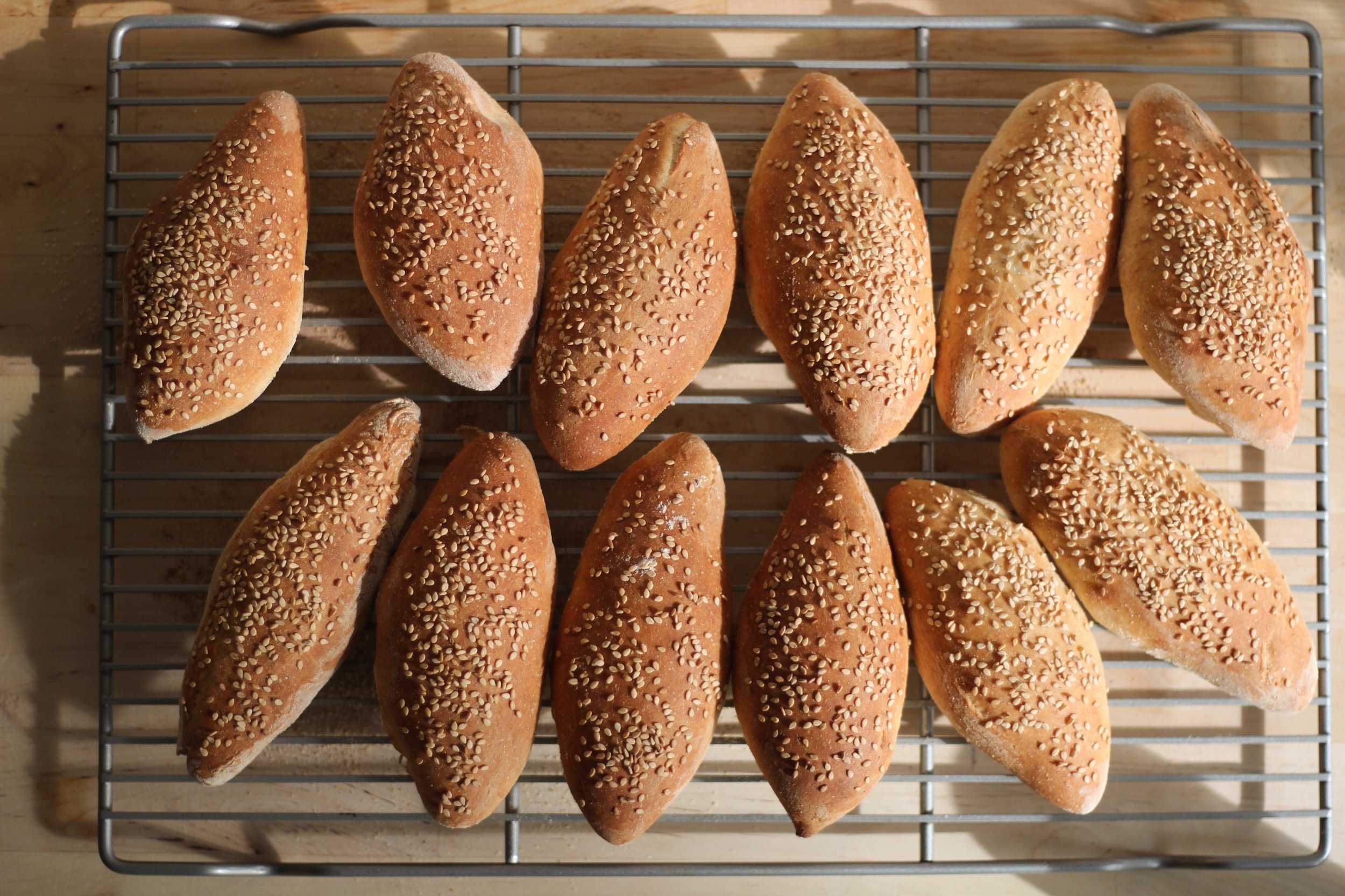 Medium
📜 Story
Medium
📜 Story
Ka'ak al-Quds
Jerusalem Sesame Bread
Breakfast, street snack
Comments (0)
Log in to leave a comment.
No comments yet. Be the first to share your thoughts!