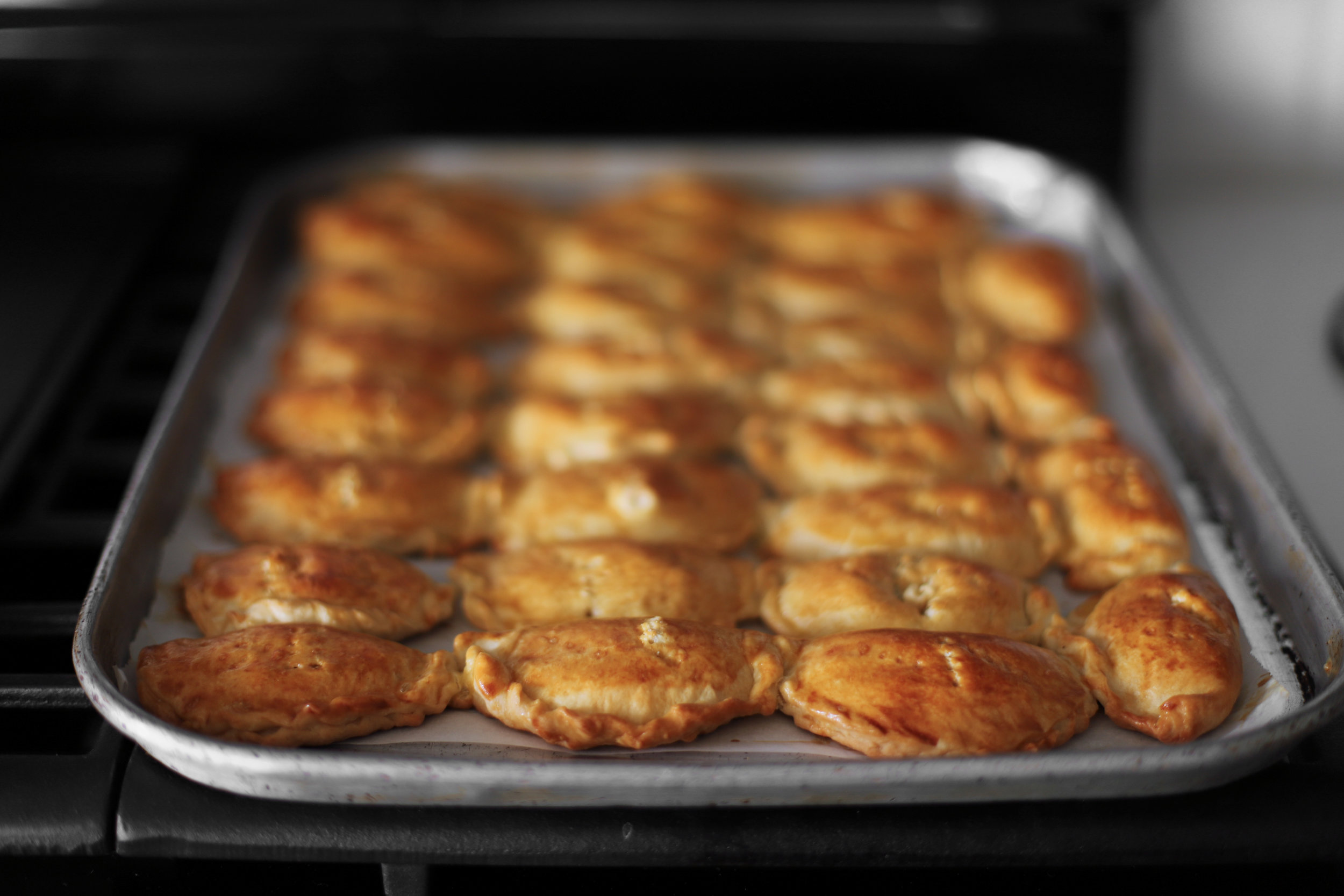
Buttery, crumbly semolina cookies filled with spiced date paste or walnuts, pressed into ornate wooden molds. These delicate cookies are the pride of Palestinian Eid celebrations.
Nutrition & Info
Allergen Warnings
Equipment Needed
Instructions
-
1
Mix both semolinas with melted butter, orange blossom water, and rose water. Cover and rest overnight or at least 4 hours.
-
2
Prepare date filling by warming date paste with butter, cinnamon, and nutmeg until pliable. Form into small balls.
-
3
Mix walnut filling ingredients together for the nut-filled version. Form into small balls.
-
4
Add milk to the semolina dough gradually, kneading gently until it holds together without cracking. Do not overwork.
-
5
Take a walnut-sized piece of dough, form a cup, place filling inside, seal, and press into a ma'amoul mold. Tap out gently.
-
6
Bake at 170C for 15-18 minutes until the cookies are pale golden on the bottom (they should not brown on top). Cool and dust with powdered sugar.
Did You Know?
Experienced Palestinian bakers can identify whether ma'amoul is filled with dates or walnuts by the mold pattern — different designs signal different fillings.
Chef's Notes
Equipment Tips
- mixing bowl
- ma'amoul mold or fork
- baking sheets
The Story Behind Ma'amoul
Ma'amoul cookies have been baked across the Levant for centuries, with some food historians tracing their origins to ancient Egyptian feast cakes. In Palestine, making ma'amoul is a beloved pre-Eid ritual that brings together women from across the extended family. Days before Eid al-Fitr, kitchens fill with the fragrance of rose water and orange blossom as hundreds of cookies are molded by hand using carved wooden presses called taabi. The different mold patterns serve a practical purpose, allowing hosts to identify date-filled from walnut-filled cookies at a glance when serving guests.
More Palestinian Dishes
 Medium
📜 Story
Medium
📜 Story
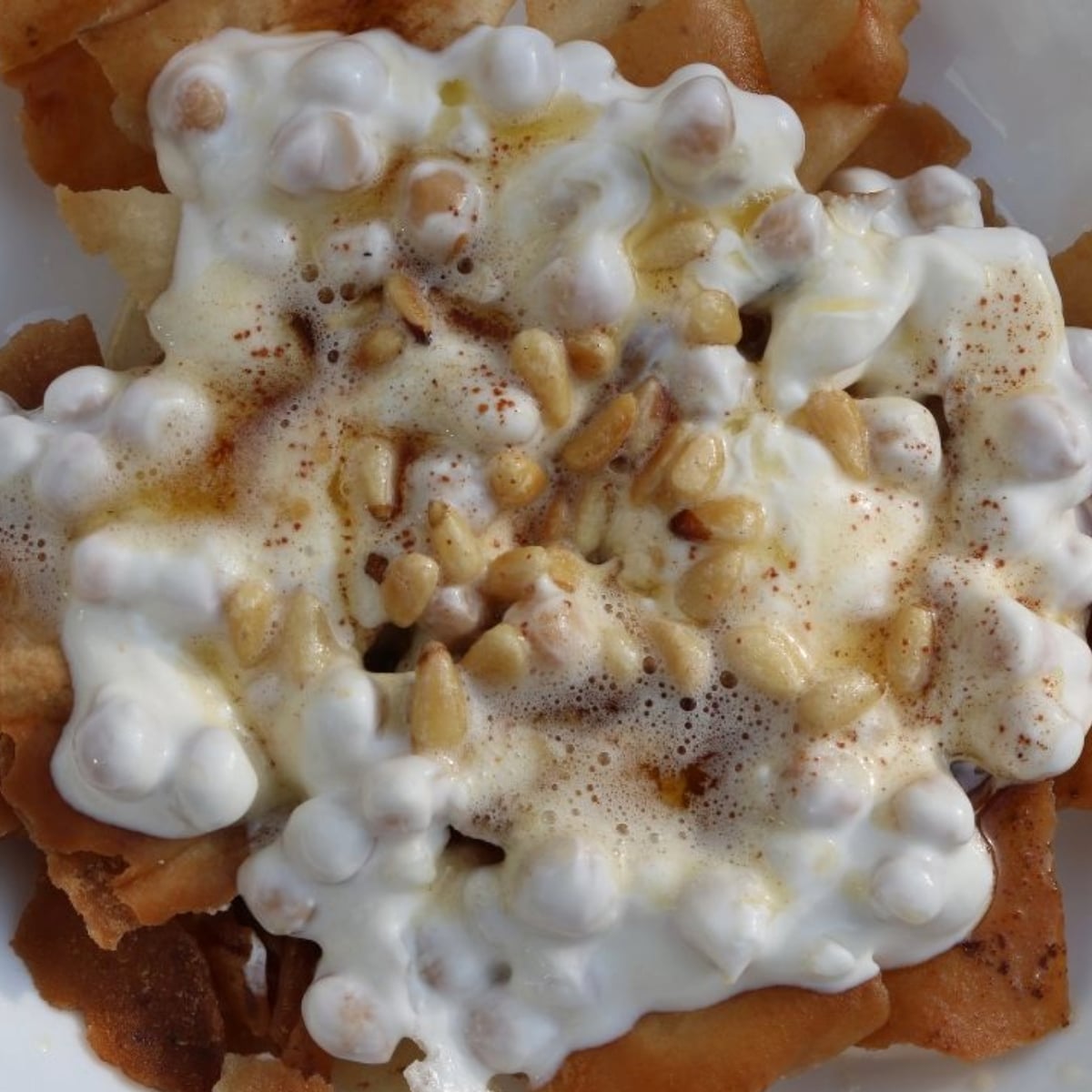
Fattet Hummus
Layered Chickpea and Bread Bowl
Festive breakfast, Eid morning Easy
📜 Story
Easy
📜 Story
Ful Mudammas
Slow-Cooked Fava Beans
Breakfast, daily stapleHummus
Chickpea and Tahini Dip
Breakfast, meze, any meal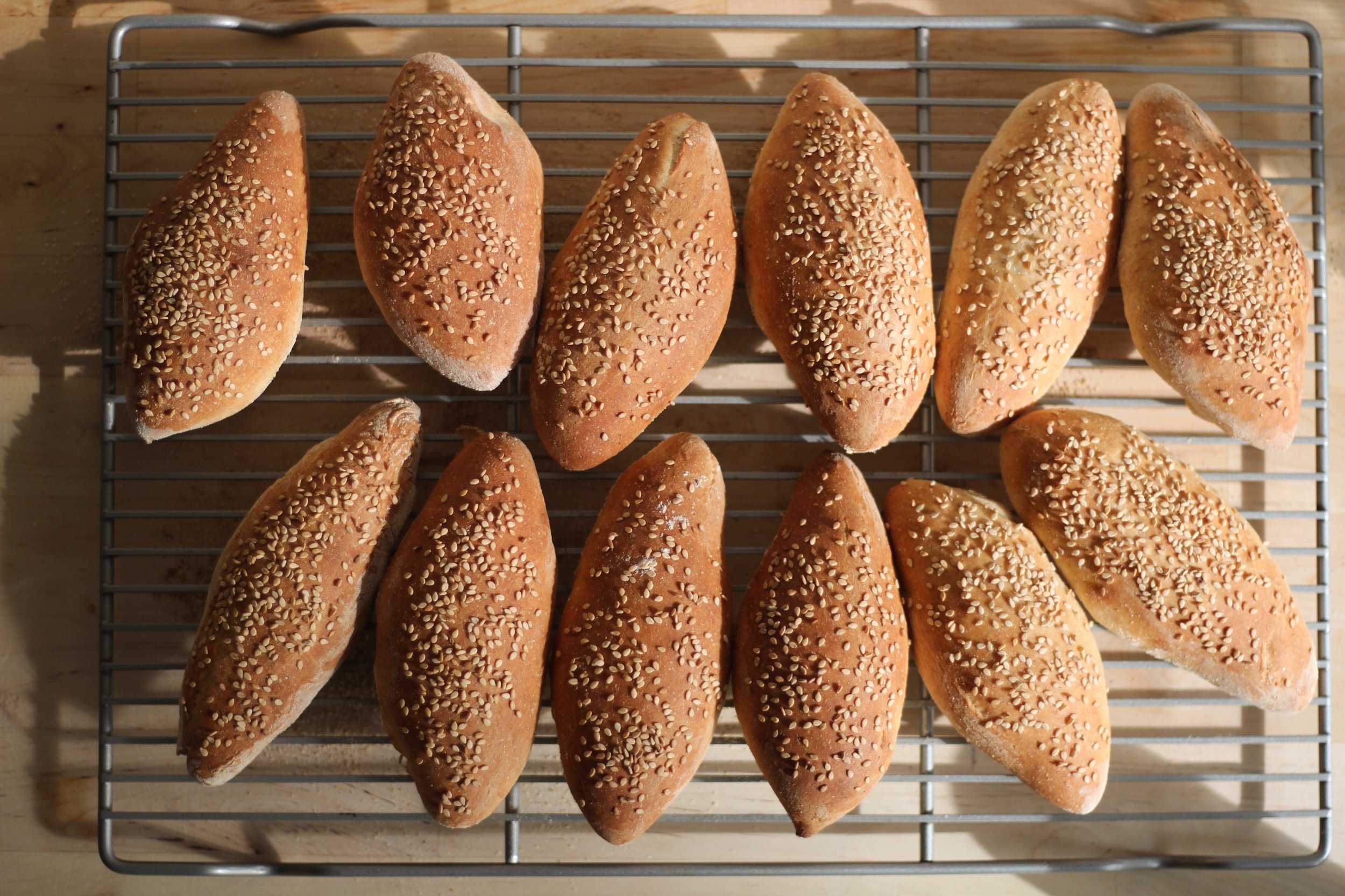 Medium
📜 Story
Medium
📜 Story
Ka'ak al-Quds
Jerusalem Sesame Bread
Breakfast, street snack
Comments (0)
Log in to leave a comment.
No comments yet. Be the first to share your thoughts!